

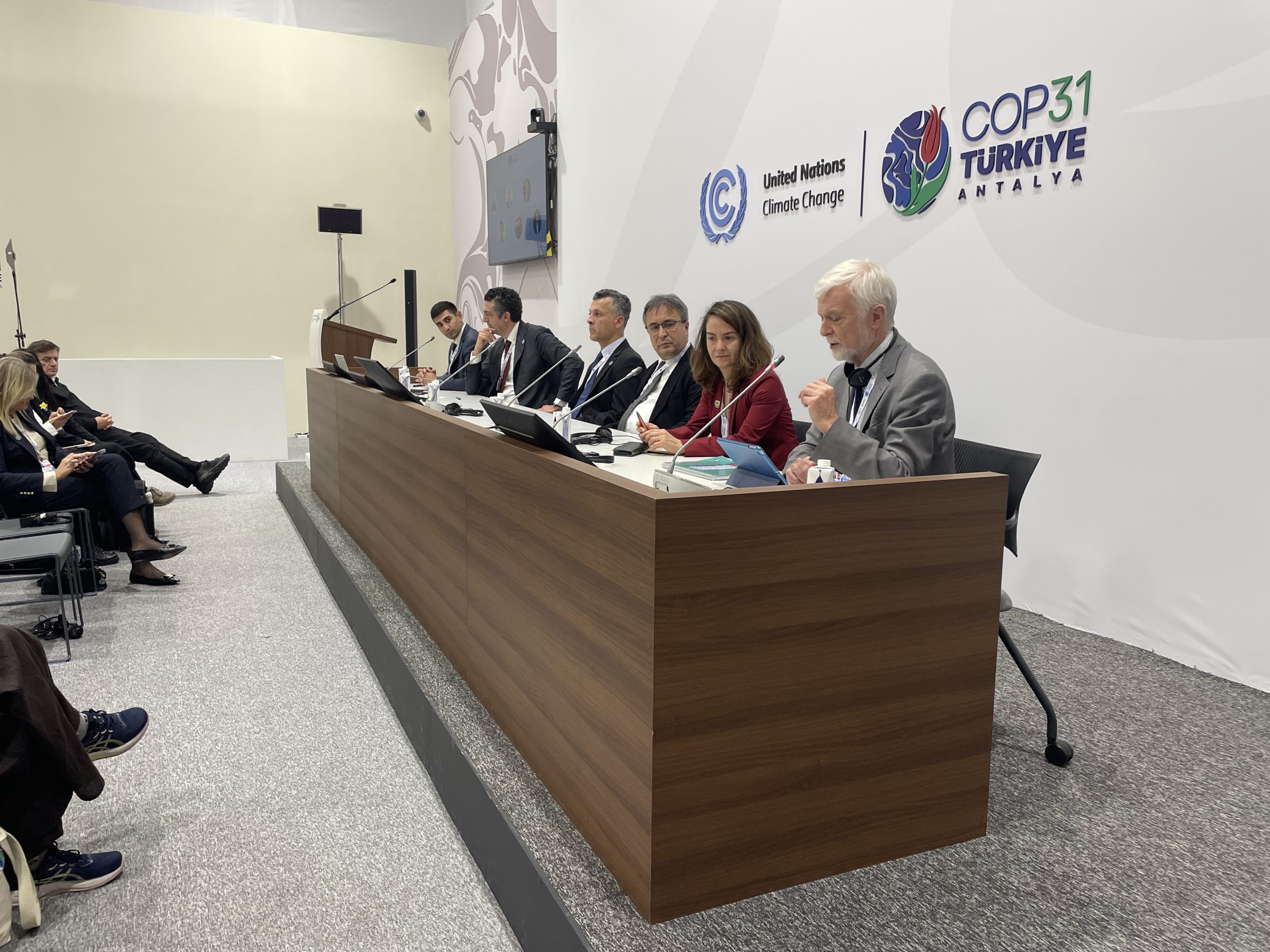
The world is on the verge of exceeding the 1.5°C global warming limit, with immediate and sustained emissions cuts needed to bring temperatures back down by the end of the century, Intergovernmental Panel on Climate Change (IPCC) Chair Jim Skea has warned.
Skea said the remaining global carbon budget was almost exhausted and the impacts of climate change were already causing widespread damage to communities, livelihoods and ecosystems.
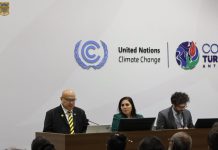
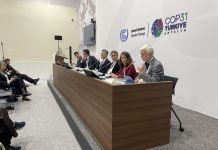
Addressing the COP31 Presidency event on Science, Solutions and Keeping 1.5°C Within Reach, he said climate decisions must be guided by scientific evidence.
“Climate action without science is like a ship without a rudder,” Skea said, reaffirming remarks he made during the opening session of COP31.
He said heat extremes, wildfires, intense storms, flooding and droughts were causing severe human suffering across all regions, with the most vulnerable communities bearing the greatest impacts.
The consequences would become more severe as global temperatures rise beyond 1.5°C, he warned.
Skea said higher temperatures would increase the risk of species loss, damage to ecosystems and the crossing of critical climate tipping points.
Declining agricultural and fisheries productivity could also affect food prices and availability, while rising sea levels would continue threatening coastal communities and small island nations.
He said sea-level rise was irreversible over centuries and potentially millennia, even if global temperatures were eventually reduced.
Citing the latest United Nations Environment Programme (UNEP) emissions gap report, Skea said current policies put the world on track for 2.8°C of warming by 2100.
Full implementation of current Nationally Determined Contributions (NDCs) could reduce this to 2.6°C, while meeting all declared net-zero targets could limit warming to 2.1°C.
However, limiting warming to 1.7°C to 1.8°C, followed by a return to 1.5°C by the end of the century, would require immediate, sustained and significantly stronger action beyond current commitments.
“This is what our scientists are now terming overshoot, peak and decline,” he said.
Skea cautioned that scientists still had important knowledge gaps about how the climate system would respond if global temperatures temporarily exceeded 1.5°C before declining.
He said the IPCC’s Seventh Assessment Report would examine these uncertainties across physical climate science, climate impacts and adaptation, and emissions reduction strategies.
One major question was how effectively removing carbon dioxide from the atmosphere would reverse global warming.
Skea said there was no certainty that the planet would follow the same climate pathway when cooling as it did when warming, because of complex interactions between the atmosphere, land and oceans.
He also warned that some climate impacts could not be reversed, even if temperatures eventually declined.
“If a species is lost, it will not come back just because global warming has been reversed,” he said.
The IPCC’s next assessment will also examine climate tipping points and the risks associated with exceeding temperature thresholds for extended periods.
On emissions reduction, Skea said the IPCC’s Sixth Assessment Report had established that rapid and deep cuts across all sectors were necessary to achieve net-zero carbon dioxide emissions by mid-century.
This would require moving away from fossil fuels towards renewable and other low- or zero-carbon energy sources, improving energy efficiency, reducing methane emissions and deploying carbon dioxide removal technologies.
He said carbon dioxide removal would be increasingly important in the Seventh Assessment Report because returning global temperatures to 1.5°C after a period of overshoot would require removing carbon dioxide from the atmosphere.
The assessment will examine the feasibility and scalability of removal technologies, as well as how long captured carbon can be safely stored.
Skea said IPCC assessments were not only intended to support international climate negotiations but also to guide governments and communities in implementing climate solutions.
He said the organisation worked with scientists, governments and UN climate constituencies to communicate research findings and support action at international, regional and national levels.
While the scientific assessments highlighted the scale of the climate challenge, Skea said they also provided governments with practical options to address it.
“Our reports also nurture hope – they equip us with a battery of strategies and solutions for tackling climate change,” he said.
“Science does show that we, collectively, do have the agency to keep 1.5°C within reach, if we so choose.”
Skea said the decisions taken by governments would determine whether the world could limit warming and eventually return to the 1.5°C threshold.