
An estimated US$1.18 billion was spent globally between 2019 and 2023 on organised efforts to oppose women’s rights, gender equality and inclusion, raising concerns over growing threats to women’s safety, economic opportunities and political participation, a new Commonwealth report has found.
The report, ‘The Pushback against Gender Equality and Women’s Empowerment in the Commonwealth: Dynamics and Implications’, warns that increasingly organised and well-funded opposition is undermining decades of progress in women’s rights across Commonwealth countries.
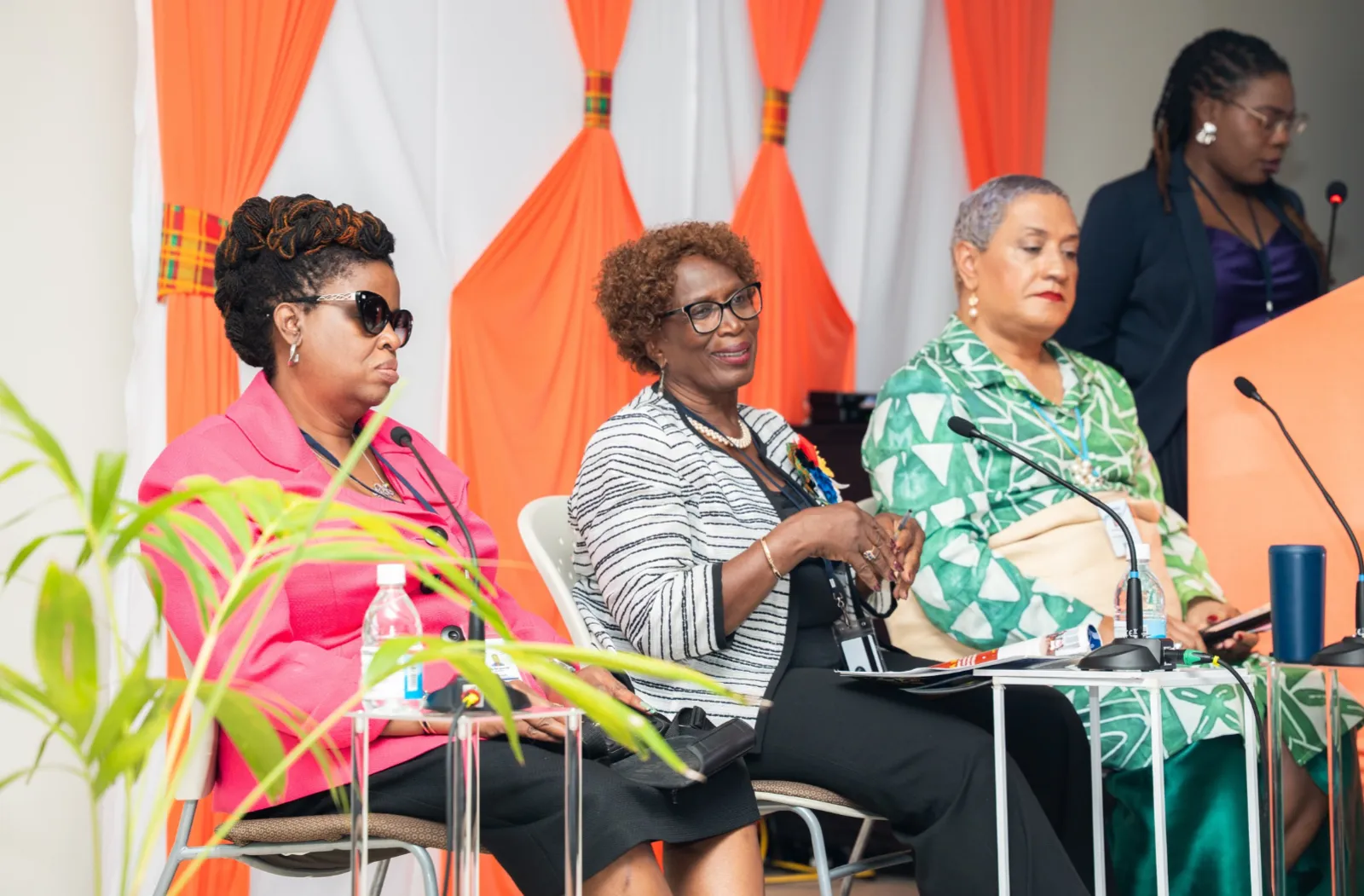
Launched at the Commonwealth Women’s Forum in Antigua and Barbuda on 4 November, on the sidelines of the 2026 Commonwealth Heads of Government Meeting (CHOGM), the report examines how opposition groups are influencing government policies, political decisions and public opinion.
It cites a 2025 study by the UN Research Institute for Social Development and UN Women which found that nearly a quarter of governments worldwide had reported an increase in coordinated opposition to gender equality.
Commonwealth Secretary-General Shirley Botchwey said progress on women’s rights could not be taken for granted.
“The report reminds us that progress on gender equality is never guaranteed. It can be won and it can be lost.
“Organised efforts are raising the barriers women and girls already face, putting their rights, safety and opportunities further out of reach. We know that when women and girls are pushed back, everyone loses. Families lose incomes. Communities are less able to withstand climate shocks. Democracies lose voices and trust,” Botchwey said.
She said governments must act to prevent further erosion of women’s rights and protect the gains already made.
“We cannot stand by and watch that happen. This report shows us where progress is being lost and what we must do to protect it. We must turn back the rising tide of discrimination and exclusion and build a future where every woman and girl can exercise her rights, live safely and fulfil her potential,” Botchwey said.
The report identifies five areas where opposition is affecting gender equality across the Commonwealth: women’s leadership, economic empowerment, ending violence against women and girls, gender and climate change, and accountability for gender equality.
It warns that women in leadership, particularly female parliamentarians, face increasing sexism, harassment and violence, including online abuse.
It also points to reduced funding for national institutions responsible for advancing women’s rights, limiting their ability to support gender equality programmes.
In the economic sector, the report says traditional expectations that women carry most unpaid domestic and care responsibilities continue to restrict their participation in the workforce.
It also highlights technology-facilitated violence against women and girls, inadequate legal protections, cuts to survivor support services and the continued problem of child marriage in remote communities.
The report raises concern over growing resistance to recognising the gendered impacts of climate change and declining political commitment to collecting data needed to measure progress on women’s rights.
It warns that failure to address these challenges will have consequences beyond gender equality, affecting economic growth, democratic governance, community stability and climate resilience.
To reverse the trend, the Commonwealth report calls on governments to strengthen laws protecting women and girls, including legislation addressing online violence and holding perpetrators accountable.
It recommends increased investment in girls’ secondary education, digital literacy and artificial intelligence skills to expand women’s access to employment and entrepreneurship.
Governments are also urged to improve access to childcare, strengthen workplace protections against discrimination and violence, and remove barriers preventing women from participating fully in the economy.
On climate change, the report calls for gender analysis to be integrated into national climate strategies, with women given a stronger role in decision-making and access to dedicated climate finance.
It also urges governments to provide sustainable funding for national gender equality institutions and strengthen the collection of reliable, comparable and gender-disaggregated data.
The report further calls for greater regional and Commonwealth cooperation to share evidence-based approaches and successful programmes.
It says protecting women’s rights and participation is essential not only to achieving gender equality but also to strengthening economic development, democratic institutions and the Commonwealth’s resilience.