

The United States says Latin American drug trafficking networks are increasingly using contacts and distributors in Pacific Island countries to move and sell illicit drugs, prompting a US$4 million initiative to improve intelligence sharing between the two regions.
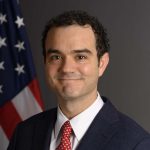
U.S Assistant Secretary of State for International Narcotics and Law Enforcement Affairs Cartwright Weiland said authorities were still assessing which criminal organisations were operating across the Pacific but had identified links between Latin American groups and networks in island countries.
“We’re not seeing, for example, chapters of cartels sort of being established on these islands.
“It’s more along the lines of the cartels have interlocutors, have distributors, have contacts on the islands that they are able to rely upon to move the drugs or to sell the drugs,” Weiland said during a virtual press briefing.
Weiland said the situation was evolving and authorities had yet to establish the full extent of the presence of specific cartels, including Mexico’s Sinaloa and Jalisco New Generation Cartel, as well as Ecuadorian criminal groups Los Lobos and Los Choneros.
He said the Pacific was confronting a relatively new threat that required closer cooperation between regional governments and international law enforcement agencies.
“This is such a new phenomenon that the islands have just never sort of seen before that we’re still — and by ‘we’ I mean both the United States and these nations — we’re still trying to wrap our heads around it,” he said.
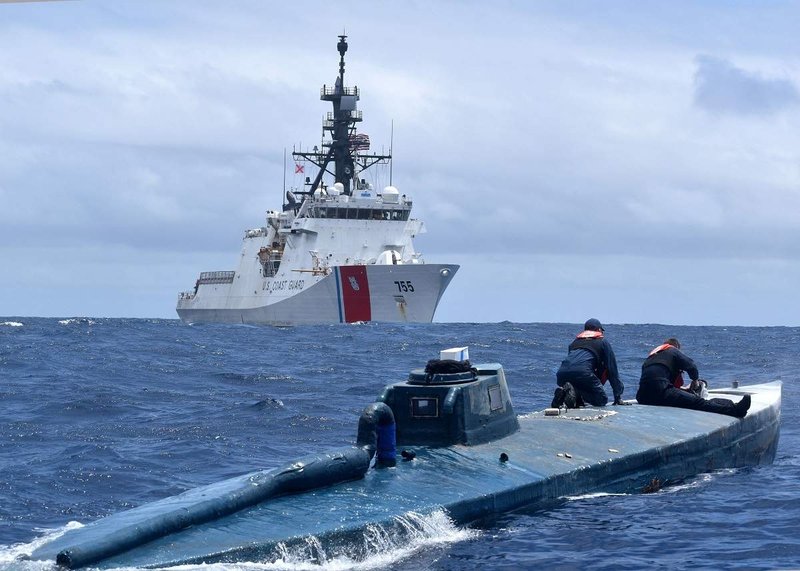
Weiland highlighted the growing capability of semi-submersible vessels to transport drugs over long distances across the Pacific, including from the western coast of South America to Pacific Island countries.
He welcomed Ecuador’s participation in the first U.S-Pacific Islands Conference of Police Ministers (COPMIN) in Los Angeles last week, saying it demonstrated awareness of the maritime routes being exploited by criminal groups.
The U.S is also pursuing a regional intelligence-sharing initiative known as RIPTIDE, which Weiland described as the first coordinated effort to connect security assistance and law enforcement work in the Western Hemisphere and the Pacific.
The United States is investing US$4 million in the initiative to help countries share intelligence on drug trafficking organisations and their operations across both regions.
“RIPTIDE is the first coordinated effort against criminal enterprises that span those two regions,” he said.
The initiative will allow participating countries to help shape how intelligence is shared so that information gathered in one region can be quickly passed to law enforcement counterparts in the other.
Weiland said the programme would seek to connect national information-sharing systems and work with international partners, including Interpol and potentially the World Customs Organisation.
He said drug trafficking and organised crime in the Pacific could no longer be treated separately from developments in Latin America, as criminal networks increasingly operated across both regions.
“What we’re increasingly finding is that what’s happening in Fiji is frequently a reflection of what’s happening in the Western Hemisphere countries, especially when it comes to drugs and crime,” Weiland said.
The initiative forms part of wider U.S efforts to strengthen Pacific law enforcement capabilities through intelligence sharing, training, equipment and cooperation with regional partners.
The U.S official said the effectiveness of these efforts would depend on countries working together to identify criminal networks, track their movements and disrupt the supply chains they use to transport illicit drugs across the Pacific.