Keeping global warming within the 1.5°C limit is a matter of survival for low-lying Pacific island nations such as the Marshall Islands, where climate change is already affecting homes, food, water and culturally important sites.
This is the message from Marshall Islands climate practitioner Jerolynn Myazoe as the Executive Committee of the Warsaw International Mechanism for Loss and Damage associated with Climate Change Impacts (WIM ExCom) meets in Majuro this week.
The WIM ExCom meeting, being held from 14–18 September, brings one of the key UN climate bodies dealing with loss and damage to a Pacific island nation on the frontline of climate change.
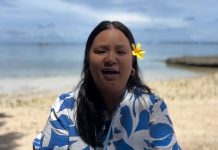
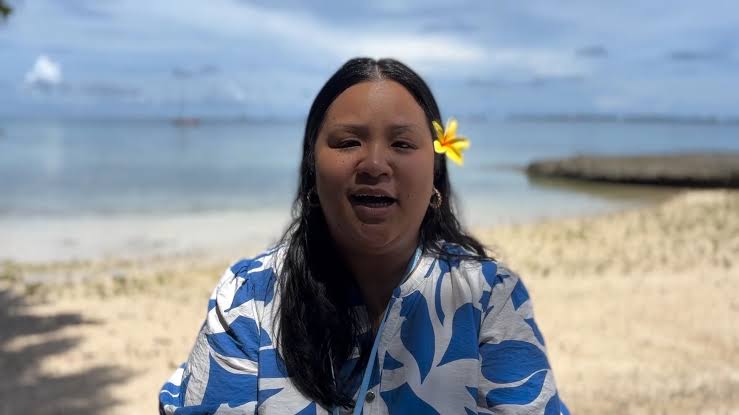
Myazoe, Project Manager for the Strengthening Manit (Heritage) for Addressing Loss and Damage project under the Marshall Islands Climate Change Directorate, said the impacts of a changing climate were already being experienced by communities across the country.
“For countries like the Marshall Islands, where our atolls are very low-lying, and our communities are very closely connected to the ocean, even just a small change in climate can have significant consequences.
“We’re already seeing some of these impacts. More importantly, we’re living it,” Myazoe said.
She said communities were facing land loss, changing fisheries, drought affecting crops and damage to culturally significant sites.
“Our communities are seeing it through land loss, changes in fisheries, droughts impacting our crops, and more importantly, our culturally significant sites,” Myazoe said.
For the Marshall Islands, she said the 1.5°C temperature limit was not simply a target contained in an international agreement.
“1.5 isn’t just a number or a target in an international agreement. It has very real implications on our homes, our food and water security, and our connection to land,” she said.
The WIM ExCom meeting in Majuro is taking place ahead of the Pre-COP31 meetings in Fiji and the Leaders event in Tuvalu in October, as well as COP31 later this year.
It provides Pacific countries an opportunity to put their experiences and priorities at the centre of global discussions on loss and damage.
The meeting is expected to provide further visibility to the Pacific’s call for climate action that responds to the impacts being experienced by communities and reflects their lived realities.
For the Marshall Islands and other low-lying island countries, Myazoe’s message is that limiting warming to 1.5°C remains directly linked to the future of their communities, culture and way of life.