

Solomon Islands has an opportunity to turn its economic recovery into more jobs, higher incomes, and better resilience to future shocks.
The World Bank Group’s first Solomon Islands Economic Update: Harnessing the New Roots of Growth finds that achieving this will require stronger management of public finance, greater investment in sectors like agriculture and fisheries, and new sources of growth beyond mining.
The report shows the economy has rebounded after contracting for three consecutive years between 2020 and 2022. However, the recovery is narrow, driven largely by mining, remittances, and public infrastructure spending. These drivers have generated limited employment, provided uneven benefits for communities, and left the economy vulnerable to future shocks.
“Solomon Islands is at an important turning point. The country is benefiting from new sources of growth, particularly mining, but long-term prosperity will depend on how effectively resource revenues are managed and invested.
Stronger public finances and greater investment in productive sectors can help create jobs, support local businesses, and improve living standards across the country,” said Bernard Harborne, World Bank Group Resident Representative for Solomon Islands and Vanuatu.
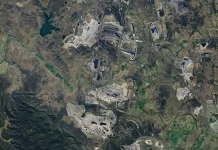
The Economic Update projects growth of 2.8 percent in 2026, driven mainly by mining and public investment. Mining accounted for more than half of Solomon Islands’ exports in 2025, up from just 4 percent in 2019. However, mining requires significant investment and creates relatively few jobs. Without strong governance and careful reinvestment, its benefits may not reach the wider economy.
The need to create more jobs for young people is particularly urgent. Around 9,000 young Solomon Islanders enter the labor force each year, while only about 2,100 formal jobs are created.
Fiscal pressures are also mounting. Cash reserves cover less than one month of spending; public debt reached 30 percent of GDP in 2025; and declining grants, higher fuel costs, and climate-related shocks are adding further strain. Cyclone Maila has reinforced the need to rebuild financial buffers and prepare for future crises.
To address these challenges, the report identifies two priorities: rebuilding public finances so the government can respond to shocks and broaden the economy to create more jobs and incomes. Key recommendations include strengthening mining governance and revenue collection, implementing planned tax reforms, investing in productive sectors, and expanding access to finance for businesses.
The report identifies significant opportunities for growth in higher-value agriculture, fisheries, tourism, renewable energy, and private sector development. Investments in infrastructure, access to finance, and a more predictable business environment could help unlock these sectors and create jobs across the country.
As Solomon Islands approaches the 50th anniversary of its independence, the report highlights a unique opportunity to build a more diverse, resilient, and job-rich economy. With the right reforms and investments, the country can convert its natural resources, youthful population, and untapped economic potential into more opportunities and better living standards for future generations.