The growing threat of illicit drugs across the Pacific is increasing pressure on Tonga’s law enforcement and exposing journalists to greater risks, speakers told the Media Association of Tonga’s (MAT) Press Club focused on “Drugs, Security, and Reporting”.
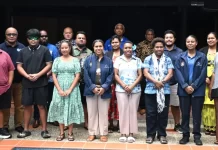
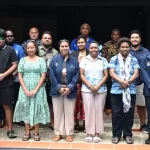
The last month event brought together law enforcement officials, media representatives, civil society and senior high school students to discuss the regional drug trade, Tonga’s response and the role of the media.
According to Australian Federal Police Senior Responsible Officer in Tonga, Tim Davis, 17 tonnes of illicit drugs have been seized across the Pacific since January this year, compared with 4.6 tonnes last year.
“Obviously it’s a concern across the Pacific. Everyone needs to acknowledge that and do their bit to try and prevent it for the future of our nations, our children, for the safety of our communities…”
Davis said Australia’s demand for illicit drugs has made it an attractive market for criminal cartels.
Quoting the Australian Federal Police Commissioner, he said: “it is our nation’s shame that Australians consume so many illicit drugs, and we pay such high prices for them”.
He said Tonga and neighbouring Pacific countries have become vulnerable because they lie along a convenient route for drugs destined for Australia.
The drug trade creates misery in communities, affects children and recruits young people to carry out criminal activities while cartel leaders distance themselves from the crimes, he said.
Davis said the Australian Federal Police has maintained a presence in Tonga for four years through its partnership with the Tonga Police.
Tonga Police Commissioner Geoff Turner said the country’s national anti-drugs strategy is built around three pillars: supply reduction, demand reduction and harm reduction.
He said communities across Tonga face growing threats from illicit drugs, transnational crime and youth vulnerability.
“While Tonga’s strong cultural and family systems provide resilience, emerging risks include Increased drug trafficking and supply through maritime and air routes; Growth in methamphetamine and cannabis use; Youth disengagement, which is linked to unemployment and migration patterns; The influence of overseas criminal networks and returnee dynamics,” Turner said.
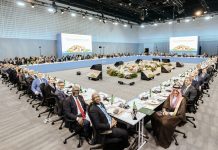
He said strategic guidelines adopted at the Transnational Serious and Organised Crime Summit focus on supply reduction, demand reduction and harm reduction.
Turner said Tonga Police, working with New Zealand Police, has developed the Te Pae Oranga programme.
“This programme looks at holding offenders to account, restore dignity for both the victim and offender, offers meaningful resolution, and addresses the underlying cause of the offending and is culturally appropriate to Tonga.”
He said Tonga’s culture is built around “the four F’s – Faith, Family, Friends, and Food.”
“Food is lovingly prepared and shared…nothing is more important than family and friends.”
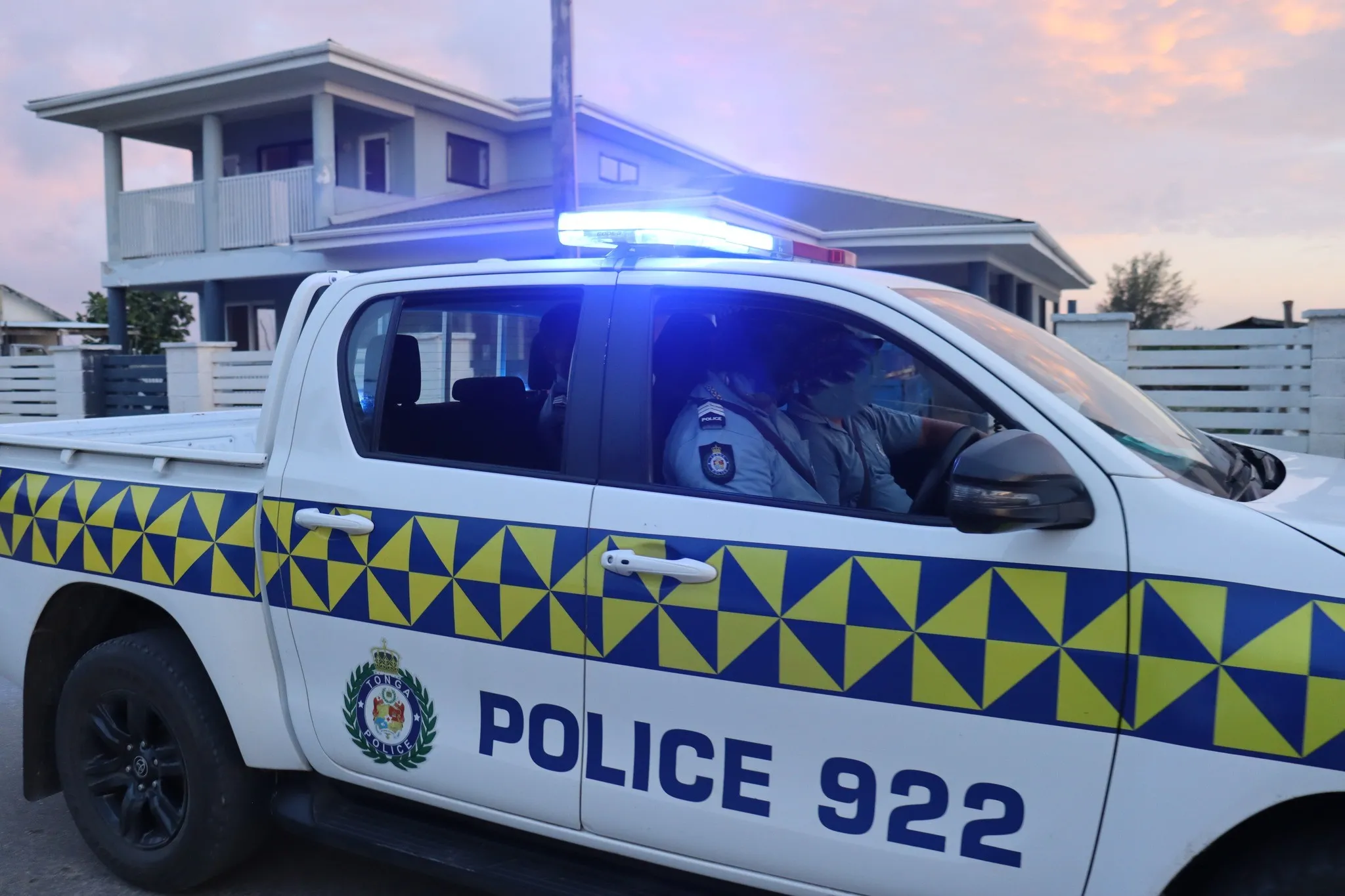
Turner said Tonga Police has strengthened its capabilities through new technology, expanded training, new legislation allowing the seizure of criminal assets, construction of a new drugs and intelligence facility, and the delivery of larger police maritime vessels later this year.
“When our police and communities stand together, Tonga stands stronger.”
Speaking on journalist safety, Kele’a Voice manager Teisa Pohiva Cokanasiga said the media’s watchdog role has become even more important as drug trafficking grows across the Pacific.
“In a time where illicit drug trade is prevalent in our world, in our pacific and in our country, the watchdog role of the media is even more critical in ensuring transparency, holding leaders accountable and helping bring justice to those involved in drug trade in the community and in government,” she said.
She said reporting on drug-related stories is becoming increasingly difficult, particularly when investigations involve influential figures.
“Even more difficult when those involved are leaders and people with power whether in the community, church, or government.”
Cokanasiga cited a recent incident involving a Kele’a journalist.
“A recent incident with a Kele’a journalist where she faced a life-threatening situation coming face to face where a man was armed with a gun, we have now only realised the magnitude of the media’s watchdog role in the fight against drugs,” she said.
She said Tonga’s media organisations are mostly small and privately owned, leaving journalists without the security resources available to larger media organisations.
“So, there’s the new challenge for us in the media here in Tonga. Ensuring the safety of our journalists so that they may continue to investigate and report on what the people of the nation need to know.”
Cokanasiga said Tonga Police and the Media Association of Tonga have started building a closer working relationship to support journalists.
She also called for Australia and New Zealand to provide greater assistance to Pacific media.
“I think it’s only fair for Australia and New Zealand to take the lead with assistance to media since the demand for illicit drugs from New Zealand and Australia is a big contributor to the drug trade crisis that’s ravaging our shores.”
“We need support so that the media can continue to do what they do best. Investigate stories and report,” she said.