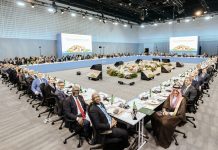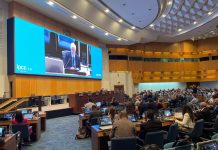

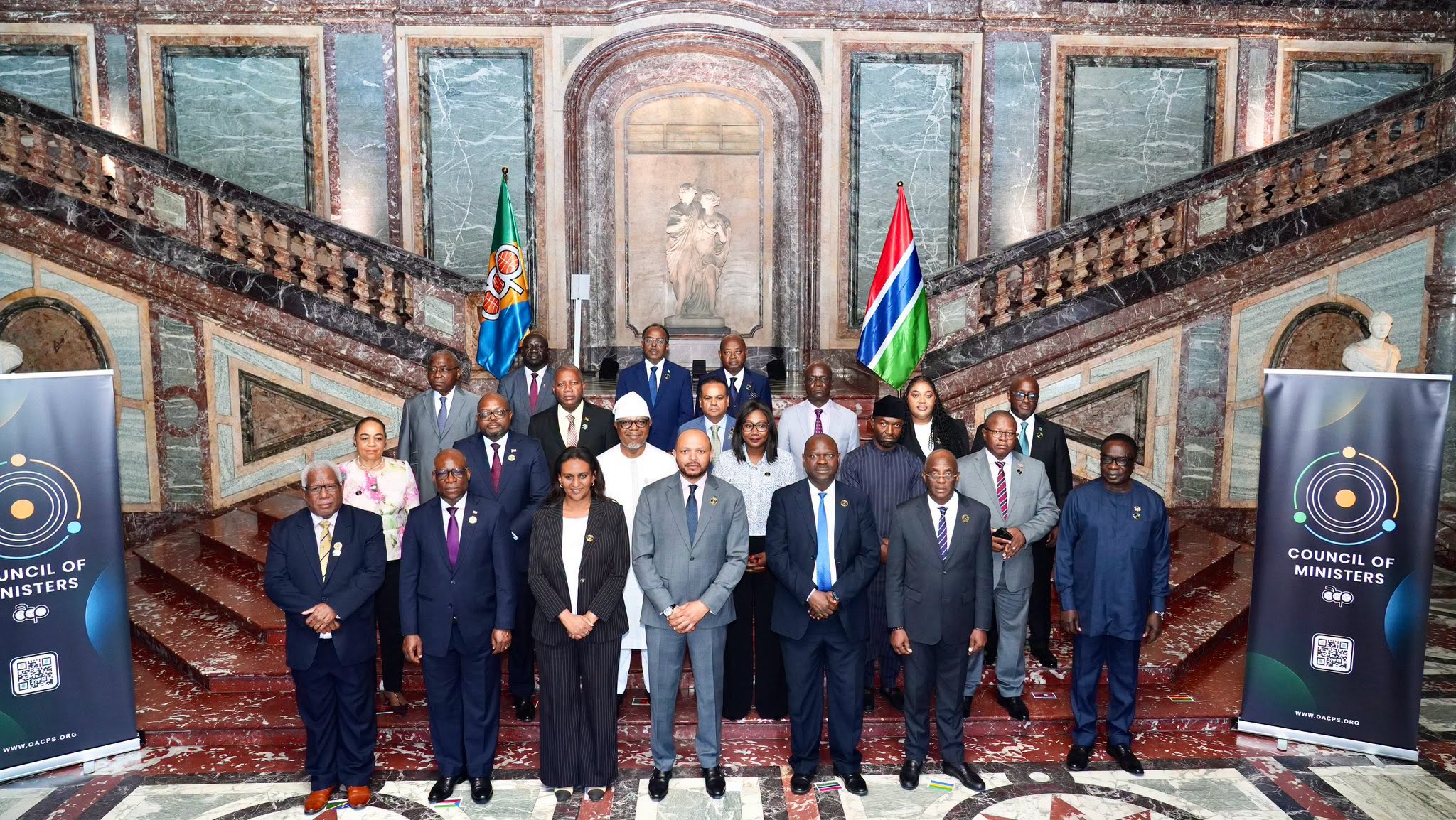
The 121st Session of the Organisation of African, Caribbean and Pacific States (OACPS) Council of Ministers has opened in Brussels, with leaders shifting attention to implementing decisions adopted at the Malabo Summit, including the Samoa Agreement and strengthening the organisation’s financial sustainability.
OACPS Secretary-General Moussa Saleh Batraki welcomed ministers and recalled that the Council meets after the successful conclusion of the 11th OACPS Summit of Heads of State and Government held in Malabo, Equatorial Guinea.
He noted that the organisation is entering the implementation phase of the decisions adopted by Heads of State and Government, with particular emphasis on institutional transformation, implementation of the Samoa Agreement and financial sustainability.
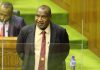
Council President and Equatorial Guinea’s Minister of Finance and Economic Affairs, Seedy K.M. Keita, reaffirmed the importance of maintaining the momentum generated by the Malabo Summit and called on Member States to continue providing the political leadership and ownership needed to implement the decisions of Heads of State and Government.
He also highlighted the importance of strengthening the organisation’s governance, financial sustainability and institutional effectiveness.
The Council also heard from Equatorial Guinea’s Minister of State for Foreign Affairs, International Cooperation and Diaspora, Simeón Oyono Esono Angue, representing the Presidency of the 11th OACPS Summit of Heads of State and Government.
He tasked the Council with ensuring that decisions adopted at the Malabo Summit are translated into measurable actions by identifying clear indicators, designated responsibilities, implementation timelines, required resources and means for monitoring and annual reporting.
United Nations Assistant Secretary-General for Economic Development, Navid Hanif, told ministers that the OACPS has consistently been a leading voice on financing for development and that its Member States helped place reform of the international financial architecture at the heart of the Sevilla Commitment.
He called on the OACPS to play a leading role in advancing implementation of the Sevilla Commitment by strengthening national financing systems, fostering regional solidarity and championing reform of the international financial architecture.
The Council also reviewed the report of the Committee of Ambassadors, which highlighted progress on reviewing the scale of assessed contributions, developing the Accreditation Manual for Ambassadors to the OACPS, preparations for implementing the Samoa Agreement and other institutional and governance reforms.
The meeting concluded with a side event hosted by the Kingdom of Eswatini, where Member States reviewed progress on financial commitments. Participants received updates on existing pledges, with several Member States announcing additional contributions while others reaffirmed commitments to honour outstanding pledges during 2026.