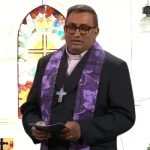


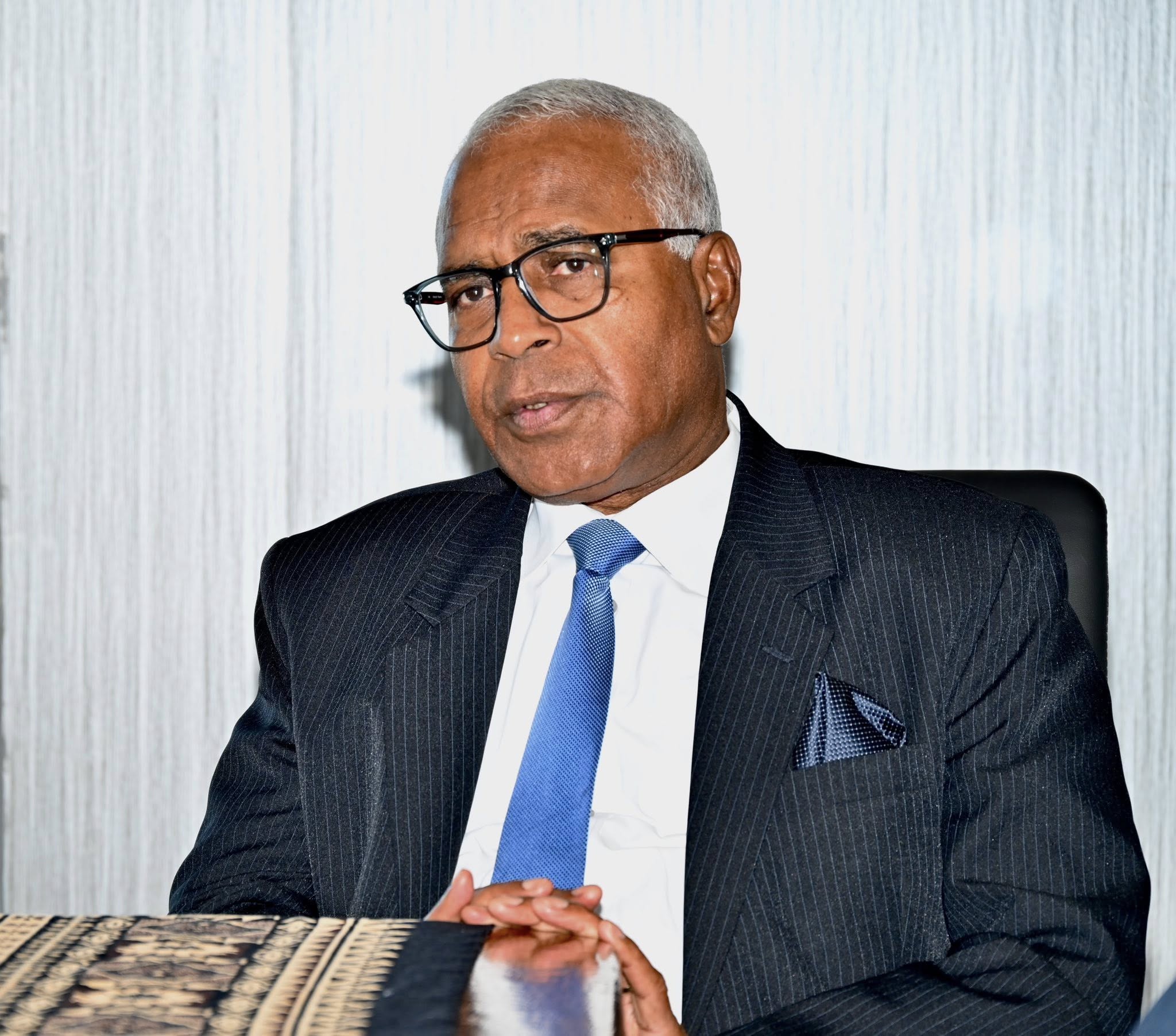
Fiji’s Permanent representative to the United Nations, Filipo Tarakinikini, has called for the country’s Constitution review process to be directly linked to the work of the Truth and Reconciliation Commission (TRC, arguing that constitutional reform alone will not end the cycle of political instability and coups.
Tarakinikini said Fiji must confront the underlying causes of its past constitutional crises, including communal fears, sectarian divisions and political grievances, if it hopes to build lasting stability.
“As Fiji embarks on its Constitution Review, there is understandable excitement and equally understandable impatience.
After decades of political instability, many Fijians want clean breaks, decisive reforms, and clear answers. That instinct is understandable. However, if we are serious about ending Fiji’s coup culture once and for all, we must resist the temptation of quick fixes,” he said in a statement posted on social media.
He argued that Fiji’s constitutional challenges cannot be solved through amendments alone.
“There is no single clause, amendment, or election that will, by itself, cure what ails us. Fiji’s recurring constitutional crises were not simply the work of ambitious men with guns.
“They were also the product of unresolved fears: communal anxieties that were real to those who felt them, sectarian grievances that were manipulated by those who stood to gain, and political fractures that no constitution has yet fully addressed.
Until we honestly reckon with those underlying conditions, we are merely repainting a cracked wall,” he emphasised.
Tarakinikini said one of the key issues facing the Constitution Review Commission will be the immunity clause, which protects individuals involved in actions against constitutional rule.
“One question the Review Commission must eventually confront is the immunity clause, the legal shield that has protected those who have acted against constitutional order,” he said.
While acknowledging calls for the clause’s removal, he cautioned against doing so without a broader framework.
“There are genuine voices calling for its removal, and I understand that call. Accountability matters. The rule of law demands it.”
“However, I hold an equally strong conviction: the immunity clause cannot be safely or legally removed in isolation. To do so without a proper framework would risk either impunity or vendetta, and neither serves Fiji. The only legitimate pathway is through a Truth and Reconciliation Commission (TRC),” he stressed.
Tarakinikini said the immunity clause and the TRC should be treated as connected processes.
“These two instruments, the removal of immunity and the TRC, are not alternatives. They are complementary. One cannot be undertaken responsibly without the other.”
The former military officer said individuals protected by the immunity clause should testify before a properly constituted TRC and explain not only their actions but also the circumstances and motivations behind them.
“Those who have relied upon the immunity clause must be given the opportunity, and must accept the responsibility, to come forward and testify before a properly constituted TRC.
That testimony must extend beyond the acts themselves and explore the reasons behind them: the communal fears that felt existential at the time, the sectarian pressures that were applied, and the political manipulations that became visible only in hindsight. This is not about excusing what was done. It is about understanding it deeply enough to ensure it is never repeated,” he said.
The top diplomat said truth-telling should form part of the constitutional foundation of the country.
“This kind of truth-telling is not merely therapeutic. It is constitutional. A document that reflects the genuine values, fears, aspirations, and hard-won unity of a people is fundamentally different from one imposed, amended, or adopted under the shadow of unresolved grievance. The constitution Fiji deserves must be shaped by the full and honest story of who we are, not a sanitised version that merely papers over old fractures,” he said.
Drawing on international examples, Tarakinikini said societies emerging from conflict have relied on truth-telling to rebuild trust.
“South Africa did not emerge from apartheid by pretending it had not happened. Rwanda did not begin rebuilding by burying what needed to be faced. Fiji’s path is its own, rooted in our vanua, our faith, and the unique complexity of our multi-ethnic society. Yet the principle remains universal: lasting peace requires truth before it can bear the weight of justice,” he explained.
He also called for changes to the mandates of both the TRC and the Constitution Review Commission to formally connect the two processes.
“This argument carries a practical implication that must be stated plainly. The Terms of Reference (TOR) of both the ongoing TRC and the Constitution Review Commission may need to be revisited. As currently constituted, neither body may have the explicit mandate to link these two processes in the way justice requires.”
“I am calling for that to change.”
“The TRC’s TOR should be broadened to encompass testimony from those sheltering under the immunity clause, including the full context of their actions. Likewise, the Constitution Review’s TOR should be amended to ensure that its findings are informed by, and responsive to, whatever truths emerge from that process
“These are not radical demands. They are the minimum conditions for a review process worthy of the name,” he said.
Tarakinikini said Fiji faces a rare opportunity to address long-standing divisions and create a constitutional framework grounded in truth and national unity.
“The Constitution Review is an opportunity of rare significance. Let us not squander it by treating it as a legal exercise alone. Let us have the courage to make it a national act of truth so that what emerges from it can genuinely hold us together,” he said.