

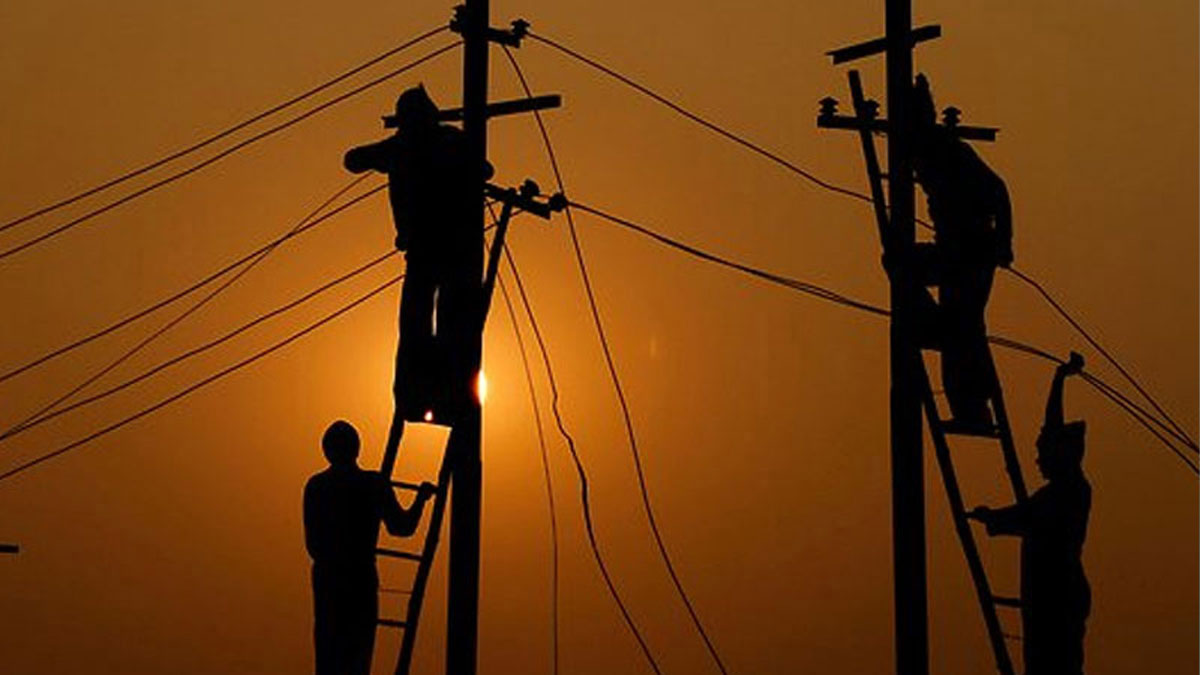
Energy Fiji Limited (EFL) has warned that Fiji could face controlled national power rationing from 01 June if urgent fuel cost recovery support is not secured, as the country’s electricity system comes under growing pressure from global fuel prices and low hydro generation.
In a media statement, EFL said unprecedented volatility in international fuel markets, driven by geopolitical tensions in the Middle East and disruptions to global fuel supply chains, had pushed fuel costs to exceptionally high levels.
The company said without immediate government support, it would be forced to introduce controlled load shedding and, in more severe circumstances, nationwide power rationing.
EFL revealed that current fuel prices are financially unsustainable under the existing tariff structure, with significant losses being recorded from thermal electricity generation.
The utility said industrial diesel oil generation costs reached 86.70 cents (US$0.43 cents) per kilowatt hour against an average selling tariff of 38.4 cents (US$0.19 cents) per kilowatt hour, resulting in a loss of 48.30 cents (US$0.24 cents) per unit generated.
Heavy fuel oil generation costs were recorded at 99.44 cents (US$0. 49 cents) per kilowatt hour, creating a loss of 62.4 cents (US$0.31 cents) per unit generated.
EFL said low water levels caused by the dry season had also reduced hydro generation capacity, forcing greater reliance on expensive thermal power generation.
The company warned that if rainfall conditions deteriorate further and fuel supply risks intensify, the Monasavu dam could fall to critical minimum operating levels later this year.
EFL said operational cashflows are expected to turn negative from July 2026, while liquidity pressures are likely to increase significantly in the second half of the year.
The company also warned that cash reserves are projected to deteriorate rapidly, and existing financing facilities may no longer be enough to sustain operations.
EFL confirmed it has approached the line ministry and the Minister for Finance seeking budget support for March, April and from May to December 2026.
The company also said a fuel surcharge application submitted to the Fijian Competition and Consumer Commission (FCCC) is still awaiting a determination and effective date under the Interim Tariff Adjustment Framework.
Under EFL’s approved Operational Response Framework:
* If full fuel recovery support for March and April 2026 is received by 22 May, normal operations will continue.
* If only partial support is received, controlled rotational load shedding will begin from 01 June.
* If no recovery support is received, controlled national power rationing will commence from 01 June following public notification.
EFL stressed that essential services including hospitals, water and sewerage systems, emergency services, national security infrastructure, airports, ports and key public services would continue to receive priority protection under all contingency measures.
The company said the current crisis was being driven mainly by extraordinary global fuel market conditions beyond Fiji’s control.
“These measures are not being considered lightly. The current global fuel crisis, combined with dry season hydrological pressures, has created extraordinary operating conditions for the national electricity system. Our responsibility is to act early, plan responsibly, and protect national electricity supply for all Fijians,” EFL stated.
EFL Chief Executive Officer Fiatiaki Gibson said the company would continue providing updates to the public as developments progress.