
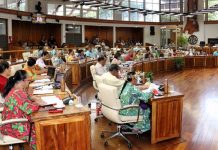
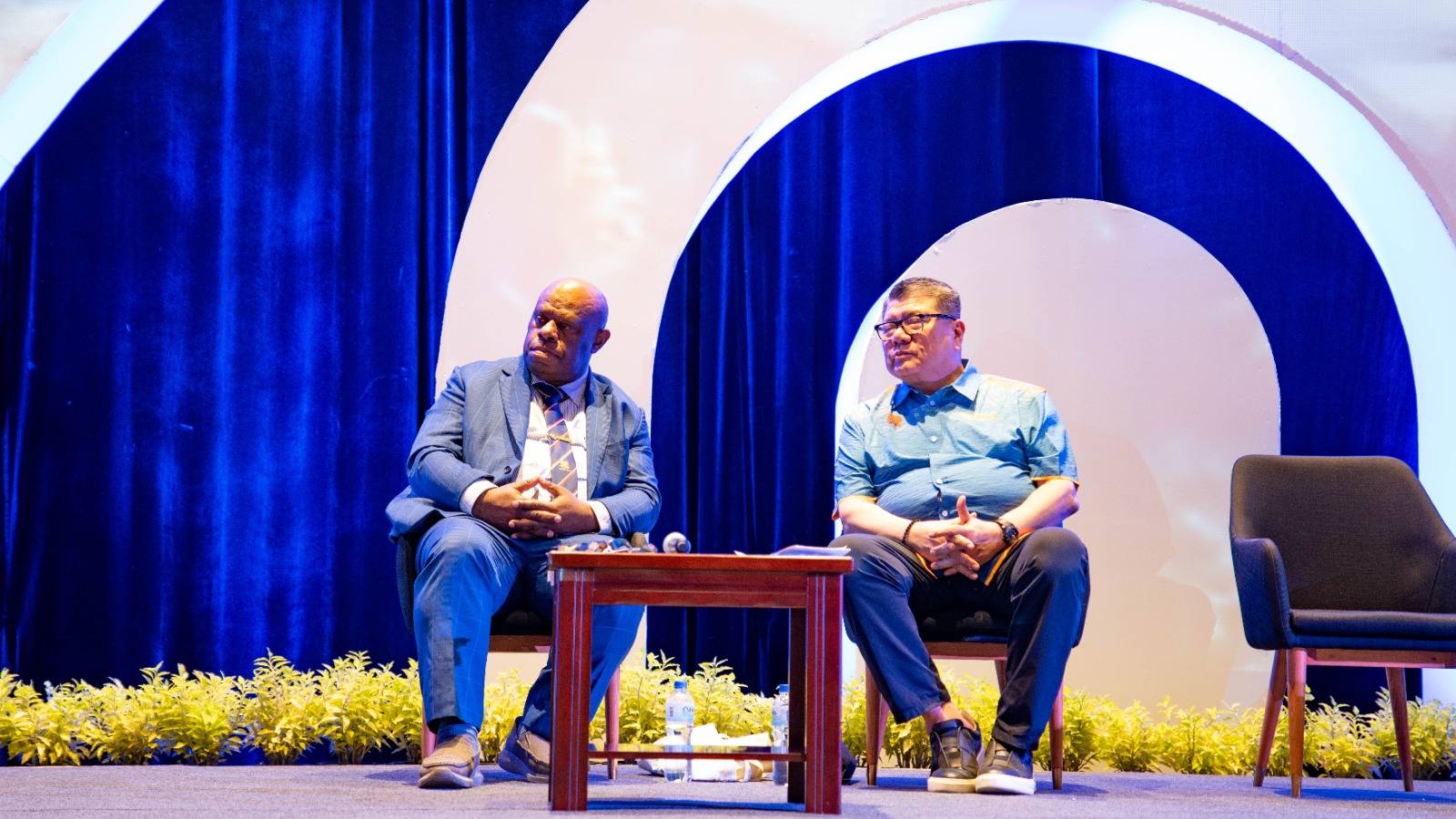
The third day of the Melanesian Ocean Summit commenced at the APEC Haus in Port Moresby, with discussions focusing on the future of marine conservation across the Pacific region.
Speaking during the summit, Papua New Guinea’s Minister for Conservation, Environment and Climate Change, Simo Kilepa highlighted the country’s commitment to expanding Marine Protected Areas (MPAs) to safeguard the nation’s rich marine biodiversity.
“Papua New Guinea aims to expand Marine Protected Areas,” Minister Kilepa said.
He stressed that the government is working to strengthen protections around marine ecosystems, including increasing security measures against illegal activities occurring within protected waters.
Minister Kilepa also acknowledged the importance of collaboration between government agencies and local communities in preserving marine resources.
“Marine protection cannot be protected by the government alone,” he stated.
He said Papua New Guinea aims to work closely with customary landowners and local communities to ensure the protection and conservation of marine biodiversity through the use of traditional knowledge and community-led stewardship.
Minister Kilepa also emphasised the shared responsibility Pacific nations have towards the ocean.
“The ocean connects all of us as Pacific people,” he said.
Papua New Guinea continues to reaffirm its commitment to marine conservation efforts and sustainable ocean management across the Pacific region.
Fisheries and Marine Resources Minister, Jelta Wong told the conference that ocean protection must strengthen, not undermine, livelihoods and economies.
He backed the global “30 by 30” target and the proposed Melanesian Ocean Corridor of Reserves, saying: “The ocean is our heritage, our identity, and our source of life.”
Wong has called on Melanesian nations to take stronger leadership in protecting the region’s oceans and marine resources.
Speaking on Marine Protected Areas (MPAs), Wong highlighted the growing environmental pressures facing Pacific waters and stressed the need for collective regional action.
Meanwhile, Papua New Guinea’s Minister for Tourism, Arts and Culture, Belden Namah, has promised K1 million (US$229,000) to help protect traditional knowledge and culture.
He said the money will go into a new National Cultural Research Fund, which will support studies on navigation, fishing practices, and another indigenous knowledge.