
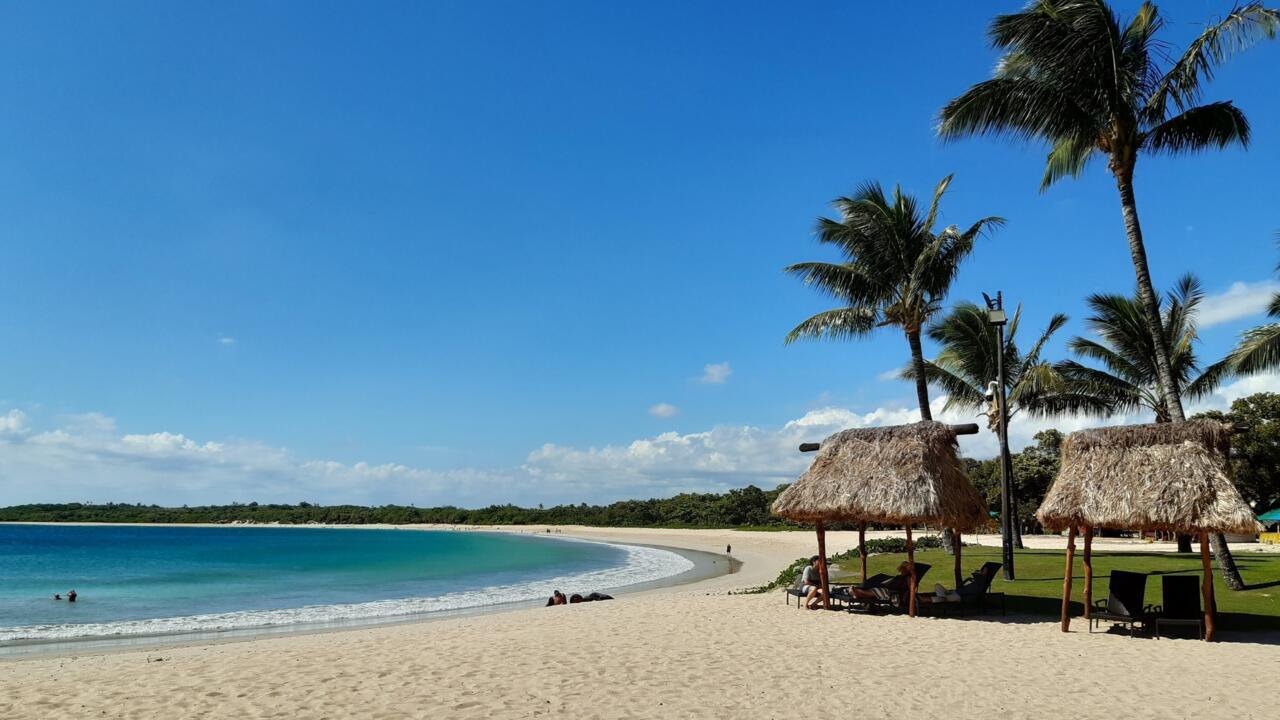
An Australian billionaire’s plan to burn rubbish for energy in Fiji amounts to “waste colonialism” and risks spoiling a “beach paradise”, villagers and the Pacific nation’s UN Ambassador said.
Traditional landowner Inoke Tora boarded a bus to the capital Suva on Tuesday with a petition from villagers opposing the US$630 million waste-to-energy incinerator, which is forecast to consume 900,000 tonnes of non-recyclable rubbish each year.
The fashion entrepreneur behind the Paris-born Kookai label and an Australian billionaire who made his fortune in rubbish disposal want to build a port and waste incinerator within 15 kilometres (nine miles) of Fiji’s tourism gateway Nadi.
The Australian-based duo of Ian Malouf and Rob Cromb have told Fiji’s government the project could meet 40 percent of the small nation’s electricity needs, cutting its reliance on diesel.
However, an environmental impact statement lodged by their company TNG shows it would also raise Fiji’s national emissions by 25 percent.
Residents say the emissions will spoil Fiji’s eco-tourism reputation and pose a safety risk with hotels and schools nearby.
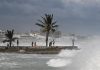
“There are hundreds of people living in villages in this place and they fish each day, eat fresh crabs. They call that beach paradise,” Tora told AFP by telephone on his way to petition Fiji’s prime minister.
“The government should stop this.”
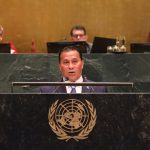
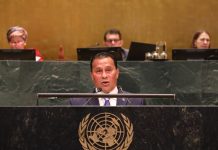
Fiji’s ambassador to the United Nations, Filipo Tarakinikini, wrote on social media on Monday that the Vuda coast north of Nadi “must not become the Pacific’s ashtray”.
Ash residue and dioxins would contaminate the food chain, Tarakinikini warned, likening the plan to send up to 700,000 tonnes of non-recyclable rubbish to Fiji each year to “waste colonialism”.
“Dial-a-Dump” founder Malouf spent seven years trying to get a similar waste-to-energy incinerator approved in Sydney before it was rejected as a risk to human health in 2018, planning and court documents show.
Stephen Bali, then mayor of Blacktown in Sydney, led opposition to the project in his suburb and urged Fiji to seek independent scientific data.
“Gathering up rubbish from Australia, driving it in a diesel truck to port, putting it on a diesel ship to Fiji to be offloaded — it would be interesting to look at those emissions,” Bali, now a lawmaker in the New South Wales state parliament, told AFP.
“We need to deal with our own waste,” he said.
Malouf did not respond to AFP’s request for comment.