
Tropical Cyclone Vaianu and the havoc caused is the backdrop for a Pacific dialogue on climate change science that opens Wednesday.
Science from the Intergovernmental Panel on Climate Change (IPCC) tells us that it is likely that the global proportion of Category 3 – 5 tropical cyclone instances have increased over the past four decades.
The IPCC also states that the proportion of intense Tropical Cyclones and their average peak wind speeds will increase on the global scale with increasing global warming. This scientifically verified information is amongst a full range released through a series of IPCC reports now in its seventh cycle with the first cycle released in 1990.
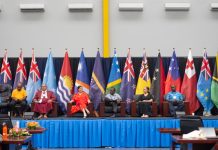
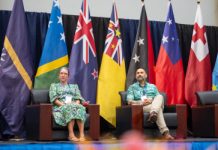
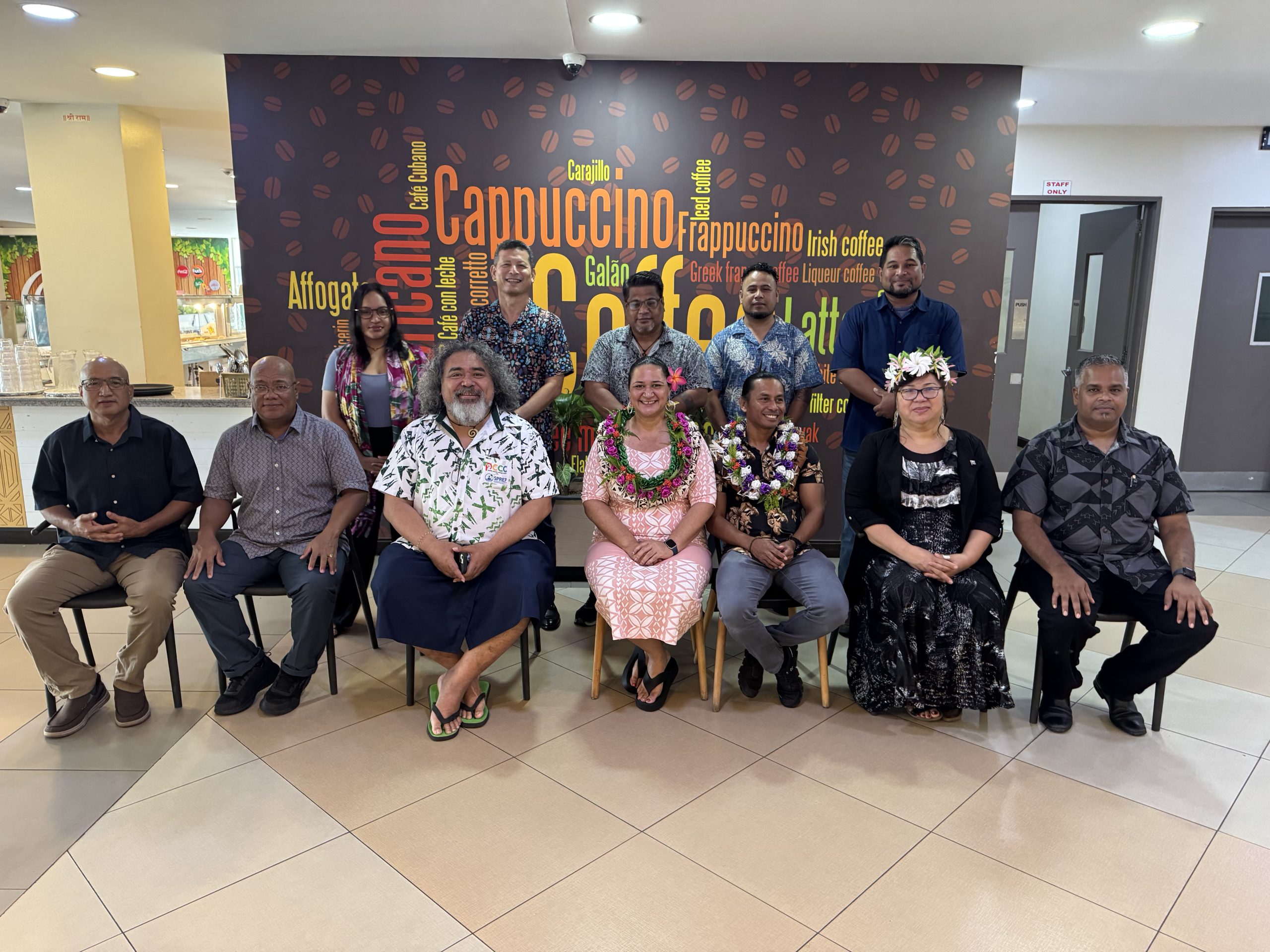
Across the next three days in Nadi, Fiji potential contributing authors from the Micronesia sub-group of Federated States of Micronesia, Kiribati, Palau, Nauru, and the Marshall Islands are meeting to strengthen and amplify our Pacific island voices in these scientific reports.
“The extreme weather events as a result of climate change and its implications we have witnessed in the beginning of this meeting here in Fiji is a continuous reminder of the importance of Pacific voices in the IPCC Reports,” said Xavier Matsutaro of Palau.
“We must highlight how critical it is to have access to accurate and up to date climate science information to enhance our preparedness and resilience.”
The meeting in Fiji this week will see delegates exchange information on national initiatives in climate change knowledge brokerage, challenges and priorities to help find a way to strengthen engagement of Micronesian countries with the IPCC process.
“By strengthening our understanding of IPCC processes, we can enhance our ability to contribute credible, regionally relevant scientific data, modelling and insights that reflect the realities faced by our communities,” said Yvette Kerslake, the Technical Adviser, Science to Services of the Pacific Climate Change Centre (PCCC) at the Secretariat of the Pacific Regional Environmental Programme (SPREP).
“This is particularly important as we prepare for future IPCC assessment cycles and continue to advocate for urgent climate action.”
Created in 1998 by the World Meteorological Organisation and the United Nations Environment Programme, the objective of the IPCC is to provide governments at all levels with scientific information that they can use to develop climate policies.
The IPCC reports are a key input into international climate change negotiations for which thousands of people worldwide contribute to this work.
“The IPCC is the scientific backbone of the UNFCCC, recognised as the source of best available science to inform international climate action. The IPCC’s Assessment Report findings were a key reason why the international community agreed the Paris Agreement temperature goal, and made historic commitments to accelerate climate ambition, such as transitioning away from fossil fuels” said Ms Kelsey Gray, Assistant Director at the Australian Government Department of Climate Change, Energy, Environment, and Water.
For the Assessment Reports experts volunteer their time as IPCC authors to access the thousands of scientific papers published each year to provide a comprehensive summary. A key part of the process is the review by experts and governments to ensure an objective and complete assessment.
It is hoped that more Pacific islands-based authors will have their work contribute to the IPCC Reports. Through this meeting pathways will be open to Micronesia climate change researchers and institutions to get involved in the IPCC reports and processes.
“Observing the intensifying of two tropical cyclones today in our region and looking at the impacts, this is why the science is very important. It ground truths our plans of actions, make inform decisions and reinforces our commitment in building resilience,” said Matsutaro.
The meeting also provided an update on 64th IPCC session in Thailand at the end of March.