


Climate change is a key contributor to food, nutrition and livelihood insecurities across the Pacific Island countries and territories.
Agricultural production systems across Samoa, Tonga and Vanuatu are under increasing pressure as impacts of climate change – rising temperatures, erratic rainfall and stronger cyclones – continue to disrupt crop production, soil health and water resources.
In many Pacific communities, around 60 percent of households rely on locally grown food. As climate impacts intensify, agricultural production is declining, forcing countries to rely more heavily on imported foods.
At the same time, farmers are resorting to unsustainable farming practices such as deforestation, monocropping and the use of chemical pesticides and fertilisers to sustain production to meet market demand. These practices degrade soil health, reduce biodiversity and negatively impact overall ecosystem health making farms even more vulnerable to climate shocks
In response to these urgent challenges, Samoa, Tonga and Vanuatu have secured USD$42.06 million in grant financing from the Green Climate Fund (GCF) to transform agricultural production systems and strengthen long-term food, nutrition and livelihood security.
The five-year regional programme, Establishing Climate Resilient and Regenerative Agricultural systems in Tonga, Vanuatu and Samoa, to be delivered by the Pacific Community (SPC) in partnership with national governments, will support countries to move away from practices that undermine soil and ecosystem health and transition towards Climate Resilient and Regenerative Agriculture (CRRA) practices.
Countries have identified priority crops where production system change can have transformational impacts on resilience. These include staple root crops and vegetables that underpin household nutrition, as well as high-value commercial crops such as kava, which are essential for income and export revenue.
Many of these crops are increasingly vulnerable to droughts, cyclones and soil degradation and regenerative agriculture practices will support the sustainable production of these crops by restoring soil fertility, improving water retention, diversifying cropping systems and rebuilding ecosystem services essential for long-term productivity.
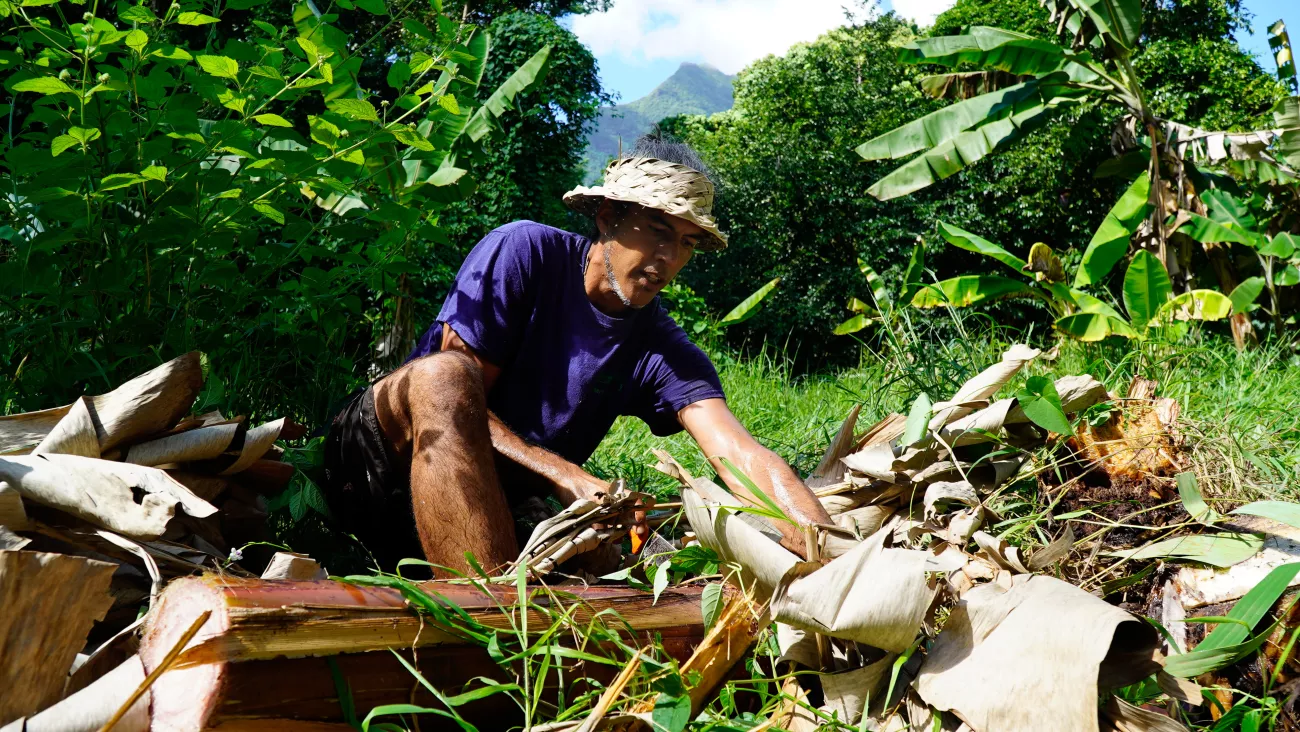
Through demonstration farms, farmer-to-farmer learning, tailored technical support and targeted investment in farm-level technologies, the programme will work directly with farming communities to show how CRRA can be adapted to specific farms, crops and landscapes.
The programme will also address the barriers that prevent farmers from adopting climate-resilience practices, including gaps in extension services, limited availability of locally relevant climate information, constraints in market systems, and policies that may unintentionally incentivise unsustainable farming. Strengthening these systems will be essential to scaling up CRRA nationwide and ensuring long-term sustainability beyond the programme’s lifespan.
Director of SPC’s Land Resources Division, Karen Mapusua, said the investment responds directly to growing risks to Pacific food and agricultural production systems.
“These systems across the Pacific are under increasing strain from climate impacts and external shocks. This investment enables countries to strengthen local food and agriculture production while safeguarding the incomes and well-being of the thousands of farming families who depend on agriculture. By transitioning to climate‑resilient and regenerative practices, we can protect our food systems, restore our soils, reduce use of fossil fuel-based inputs and ensure that Pacific farmers can continue to thrive.”
Over 50,000 people are anticipated to benefit directly through improved food and nutrition security and more resilient and secure livelihoods, with wider impacts across rural communities. The programme is also expected to improve the management of more than 20,000 hectares of agricultural land, strengthening soil health and ecosystem resilience.
Director of the GCF Department of the Asia and Pacific region, Hemant Mandal, said the investment reflects the urgency of supporting countries already experiencing climate impacts.
“The Establishing Climate Resilient, Regenerative Agricultural Systems programme will empower farmers in Tonga, Vanuatu, and Samoa to adopt innovative practices that restore soils, enhance agricultural practices, and strengthen markets and livelihoods. It will also strengthen national systems and scale up climate-resilient agriculture across these small island developing states.”
“The investment reflects GCF’s commitment to strengthening regional ownership of climate action and being the Pacific’s climate partner of choice. This new financing also supplements GCF’s already substantial portfolio in the region.”
The programme will generate practical evidence on what works in Pacific contexts, supporting wider uptake of climate-resilient farming approaches across the region.
Director of SPC’s Climate Change and Sustainability Division, Coral Pasisi, said the investment comes at a critical time.
“Food security is emerging as one of the most immediate and complex risks facing Pacific Island countries and territories. For these nations living on the frontline of climate change, investing in resilient food systems is essential to reducing vulnerability and strengthening long-term stability in an increasingly uncertain global context.”
This investment forms part of SPC’s expanding portfolio of climate finance support to Pacific Island countries, with a focus on long-term systems strengthening in sectors such as food security, coastal fisheries and climate resilience. The approval of this multi‑country programme marks a major milestone in SPC’s climate finance work, pushing its GCF and Adaptation Fund portfolio beyond USD$100 million, and supporting countries to access more than USD 126 million in large‑scale adaptation investments to date.