The current diplomatic tension between the Cook Islands and Aotearoa is “concerning” but “not beyond repair”, former New Zealand Prime Minister Helen Clark says.
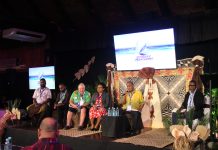
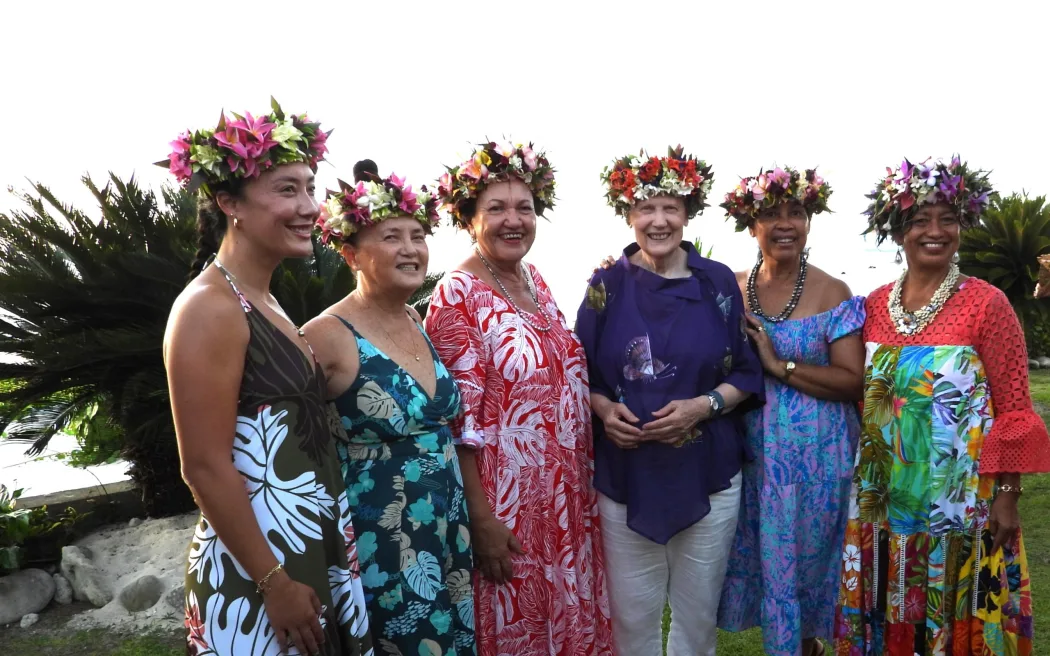
Clark made this remark in response to a question raised at a recent fundraising dinner, which featured a moderated discussion hosted by the Cook Islands Breast Cancer Foundation in Rarotonga.
Diplomatic tensions between the Cook Islands and New Zealand began brewing in late 2024 and became public after the Cook Islands signed a comprehensive strategic partnership and other agreements with China in February last year.
New Zealand cited a lack of consultation regarding the deals with China and subsequently suspended NZ$29.8 million (US$17.44 million) in funding.
Cook Islands lawyer Brian Mason raised the issue of the Cook Islands’ agreement with China during the moderated discussion.
“In a podcast not that long ago, which covered a variety of matters, when you were asked about the agreements or memorandum of understanding that the Cook Islands government entered into with the People’s Republic of China, you indicated it was definitely out of line.
“As a former Prime Minister, what would you do to try and improve the relationship following that event, or was the die cast and the damage done?” Mason asked.
Clark responded that the situation was concerning but not beyond repair.
“The point I would make, firstly, I’m very sad to see this difference of opinion, because the Cooks are part of the New Zealand family,” she said.
“But the point I would make is that New Zealand would not sign the kind of agreement that the Cook Islands signed with China.
“And so, if it’s not the sort of agreement we would sign, then clearly it’s an agreement that is going to be of great concern to New Zealand.”
Clark pointed to one clause that particularly raised alarm in Wellington.
“There’s a clause that says the two countries, Cook Islands and China, undertake to support each other’s candidates in international organisational elections where they’re both members. We would never agree to that.
“But there’s a lot of other aspects to it too. So, it’s happened, and it needs to be sorted out through discussion.”
She suggested the dispute could eventually be resolved through dialogue, possibly by agreeing not to implement certain parts of the agreement.
However, she warned the disagreement is already having economic consequences.
“At the moment this is costing the Cook Islands big time, right, with something like $20 to $30 million (US$11.70 million – US$17.55 million) a year being held back,” she said. “That’s a lot of money.”
Meanwhile, Prime Minister Mark Brown is expected to travel to New Zealand next week – a major visit since the diplomatic fallout between the two nations.
The Office of the Prime Minister has neither confirmed nor denied whether a ministerial-level discussion with the New Zealand government is on the agenda.
Opposition leader Tina Browne, who is also the leader of the Democratic Party, has urged Brown to use the upcoming trip to “engage directly with New Zealand leaders” and resolve the diplomatic standoff between the two nations and resolve the suspension of about NZ$30 million (US$17.55 million) in funding.