



Efforts to address gender-based violence in the Pacific overlook how boys are shaped by the very norms driving harm
By Priyam Singh-Maharaj
Across the Pacific, concerns about gender-based violence and gender inequality have become a defining development challenge – drawning sustained attention from regional governments and international partners. Australia, New Zealand, and multilateral agencies have invested heavily in prevention and response initiatives. Most recently the Australian government committed an additional $25 million (US$17.69 million) over five years to strengthen frontline services across the region. These efforts reflect a broader global recognition that gender-based violence undermines social stability, economic participation, and long‑term development outcomes.
Yet despite this momentum, current approaches rarely consider how boys and men are socialised into the very norms that fuel these problems, leaving a critical gap in the region’s gender policy architecture.
Boys are an overlooked part of the gender story in the Pacific, yet their experiences help explain how gender norms are formed and how they might change. The expectations of masculinity placed on boys from an early age influence how they manage conflict, express vulnerability and understand responsibility as adults. Without addressing this foundation, efforts to reduce violence and strengthen community wellbeing risk treating symptoms rather than the conditions that allow them to persist.
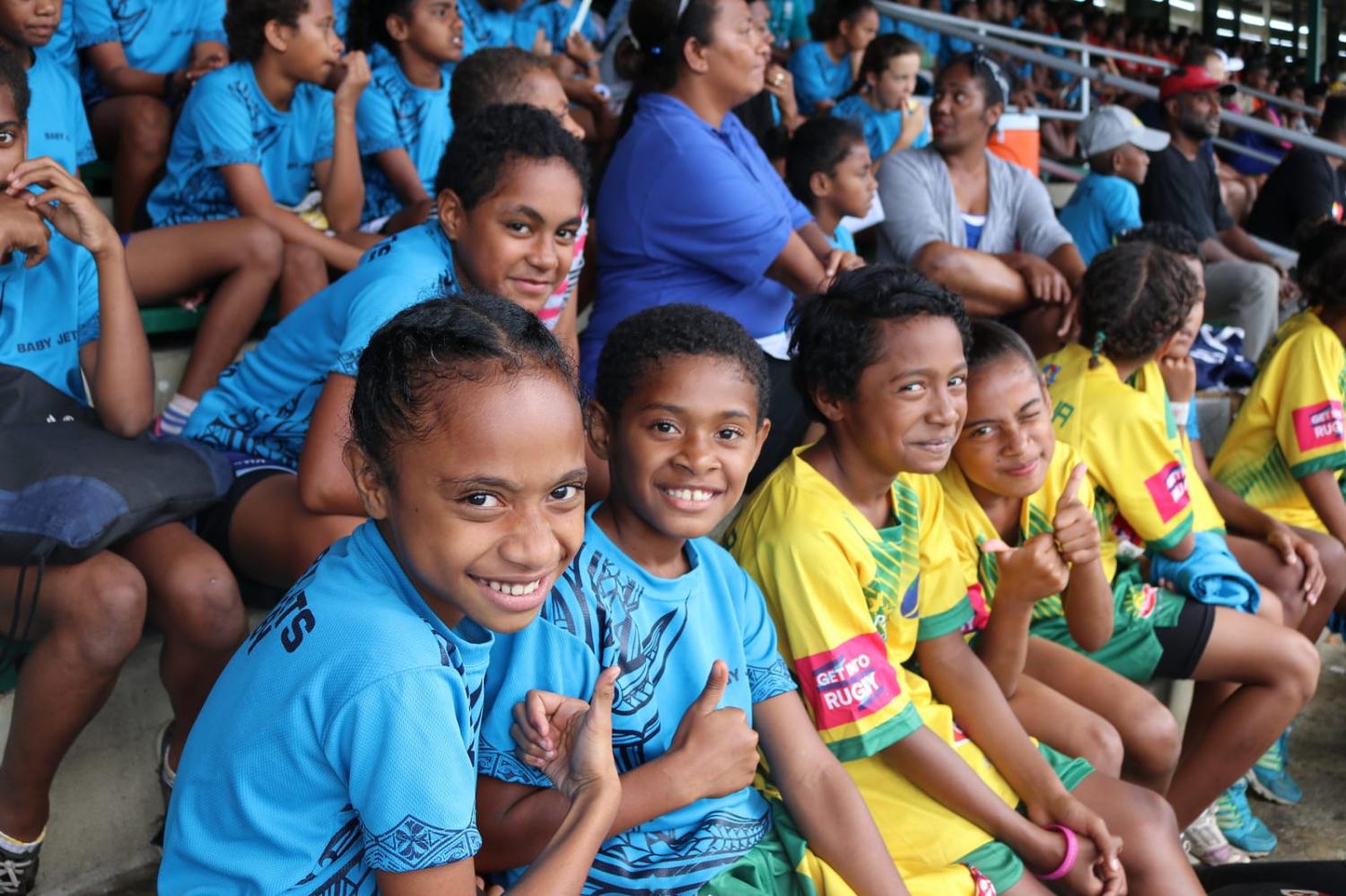
Many of the boys I worked with in Fijian schools recounted exposure to domestic violence. They spoke of complicated family dynamics, early alcohol use and spending long hours out at night to avoid going home. In schools, bullying often takes the form of gender policing, where boys are labelled “soft” and told to “suck it up and keep moving” because expressing emotion is seen as feminine and “no one cares” about their feelings. Collectively, these accounts illustrate how gender norms operate early in boys’ lives and how these norms limit the forms of vulnerability they feel able to express.
The near-exclusive work with women and girls has created a structural blind spot.
My earlier research work with Fijian fathers showed how these pressures continue across the life course. Fathers often wanted closer relationships with their children but felt unprepared to show affection, having inherited models of parenting built on silence, discipline and emotional distance. Their reflections revealed how the emotional restrictions placed on boys do not disappear with age. Instead, they impact men’s relationships, their sense of responsibility, and their ability to support the next generation.
These findings matter for reasons that go far beyond school dynamics or household relationships. Pacific gender policy frameworks, including those guiding major development partners, have rightly focused on the urgent challenges facing women and girls. These efforts are essential and must continue. However, the near-exclusive work with women and girls has created a structural blind spot. Masculine norms – and the everyday cultures that shape the behaviour of boys and men – receive far less attention.
Efforts to include men and boys in gender programming often position them as allies. When they are discussed, it is often through the narrow lens of violence prevention, with terms such as toxic masculinity used as catchphrases. These framings rarely lead to meaningful change because they rely on concepts developed in Western contexts rather than on locally grounded, cultural understandings of how boys and men come to understand, negotiate, and embody masculinity in Pacific communities. Development agencies need to support Pacific‑led approaches grounded in the cultural, religious and moral frameworks that shape their daily lives.
In Fiji, there have been public debates about establishing a men’s department to address issues such as drug abuse and domestic violence. Feminist organisations opposed the proposal, but many in the wider public backed the idea of providing some form of support for men. This tension reflects a broader regional challenge. Communities recognise that boys and men need support, yet there is limited research to guide what that support should look like. Without evidence drawn from boys’ and men’s own experiences, gender programming risks misdiagnosis and overlooking the social realities that inform behaviour. The norms that harm women and girls are often the same norms that restrict boys’ emotional expression, frame their ideas of masculinity and gender roles, influence men’s parenting practices, and ultimately affect the well-being of families.
Working with boys and men is not a diversion from gender equality. It is essential for building the kinds of relationships and communities needed for long-term social and development outcomes. Expanding research and development work in this area is crucial, not only to support boys and men themselves but to build a fuller and more honest foundation for gender equality in the region. The two approaches are not mutually exclusive. Women and girls continue to face systemic inequality and gender-based violence, and men and boys need targeted support, not because they are oppressed, but because they are socialised into a model of masculinity that is harming them and others.