

The Pacific Network on Globalisation (PANG) is warning of the dangers that come from closer economic alignment for Pacific Island Countries as the U.S continues its push to control access to critical minerals for its military and geostrategic interests.
This week’s “Pacific Agenda: Investment, Security, and Shared Prosperity Summit” in Hawai’i, brings together senior officials, Pacific Island leaders and representatives, including Cook Islands Prime Minister Mark Brown, to discuss investment opportunities in critical minerals and regional supply chains.
The Summit follows the recently signed Cook Islands-United States Framework for Securing Critical Minerals and Rare Earths, raising alarm among Pacific civil society groups.
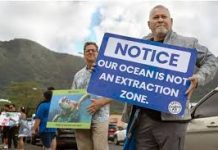
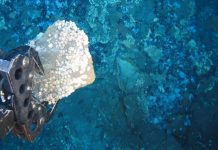
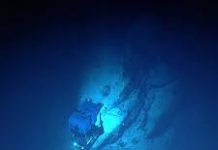
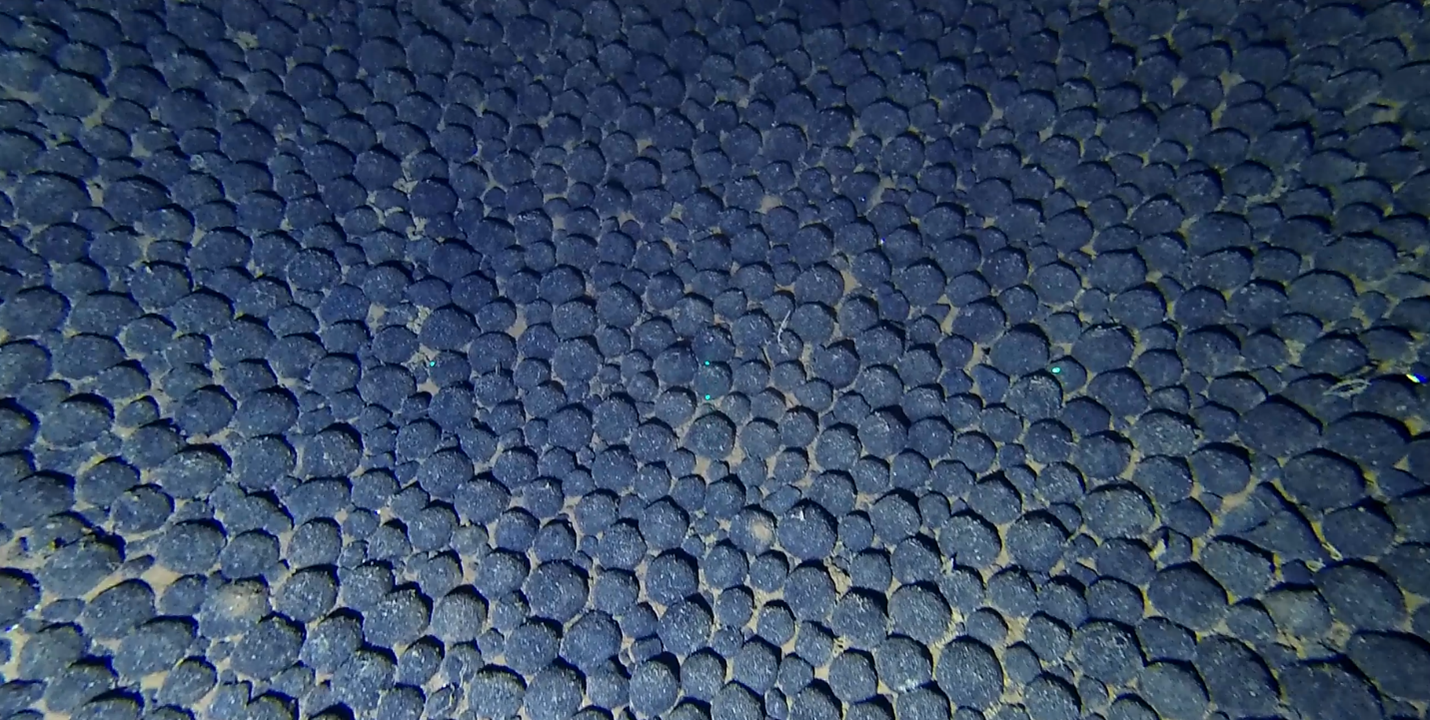
PANG argues that the framework agreement moves the Pacific region one step closer to deep-sea mining by giving the U.S a direct-line into promoting the experimental process in Cook Islands waters.
“The agreement has effectively invited the U.S into the domestic processes that the Cook Islands is undertaking to determine whether or not a dangerous and untested industry like deep-sea mining should happen in Cook Island waters.
This framework will give the U.S clear access to pursue its military and geopolitical interests in deep-sea minerals, bringing the Cook Islands squarely into its zero-sum competition with China,” commented Adam Wolfenden, PANG Deputy Coordinator.
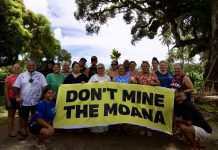
The framework agreement has raised alarms among Cook Islanders where they have expressed concerns over what the agreement means for advancing deep-sea mining.
“This alignment suggests that our government is already moving past the “if” and onto the “how”, effectively building the industrial plumbing for a deep sea minerals market while still publicly debating the environmental cost of turning on the tap,” said Alanna Smith of Te Ipukarea Society.
The Cook Islands – U.S agreement establishes a ‘working group’ to “identify areas and opportunities related to the Cook Islands deep sea mineral resource, including to promote predictable and efficient permitting and match operators and investors for the relevant assets.” This is in addition to both parties intending to identify projects and investment opportunities.
“The agreement is clear in its intention to minimise barriers to deep-sea mining. So called ‘predictable and efficient permitting’ will prioritise investors and lower the appetite for regulatory change. For an unknown industry, showing an intention to not make regulatory changes is a dangerous signal to make and one that implies a deprioritisation of the human and environmental impacts of this untested mining to try secure U.S investment” added Wolfenden.
The agreement is considered non-binding, however President Donald Trump, in his Proclamation on January 14th indicated that after 180 days he may impose trade restrictions if the agreements are not implemented.
“While these agreements are technically non-binding, the U.S has made clear that it reserves the right to pressure countries to implement their commitments. This highlights the inherent asymmetry in these frameworks and again places US interests above all else, highlighting the need for clarity and transparency in the role and actions of the joint Working Group,” stated Mr Wolfenden.
“The U.S has shown clearly that it is solely focussed on securing its economic and strategic position, agreements like these are a warning to all Pacific Island Leaders against overtures from America that will only consolidate the power asymmetry in the relationship,” concluded Wolfenden.