
A Solomon Islands climate negotiator says constantly adapting to climate change is a matter of survival for Pacific Island communities and “regional coordination” is key.
The climate crisis is rising temperatures, rising sea levels and causing increased cyclone activity which threaten the lives and livelihoods of people across the region.
Melissa Horokou is part of a team working on adaptation at the United Nations Framework Convention on Climate Change (UNFCCC) Conference of Parties (COP), the annual international climate change conference.
Adaptation is one of fourteen thematic priorities on the COP agenda.
“Adaptation has been a way of life for Pacific people for years, it has ensured our survival all this time,” Horokou said.
“The best we can do to pull through each year is to adapt to the changes. Our people, our ecosystems, our culture and all that make who we are as Pacific people revolve around evolving and living with the changes.”
In 2022, a group of Pacific leaders declared climate change to be the greatest single existential threat to the region.
As well as dealing with the impacts of climate change at home, regional leaders have the opportunity to initiate international action, at global climate change negotiations.
Pacific negotiators, like Horokou, work hard to present their case at UN climate talks. The moment the gavel drops at one COP, preparation begins for the next.
Preparation for a COP conference begins with reviewing the decision made at the previous event.
Pacific negotiators start with a Post-COP Analysis Workshop. Horokou said holding this in-depth review of the decisions of the preceding COP is important.
Horokou will be attending COP31 in Antalya, Türkiye, later his year. She said “getting national priorities correct is important and this involves a lot of coordination among our national stakeholders”.
“We also hold our own post-COP debriefs and COP briefings to prepare our team for negotiations. Regional coordination is a key aspect.
“This takes place over many events across the year in the lead up to COP. Understanding various national positions on different agenda items and finding common interest is instrumental in advancing those items.”
Horokou highlighted training as critical for negotiator preparation.
“I believe training opportunities for negotiators were rare in past, and our more seasoned negotiators had to learn as they go. We are fortunate to have many more capacity building opportunities, and I encourage those getting into this space to seize them.”
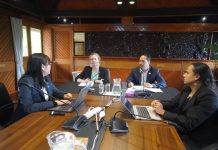
After the post-COP analysis workshop, several more coordination meetings take place. These sessions give Pacific negotiators a chance to plan, refine their strategies, and consider their positions based on the latest updates and progress on their priority agenda items.
These meetings take considerable collective efforts from a number of government officials and partners including the Strengthening Pacific Leadership in International Climate Change Engagement (SPLICE) project, a partnership between the Australian government and the Secretariat of the Pacific Regional Environment Programme (SPREP).
“SPLICE has provided support through development of policy briefs, ministerial packages, communications products and further fundraising. Capacity building and deep dives into negotiation threads are other important components for effective engagement at the negotiation tables,” project coordinator Ewan Cameron said.
The journey to COP is a significant logistical and financial undertaking for Pacific nations. The cost of participation is not cheap, as delegates must travel across the world to attend conferences.
SPLICE has helped bridge this gap by providing crucial funding support for Pacific negotiators to attend COP and its preparatory meetings.
Complementing the Pacific’s presence in negotiations is the Moana Blue Pacific Pavilion- intended to be a home away from home, for Pacific people at COP.
Through SPLICE, the Pacific has a dedicated space to showcase climate leadership through side events, and to facilitate coordination, collaboration, and networking throughout the conference.
Despite being smaller, and less well-resourced, than the countries they seek to influence, Pacific nations continue to demonstrate strong leadership in the international climate arena.
They consistently bring forward the priorities that will enable their communities to respond to and address the impacts of climate change.