
By Dirk Wagener UN Resident Coordinator
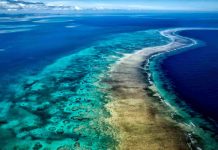
For the people of Vanuatu, the ocean is life – and the month of January brings good news during these rather turbulent times: the entry into forces of an international treaty to protect the ocean.
The Agreement on the Conservation and Sustainable Use of Marine Biological Diversity of Areas Beyond National Jurisdiction, often referred to as BBNJ Agreement-will shape the future of our oceans and the well-being of those who depend on them. It was adopted on 19 June 2023 and came into force on 17 January 2026, 120 days after passing the threshold of 60 ratifications. Pacific states that have ratified include Fiji, the Solomon Islands, Tuvalu and Vanuatu with most others having signed but pending ratification
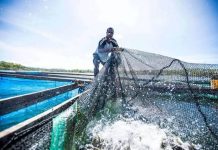
The Agreement establishes, for the first time, a global legal framework to protect and sustainably manage biodiversity in the high seas and international seabed, which together cover over two-thirds of the ocean. These are areas beyond national borders, yet they are intimately linked to the waters surrounding our island nation. For communities that rely on fishing for their daily meals and livelihoods, the Agreement ensures that these shared waters are governed responsibly, with rules that safeguard ecosystems and resources for current and future generations.
For Vanuatu, the gains are immediate and tangible. The treaty requires that the benefits from marine genetic resources, including potential medical, scientific, and technological applications, are shared fairly and equitably. This ensures that Small Island Developing States, which have historically lacked the capacity to access or develop these resources, can now reap the rewards.
The Agreement strengthens environmental protections through robust environmental impact assessments and the creation of marine protected areas. When high seas activities affect waters adjacent to a country’s exclusive economic zone, proponents must consult affected coastal States, ensuring that the rights, interests, and existing conservation measures of coastal nations are respected. This gives Pacific countries including Vanuatu a stronger voice in decisions that affect the marine environment on which they depend.
Capacity-building and technology transfer are equally critical. The Agreement obliges cooperation to help developing States strengthen their marine science and management capabilities. For Vanuatu, this means that initiatives will be responsive to national priorities and community needs, empowering local scientists, managers, and stakeholders to protect marine biodiversity effectively.
The Agreement also formally recognises the knowledge of indigenous peoples and local communities, ensuring that traditional insights inform decisions about marine areas and resources, with full consent and participation. This inclusive approach reflects the deep connection our communities have with the ocean and respects the wisdom passed down through generations.
The entry into force of the Agreement is not only a key multilateral achievement; it is a victory for people and the planet. It reaffirms that the health and resilience of our oceans matter to all nations, but especially to those whose lives, cultures, and traditions, are inseparable from the sea. It offers a framework for fair, sustainable, and cooperative ocean governance, and it places Pacific nations at the centre of these global efforts.
As we celebrate this historic milestone, we must now turn our attention to implementation. The promise of the Agreement will only be realised if we act together, ensuring that these international commitments translate into tangible benefits for maritime communities across the Pacific. For the people of Fiji, Tonga, Tuvalu, Vanuatu, and the Solomon Islands, the Agreement is more than law; it is a lifeline for the oceans that sustain us all.