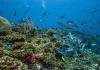


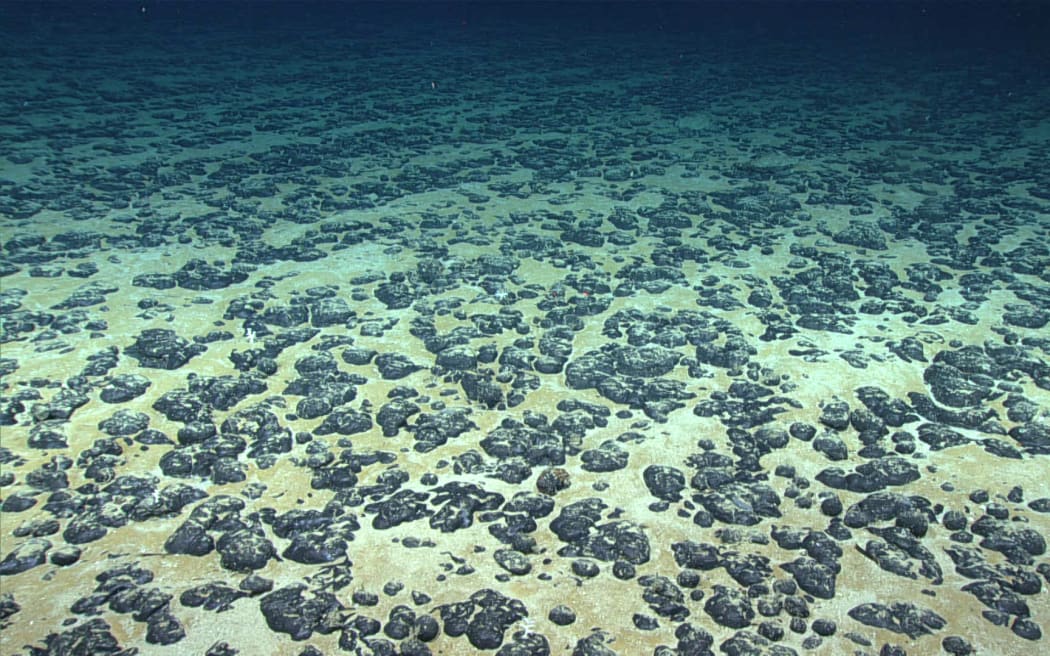
Pacific delegates in the United States Congress are warning efforts to fast-track deep-seabed mining could sideline island communities and cause irreversible damage to fragile ocean ecosystems.
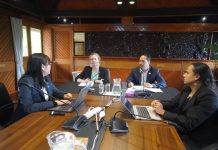
The concerns were raised at a House Natural Resources Committee hearing in Washington last week, held a day after the National Oceanic and Atmospheric Administration (NOAA) finalised new rules streamlining permits for seabed mining.
The changes allow companies to apply for exploration and potential commercial recovery through a single process, replacing regulations dating back to the 1980s.
NOAA says the update reflects advances in deep-sea science and technology and does not weaken environmental safeguards.
But Guam Delegate James Moylan said decisions made in Washington have real and lasting consequences in the Pacific.
“The ocean is how we live. It feeds our families, holds our history, and connects our people to generations before us,” Moylan said.
American Samoa Delegate Aumua Amata Radewagen warned seabed mining could threaten fisheries, which she described as the lifeblood of island economies.
Northern Marianas Delegate Kimberlyn King-Hinds said Pacific territories “don’t get the luxury of being wrong” on ocean policy, warning that damage to the seabed would be permanent.
Industry representatives told lawmakers the streamlined process would provide certainty without weakening environmental reviews, while scientists warned deep-sea ecosystems could take decades to recover, if at all.
For Pacific delegates, the message was clear: faster permitting must not come at the expense of island voices or ocean protection.