


By Pita Ligaiula in Manila, Philippines
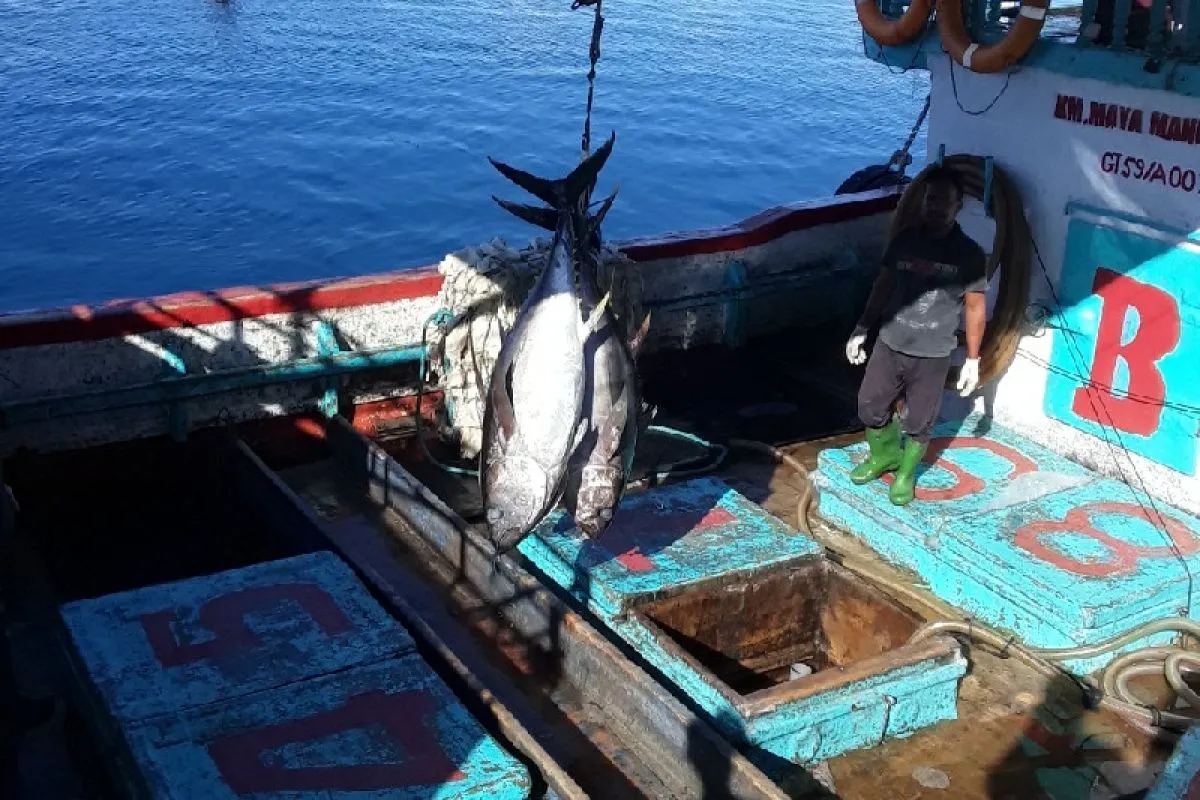
The Western and Central Pacific Fisheries Commission (WCPFC) has issued a blunt assessment of its 2025 performance, warning that persistent data gaps, weak monitoring and slow progress on key reforms continue to undermine effective management of the world’s largest tuna fishery.
In its Twenty-Second Regular Session Annual Report on the Work of the Commission in 2025, the WCPFC says it is still grappling with “additional challenges related to the availability of data to support compliance monitoring, strengthening measures for mitigation of fishing impacts on Non-Target, Associated and Dependent Species (NTADS), and progressing a harvest strategy for South Pacific albacore tuna.”
The report says maximising compliance across the vast membership remains a major hurdle.
“The Compliance Monitoring Scheme (CMS), while in its 15th year, still deals with inconsistencies in data reporting, particularly in high seas and longline fisheries,” the Commission states.
It warns that “data and monitoring gaps from some members and for some fisheries, including observer coverage discrepancies between longline and purse seine fisheries, have hindered accurate assessments… and in some cases identification of potential violations.”
The report makes clear that strengthening monitoring and reporting “continues to be a top priority.”
On environmental impacts, the Commission says its ability to protect non-target, and vulnerable species is being held back by patchy information.
“WCPFC’s efforts to mitigate fishing impacts on non-target and associated or dependent species remain hampered by gaps in monitoring and data collection,” the report says, noting that global moves to expand marine protected areas under the new BBNJ Agreement could step in where RFMOs are seen as ineffective.
With tuna stocks currently healthy, the Commission says it has “a clear opportunity to address some of the long- standing data gaps that are hindering the full effectiveness of its mitigation measures.”
The report also flags slow progress on harvest strategies, saying modern fisheries management demands are rising sharply.
“The demands of modern fisheries management are rapidly evolving, driven by climate change, technological advancements, and international marine conservation agreements,” it says. WCPFC’s shift toward ecosystem-based management and climate resilience “will be partially realised through its application of a harvest strategy management framework.”
It warns that as markets raise sustainability expectations, “the WCPFC will be challenged to meet higher expectations around sustainably- and ethically- caught tuna.”
Looking ahead, the Commission says it has a strong base to build from, but members must move faster.
It notes that with healthy tuna stocks and decades of accumulated data, “WCPFC has clear opportunities to redefine its future work by enhancing the way it adapts and responds to the demands of modern fisheries management.”
The 2026 work programme prioritises improved data availability, stronger stock assessment and compliance review, better research on fishery impacts, and full operationalisation of Article 30 across all Commission work.
“Greater collaboration and swifter action are required by WCPFC members and stakeholders to ensure that the last two decades of investment… is maintained well into the future.”
The report highlights major advances in data systems, saying the WCPFC Information Management System now allows members to directly manage vessel authorisations and reporting, accelerating evidence-based decision-making across science, compliance, and ecosystem management.
Ultimately, the Commission argues that integrated, data-driven management is the path forward.
“Integrating key datasets into a coherent and comprehensive picture… will convert two decades of data collection into actionable insight,” it states, strengthening risk-based compliance and improving scientific advice.
The report says the Commission is well-positioned to meet rising expectations if members align around ecosystem- based management, data-driven decisions, and stronger regional cooperation.
“WCPFC will be well positioned to tackle present challenges and demonstrate measurable progress… in advancing the long-term sustainability of fisheries throughout the western and central Pacific Ocean,” it concludes.