
By Pita Ligaiula in Manila, Philippines
Sharks Pacific Policy Director Bubba Cook says the biggest obstacle facing the Western and Central Pacific Fisheries Commission (WCPFC) is clear — distant water fishing nations with the most to gain from keeping the high seas opaque.
In an interview with PACNEWS, Cook said the pushback will come from countries that rely heavily on high-seas fishing for South Pacific albacore.
“The strongest resistance will unquestionably come from those distant water fishing nations (DWFN) that rely most heavily on the high seas to conduct fishing operations,” he said.
Cook said more than a quarter of South Pacific albacore(SP ALB) is caught on the high seas, and some distant-water fleets depend on the lack of visibility to hide how much they harvest and profit from.
“With more than a quarter of SP ALB harvested on the high seas (that we know of), those countries rely on the opacity and diffusion of the existing supply chain to obscure how much they are catching (and profiting from) and, therefore, oppose any measures that might reasonably improve the level of accountability of their actions on the high seas or, certainly, place any limits on their effort or catch whether it is within an EEZ or on the high seas,” he said.
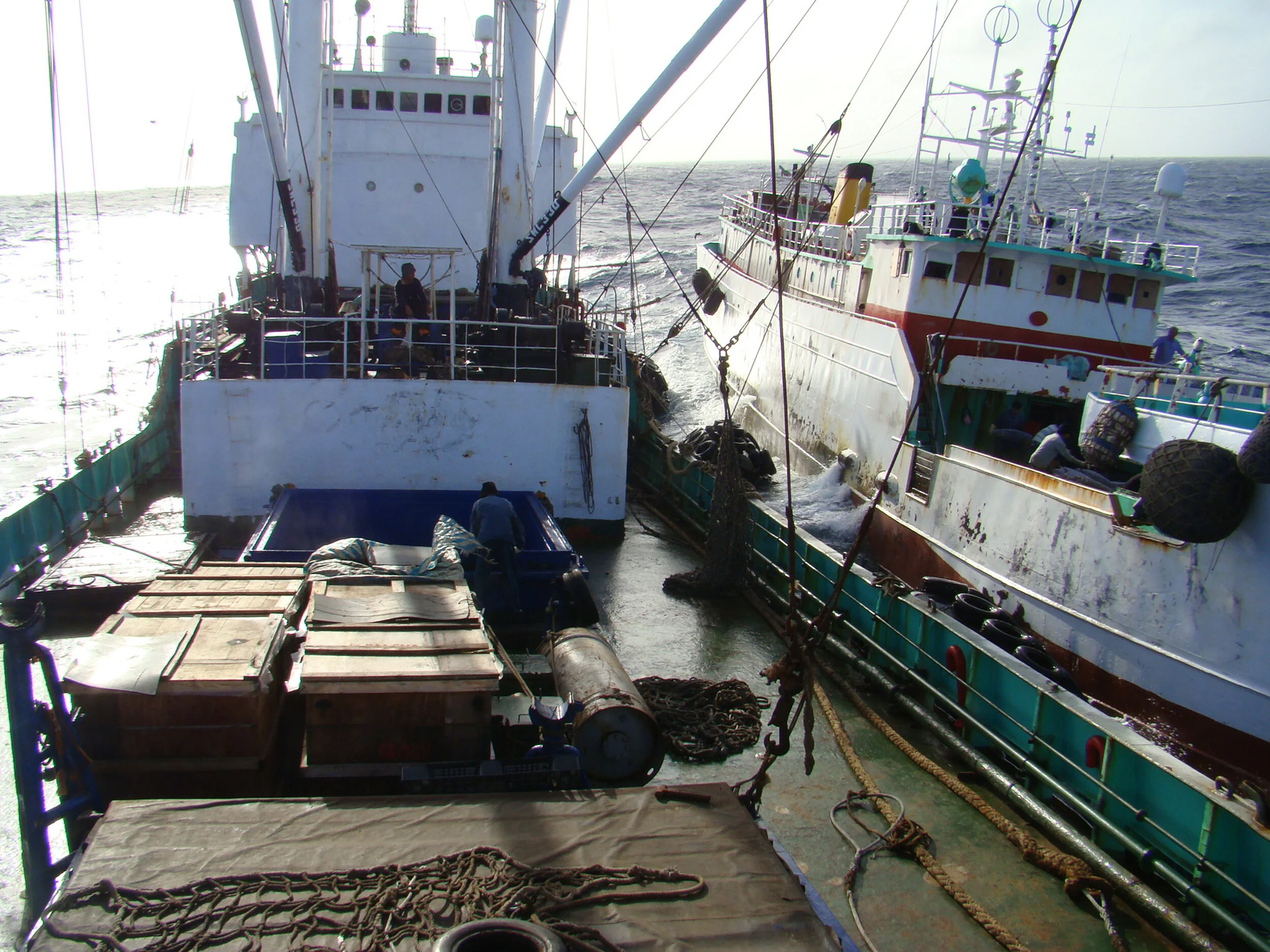
He singled out high-seas transshipment as the clearest example.
“This position is no more evident than in the high seas transshipment issue, where the Asian DWFN have fought aggressively to avoid any accountability on the high seas that might expose just how much fish is being stolen from
the Small Island Developing States,” he told PACNEWS
Cook said the most effective step the Commission could take is shutting down high-seas transshipment entirely.
“If the WCPFC genuinely wanted to address the issue of the theft of resources from the SIDS, the most simple and effective way would be to close the high seas to all transshipment, which would force any at-sea transhipment inside
the EEZ, where it can be subject to greater scrutiny by the coastal state or, even better, into port, where the coastal state can not only more effectively monitor and account for the landings, but would secure greater rents and benefits from the resource.”
He warned that the Commission’s ability to manage tuna stocks including South Pacific albacore will remain compromised until this loophole is closed.
“Until high seas transshipment is addressed, there will continue to be significant gaps in the ability of the WCPFC to manage all species, much less SP ALB,” Cook said.