

Pacific leaders say the compromise that will see Türkiye host COP31 while Australia lead the negotiations still offers the region a meaningful platform to advance its climate priorities, even as some Pacific nations express disappointment that a Pacific COP will not proceed.
Pacific Ocean Commissioner Dr Filimon Manoni said the verbal announcements from Belém indicate the region will continue to play a role through the pre-COP process.
“As I understood from the announcements yesterday, while the presidency will go to Turkey, Turkey will assume the presidency after Belém. The pre-COP for COP31 next year would go to Australia and the Pacific,” he said.
He emphasised that details remain unofficial.
“We haven’t seen a written version of this agreement… we are only speaking of reports and announcements that have been verbally made.”
Once the final document is released, he said, “the Pacific will have to start pivoting toward that and preparing for those events.” Dr Manoni noted that while the region preferred a Pacific–Australia co-hosting arrangement, the compromise still secures influence.
“It looks like we didn’t lose it all,” he said. “We should continue to prepare for the events that will lead up to COP31 in Turkey next year.”
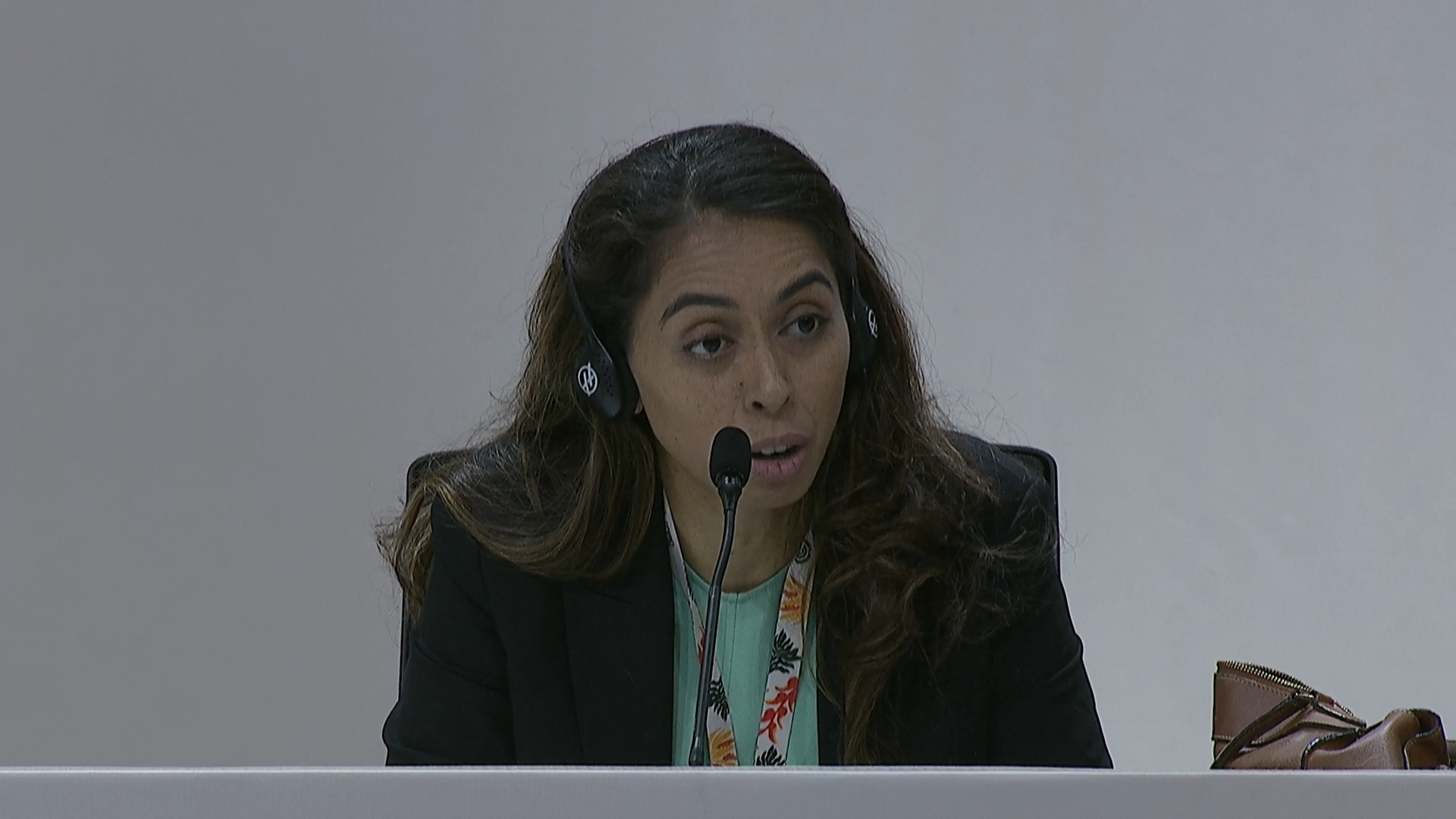
Palau’s Permanent Representative to the United Nations, Ambassador Ilana Seid, voiced her country’s dissatisfaction.
“We are very disappointed that it’s not going to be a Pacific COP,” she said.
She added that Australia is still advocating for a Pacific-hosted pre-COP, with the host nation to be selected by the Pacific Islands Forum.
“We hope that the pre-COP can be held in the Pacific Islands,” she said, adding that a meeting in the region would allow negotiators to experience frontline climate impacts firsthand.
“When you go to a Pacific Island, you’ll see just how exposed you are to the climate… you might be able to see sea level rise flooding some of the communities.”
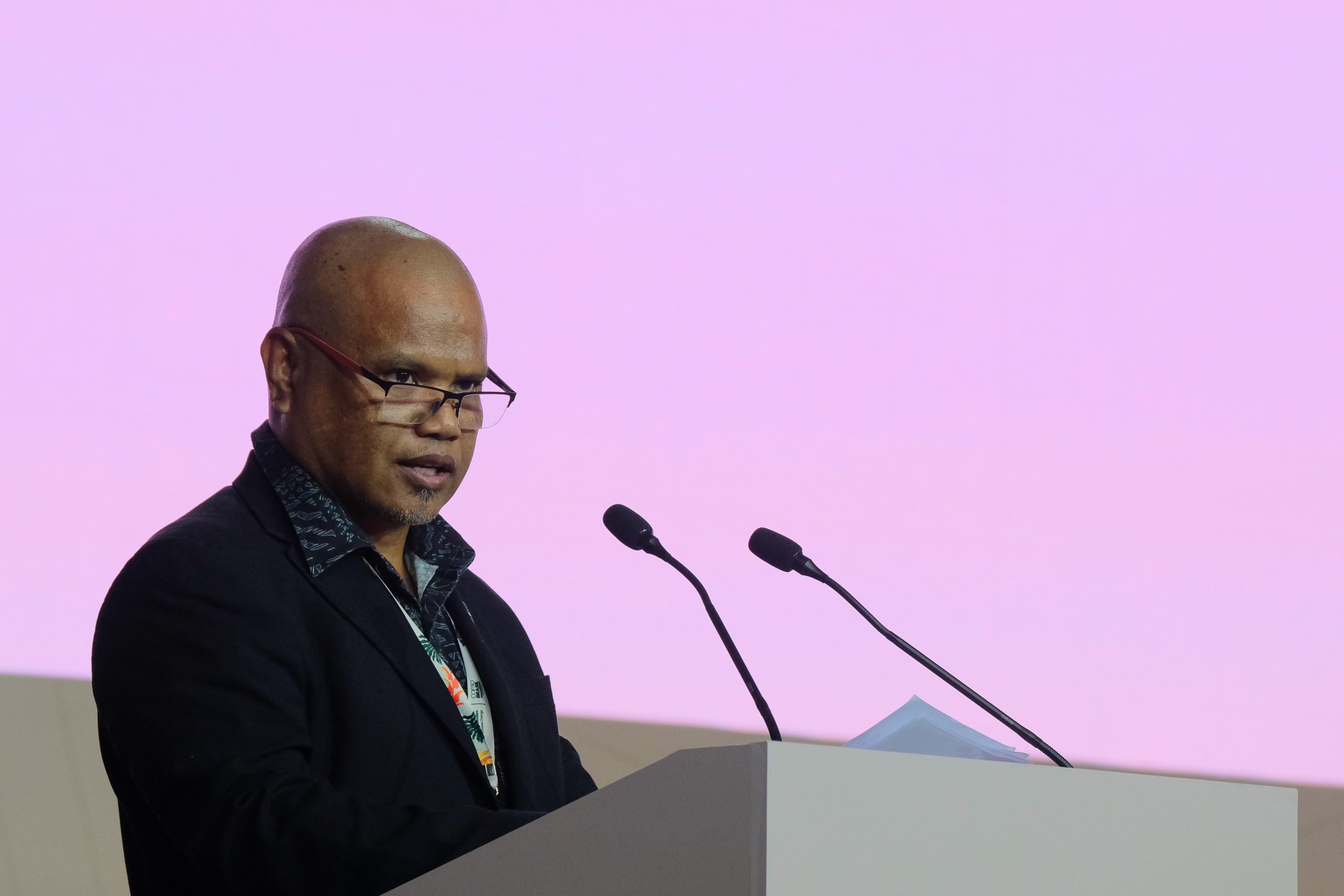
Palau’s Minister of Agriculture, Fisheries and Environment Steven Victor said Palau’s advocacy will remain firm regardless of the venue.
“Whether COP is held in Australia or anywhere, Palau will continue to have a very strong voice,” he said.
“It is a matter of survival for us… if we don’t get 1.5 degrees within reach by the end of this century, some of our islands won’t be around. Some of our people won’t have cultures to call culture.”
He warned that global systems designed to support vulnerable states are under pressure.
“We’re seeing multilateralism under attack. We’re seeing science under attack. And we need to safeguard those… to ensure that we have a voice that is informed by science.”
In a statement, Fiji’s Prime Minister Sitiveni Rabuka reaffirmed Fiji’s support for efforts to focus global attention on the Pacific’s climate vulnerability.
“Fiji welcomes efforts by our Pacific partners, particularly Australia, to bring a focus on the devastating impact of climate change on our region through a Pacific COP,” he said.
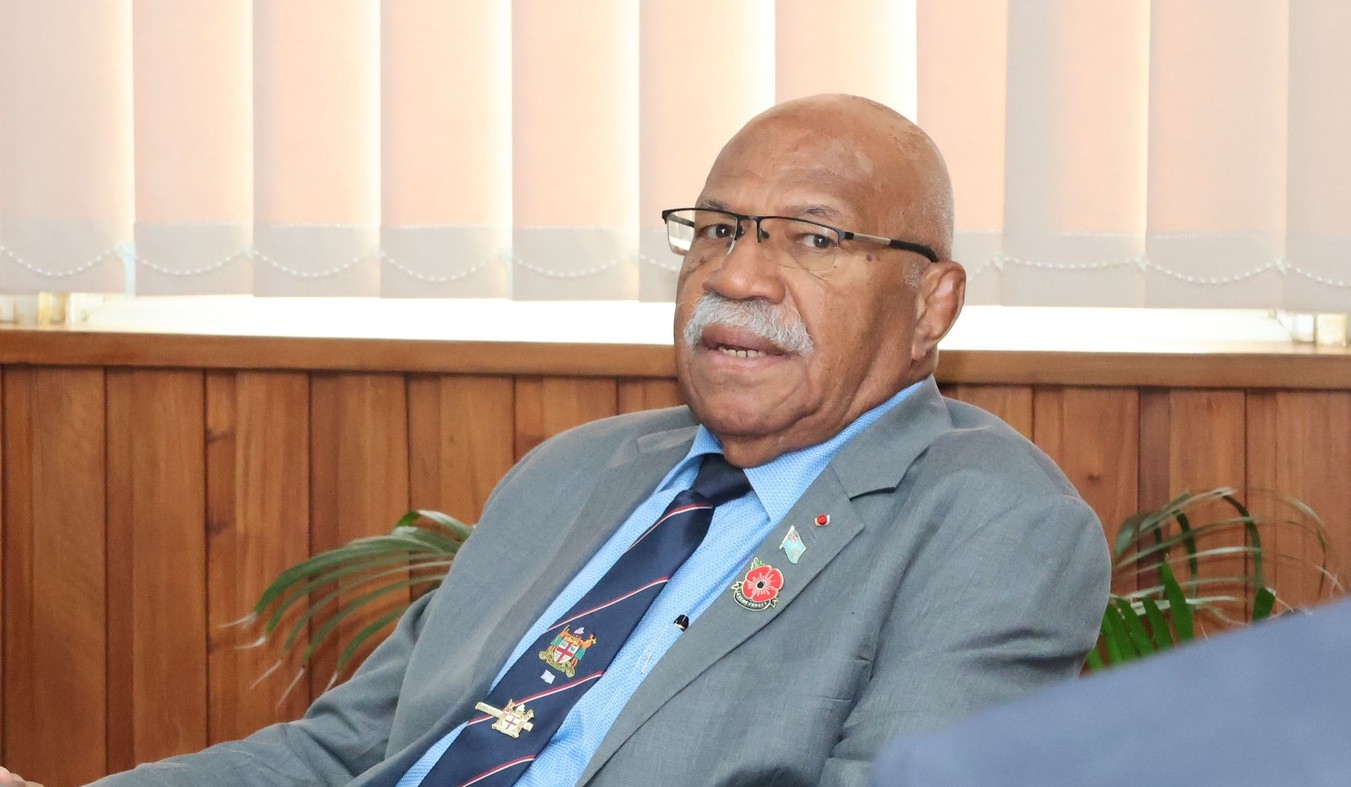
Rabuka noted that the outcome in Belém means “it is unlikely we will secure a Pacific COP,” but said it remains essential to preserve the region’s influence in the process rather than risk “the global climate negotiations [falling] by the wayside.”
Fiji supports a resolution that includes a leaders-level pre-COP in the Pacific, a pledging event for the Pacific Resilience Facility, and a leadership role for Australia and the region in next year’s negotiations.
Reported in Solomon Star, Australian Climate Change Minister Chris Bowen confirmed the dual-presidency arrangement, calling it “a significant concession for both sides—but necessary when you’re trying to find consensus.”
“Turkey will host COP31 and serve as the formal COP President, managing the venue and logistics,” Bowen said.
“Australia will serve as COP President for the purposes of negotiations,” giving Canberra authority to appoint co-facilitators, prepare draft texts, and shape the final cover decision.
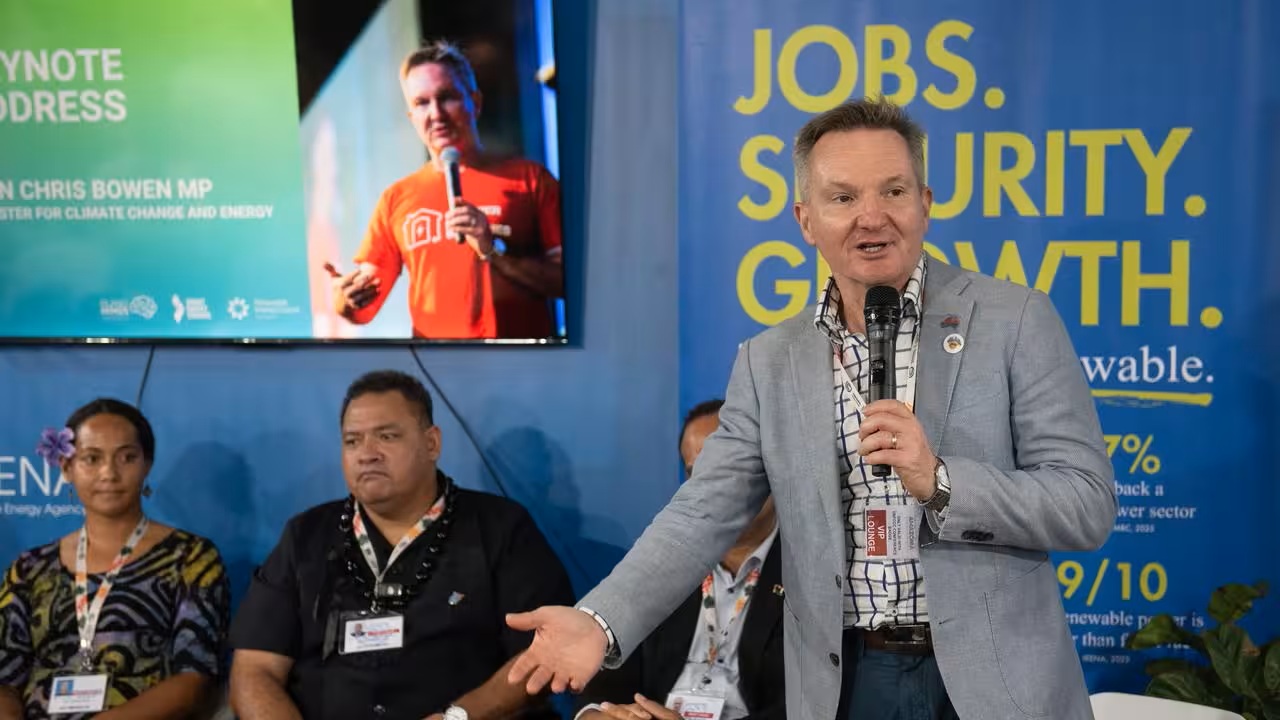
He said Australia had strong support within its UN negotiating bloc, but a single objection was enough to block its hosting bid.
The hybrid arrangement is being welcomed by some Pacific leaders who believe Australia’s central role in negotiations may help secure stronger commitments for small island states.