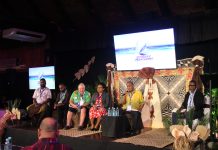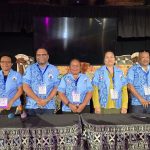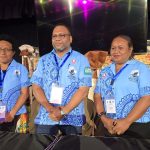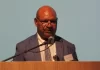
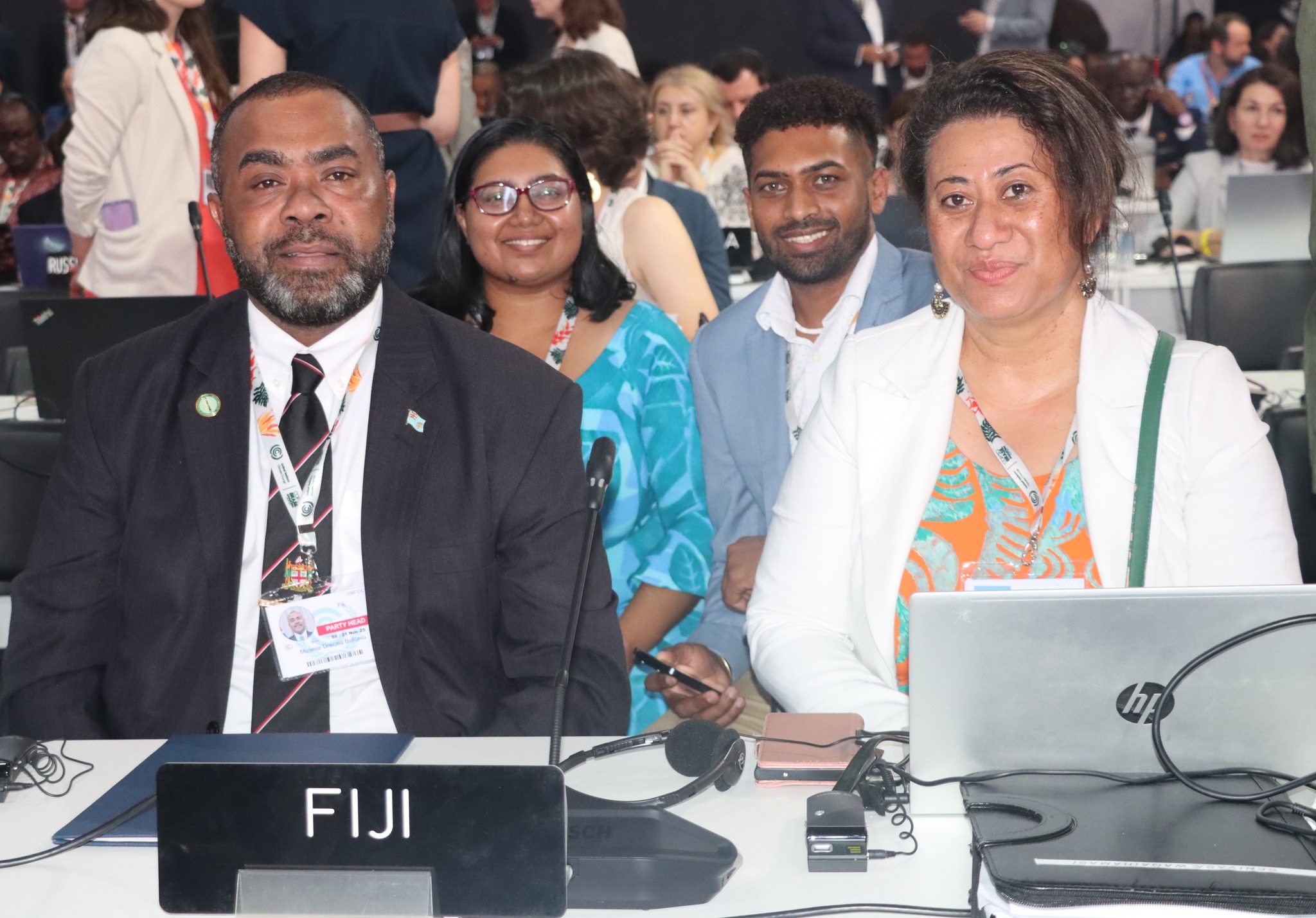
With all eyes on Brazil for the next two weeks as it hosts the world’s leading forum for tackling the climate crisis, Fiji’s Minister for Environment and Climate Change, Mosese Bulitavu, says COP30 cannot be business as usual.
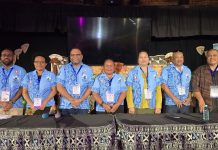
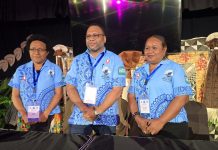
Amongst Pacific climate negotiators and delegations amplifying the one Pacific Voice for Pacific communities unfairly placed at the forefront of climate change impacts, Bulitavu said COP30 must conclude with meaningful outcomes for all involved, especially the most vulnerable communities.
This work is personal, says the Minister, who has been actively involved at the Belem COP, which kicked off officially on Monday.
“This work is about our survival. We are fighting for our identity, we are fighting for the protection of our culture, we are advocating for the protection of our lands and coastal communities which have been badly affected by this crisis,” he said.
The ‘lived reality’ of climate change in Fiji are alarming.
“Families, communities and villages need to relocate now, this is already happening in some parts of Fiji,” he said. “Identities and cultural aspects have been lost due to the impact of climate change. So this work is for our survival, it’s for our future, it’s for our children, their children and generations to come.”
COP30 takes place amidst rising global temperatures and increasingly severe climate disasters, where Fiji and Pacific countries often face the full brunt. During the opening on Monday, the COP30 Presidency highlighted the importance of collective mobilisation for the implementation of climate solutions, delivering on adaptation, and the integration of climate policy and economic development, informed by science.
But the COP30 Presidency’s focus on Ocean is something Bulitavu welcomes.
“We acknowledge the COP Presidency of Brazil for providing a space to have an Ocean Special Envoy for COP30. With the initiation of blue packages, it’s even more significant as these discussions are taking place at the Amazon, the green lungs of the planet,” he said. “It’s a good platform for us, especially as we push for a Pacific COP next year, which will be on Oceans.
“Already here, there have been plenty of moving parts and we see this COP as a critical step as we prepare for the next COP where Fiji will become co-chair to the Ocean dialogue. We want to ensure that Ocean becomes a permanent agenda item on the COP table.
“So this COP is very important for us, it’s an implementation COP and we see the work and focus here as big recognition of Oceans in the agenda of COP.”
One of the big items of interest for COP30 is a decision on where COP31 will be hosted, with Australia and Turkey bidding. The Pacific countries have already expressed their support for Australia, with COP31 already been touted as a Pacific COP.
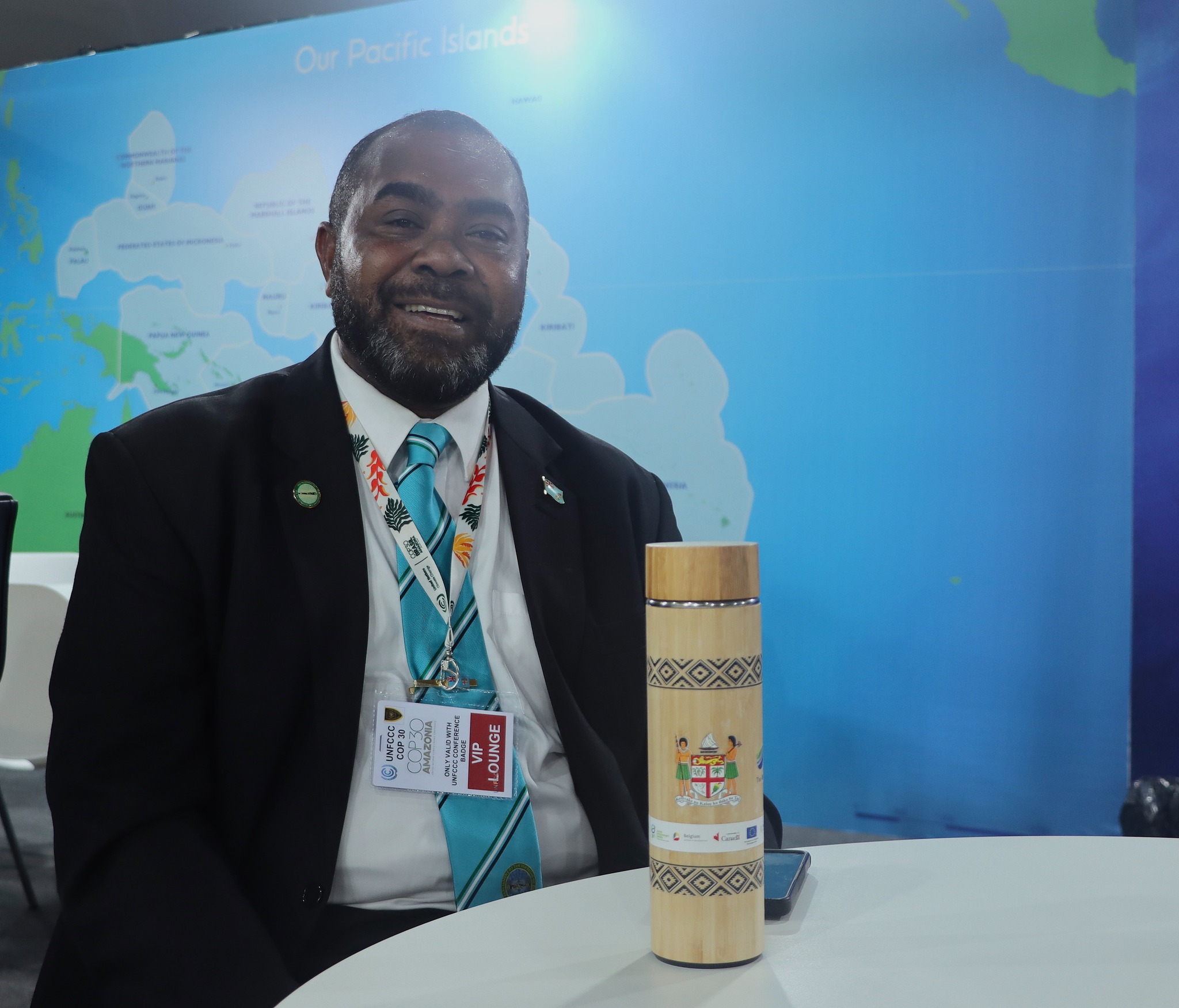
In Belem, Bulitavu said Fiji and Pacific countries will continue to advocate for Australia to be the next COP host.
“For us in the Pacific, having COP come to our part of the world is very important. We want the world to come to see our region, to see the vulnerability we are in, and we want them to get a sense of what we come to these COPs and amplify our voices about all the time,” he said. “We want them to see why climate finance is so important, why we need 1.5, why we need green and blue solutions, why COP matters to our Pacific region.”
Pacific delegations are already engaged in crucial negotiations on tackling the climate crisis with urgency and ambition, to ensure the goal of 1.5 to stay alive.
The Secretariat of the Pacific Regional Environment Programme (SPREP), as Chair of the OneCROP, has the mandate as coordinator of Pacific climate change action to lead work on enhancing Pacific engagement at COP29, and Minister Bulitavu applauded the work to ensure the one Pacific Voice is amplified in the COP space.
“I want to acknowledge and thank SPREP for leading this work with the support of One CROP in uniting our Pacific as one family, one Ocean, so we can strategise and amplify our voice in this space,” he said.
“Our voice will be stronger and have more impact on the global stage if we are united. We are large Ocean states, and we thank organisations like SPREP and all the partners for the work they do, to allow us to have a space to strengthen our voice. The Moana Blue Pavilion is like our home away from home,” he said.