By Lisa Williams
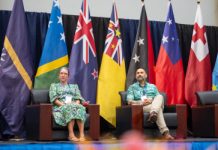
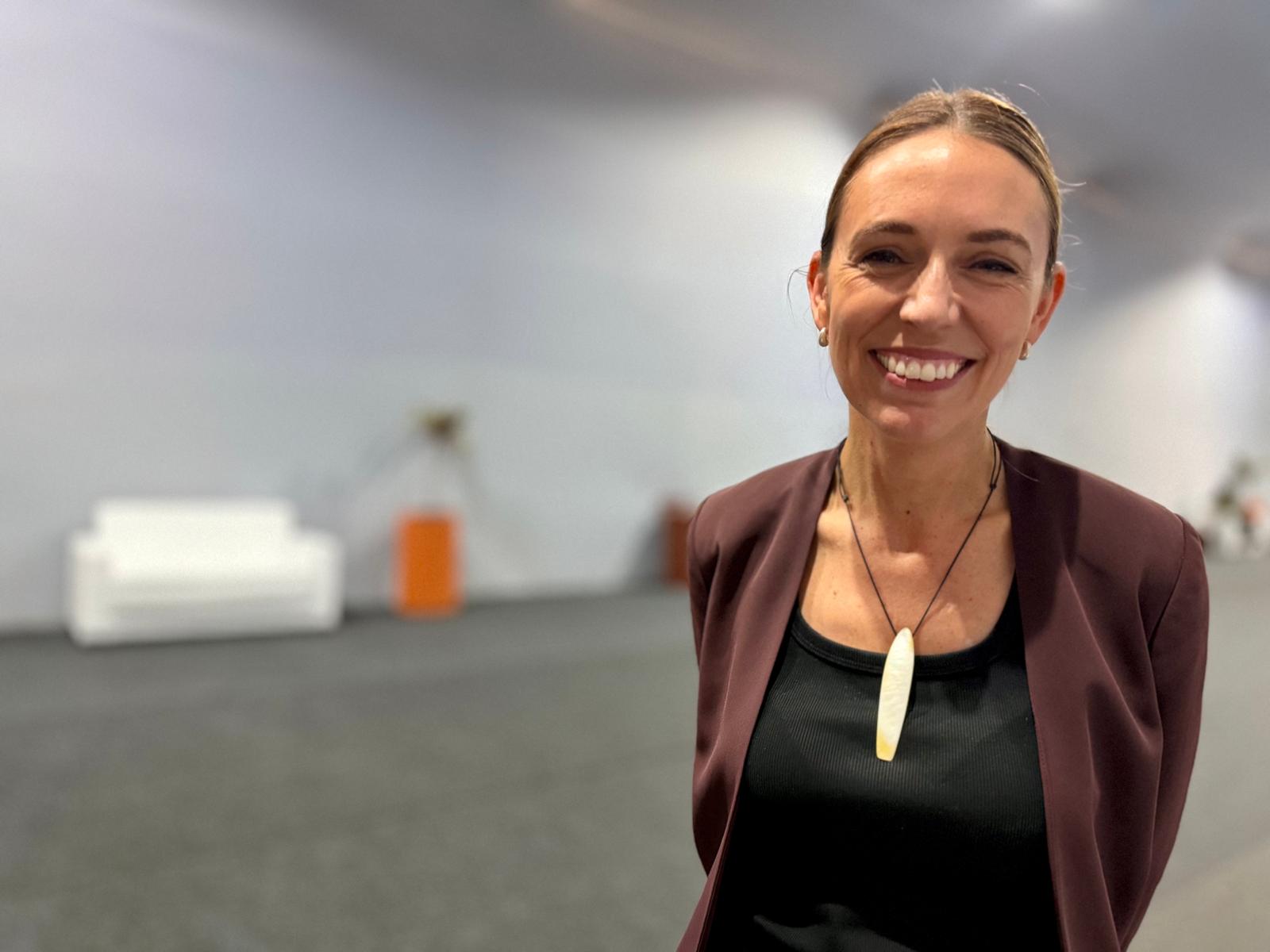
It’s been a busy week in Belem for Dame Jacinda Ardern, former Prime Minister of New Zealand. Leaning into yet another global role, this time as COP30 Special Envoy for Oceania, she is working with all Pacific Island nations including Australia and New Zealand, to ensure regional priorities are represented at the climate summit in Belém, Brazil.
The appointment highlights the vulnerability of low‑lying Pacific states to rising seas and extreme weather, while also pointing to opportunities in renewable energy and sustainable development. Ardern’s task? Growing meaningful dialogue between Oceania and the COP30 Presidency, helping inject Pacific urgency and regional perspectives into the negotiations.
Our brief conversation with Dame Jacinda provides an insight into her role as one of seven international Special Envoys, and one of 29 envoys in total to the COP30.
TPL: Congrats on the gig as the Oceania Special Envoy. What appeals most to you about that role?
JA: The chance to work alongside the region that I love and that I call home. That was the most appealing part of the role.
TPL: What about the the importance of the links that are possible –bridging the Amazonian Forest COP with the Oceans people, with Oceania?
JA: Yes, you know you heard the (PNG) Prime Minister yesterday (at Climate Summit)– and we’ve had a number of Pacific leaders actually talk about the importance of linking forest initiatives with ocean initiatives so I think one of the really exciting opportunities is to start thinking thoughtfully about what are the oceans–what’s the version of some of the protection and preservation packages we’ve seen, the incentives to preserve rather than exploit and how we can replicate that for the Oceans. We’ve got some great examples of that in the Pacific already -not least of course Niue’s Conservation bonds, how can we scale that up for the benefit of the region?
TPL: There’s also been mention of the ICJ-AO- the moral authority has been talked about here. How does the ICJ ruling ramp up the legal responsibility and how have you been embracing that?
JA: Of course, it’s an advisory opinion but its an opinion none the less and I hope that when countries look to that Advisory Opinion, they start thinking less about 1.5 of having optionality, of something that we aspire to. It is more than aspiration. It was a collective commitment that we have now an opinion telling us that there is obligation to fulfil. I do feel frustration when I hear sometimes in one breath, we shouldn’t feel downtrodden, look at all the progress made. Of course the most recent UN report pointing to the fact that now we’re looking at warming up between 2 .3 and 2 .5, which is an improvement and I acknowledge that, but it is not enough for our region and we cannot allow others to discount that improvement as being sufficient and that is what I think the ICJ tells us.
TPL: How will you be leveraging your voice as champion or Special Envoy for Oceania, noting where we often have the Pacific coming in strong like the rest of the world but all too often COP ends on a note of despair?
JA: Yes, and my view is the best I can do is first and foremost, ensure that at every opportunity the Pacific is able to use the voice, the strong voice that it has, and that I will simply amplify that where I can. I do believe that one of the best things I can do right now, alongside getting on the agenda the ambition gap with the NDCs is actually get COP into our region. There is something about bringing people to the frontline. And the Australia hosting and partnership with the Pacific would not only be an opportunity to put in headlights the impact of climate change in our region, it’s also a chance for us to put forward positive messaging around the core role of oceans. They are our great stabiliser, preservation and protection of our ocean should be at the core of the climate agenda, rather than the sidelines. So not only do we of course have to hold on COP30 being an importance place for discussions on climate finance, NDCs, and 1.5, let’s look to the opportunity that the next COP could potentially bring.
TPL: Will you be meeting with Turkiye in that regard?
JA: I took the opportunity when I came across the rep form Turkiye yesterday to raise my strong view that its time for a COP31 in our region, and I am doing that with every other leader that I had the chance to talk with. Obviously, it’s a complex decision-making process but I will use every opportunity that I can to advocate for that.
TPL: What of your immediate priorities from the Climate Summit and beyond COP 30?
JA: At the moment, core priorities are making sure that the ambition gap with the NDCs is able to be debated and discussed. Because the current situation where we have roughly a third of countries who haven’t even submitted their NDC’s (Nationally Determined Contributions) I think just points to how important that issue is. Climate Finance continues to be a big issue, and so I will also advocate for improved access and removing the barriers that generally Small Islands States face, whilst promoting the Pacific Resilience facility as well. Transitions away from fossil fuels has always been core to the Pacific agenda as well. The endorsement of the TRFFF, the tropical rainforests forever, because it will benefit the likes of PNG, I think is also important. And then finally- oceans, oceans, oceans.
TPL: Just checking in with you on New Zealand — (as former PM) you took the climate agenda probably further than any other leader. Are you happy with where it’s at now under the current government?
JA: One thing I will say as the Oceania Special Envoy–perhaps helpfully- it’s not my role to speak on behalf of any one individual nations position but rather to amplify the voice of the region and I think there is still a clarity of voice within the region and so that is what I am working very hard to amplify, and of course people will know my personal view as well. 1.5 was at the core of everything we focussed on as a government because we saw it as our obligation as a country within and of the Pacific to be at front and centre so I will of course encourage every nation to hold on to the importance of 1.5 – and do their bit.
TPL: Your message then to the people of the Pacific, many of them watching TV screens where they are not seeing enough of their Pacific leaders as they watch news of this COP?
JA: What I can tell you is that Pacific leaders are giving their all to this issue and they have done for years. So, my message to the Pacific is that in my view they are being well served here by their leaders who are using every avenue they have available to them. The issue is not whether they are using their voice, it is whether the rest of the world is listening–and so that’s our job, is to make sure they hear, they listen, and they act.