“Communications and media play a significant role in ensuring our region reaches its goals,” said Gen Ilolahia, co-founder of Moanan in Auckland, New Zealand, describing a recent regional media training as “a great initiative to build media capacity across the Pacific.”
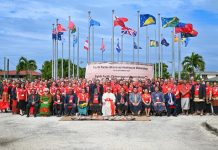
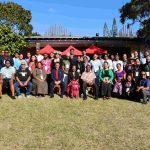
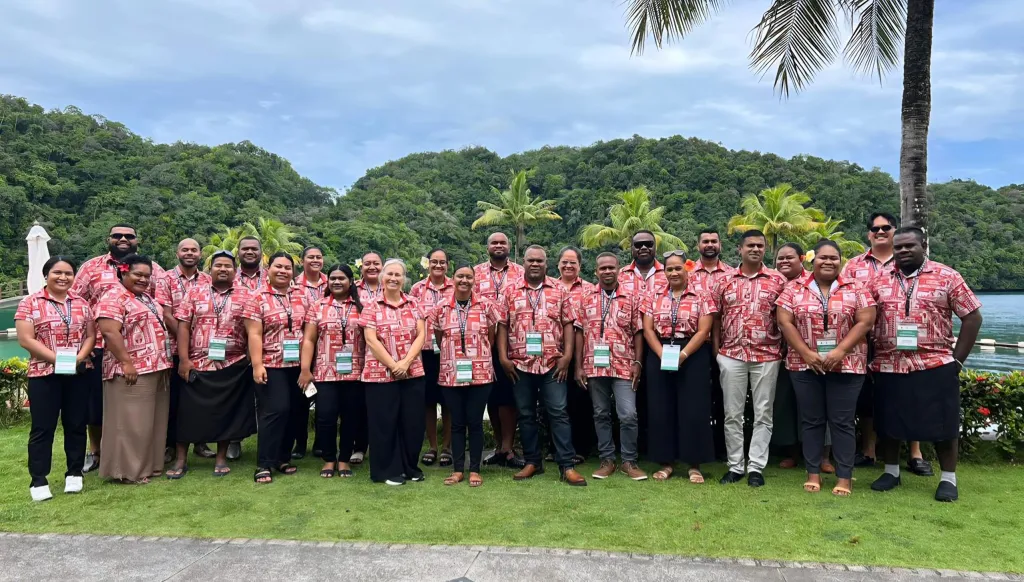
From November 3 to 7 November, journalists and communication professionals from across the region gathered in Palau for a masterclass focused on disaster preparedness and response reporting.
The training integrated advanced tools such as artificial intelligence to enhance early warning systems and risk reduction efforts, aiming to strengthen how media informs and protects communities before and during disasters.
Ilolahia said the initiative marked an important step toward building stronger regional networks and urged deeper engagement with local communities. “Perhaps more time with local Palauans to hear their story,” he added.
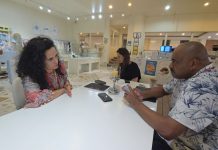
Palau Wave Radio journalist Moiwai Andreas described the masterclass as “really informative and meaningful,” noting it helped her cover the concurrent Disaster Risk Management Meeting more effectively despite scheduling conflicts.
“I learned that reporting should always be clear and easy to understand. It’s important to avoid technical terms and write in a way that even an elementary student can follow,” Andreas said.
She also expressed hope for greater participation from Palauan journalists in future sessions.
From Kiribati, communications officer Sibete Ietaake said the programme had a transformative effect on her career.
“It was a different experience but very crucial to both my professional and personal development,” she said. Ietaake said she gained valuable insight into simplifying complex information and building professional networks.
“I will definitely utilise the networking I made with everyone at the Masterclass!” she said, adding that she hoped for more feedback on her disaster risk management stories to improve future reporting.
Merana Kitione, representing the Pacific Community (SPC), said the masterclass was designed to strengthen collaboration among three essential national-level sectors: journalists, National Disaster Management Offices (NDMOs), and National Meteorological Services.
“These are the three sectors that work closely together when disaster strikes, particularly in communicating critical messages,” Kitione said.
She praised the comprehensive coverage of a recent ministerial disaster risk management meeting and highlighted the benefits of collaboration between SPC’s Climate and Ocean Support Program and national meteorological offices.
“It has been very beneficial to sit in the same room with the media and the MDMO and discuss how we can work better together,” she said.
Nelson Anaia from the Solomon Islands’ NDMO echoed those views, emphasizing the importance of linking disaster management professionals and journalists.
“Workshops like this should be held regularly to enable disaster risk management personnel to share knowledge with journalists,” Anaia said.
“They play a critical role in delivering disaster messages, including early warnings and awareness, and educating the public.”
Anaia, who manages disaster response in the Solomon Islands, said the masterclass helped him better understand how journalists report on emergencies. “Linking DRM with the media is essential. We have done this back home, but the workshop will help us improve further,” he said.
By fostering stronger networks among disaster management agencies, meteorological services, and the media, participants agreed the training underscored one central lesson: clear, timely communication saves lives when disaster strikes.