Vanuatu’s Ministry of Health (MOH) has recorded a total of 14 people currently living with HIV (Human Immunodeficiency Virus), a virus that weakens the immune system and can develop to AIDs if left untreated.
These cases were reported over a five-year period and are mostly transmitted by expatriates, according to the HIV Unit Manager, Florida Toa.
Manager Toa said the number of cases does not show if HIV is increasing or decreasing, as more testing is needed to accurately assess the situation.
Currently, only certain groups are being tested, but more testing is needed to get a full picture of the whole population, she said.
Director General (DG) of the ministry, Shirley Tokon, said that some of these cases were identified through blood tests at the hospital or during antenatal check-ups for pregnant women.
She said the ministry cannot confirm at this stage if Vanuatu students abroad or seasonal workers are at high risk due to lack of testing, but assumptions can be made as they are coming from high-risk countries.
The DG urged citizens to take responsibility for their health by practising safe sex, sticking to one partner, getting tested, and following health advices.
“Whether in Vanuatu or abroad, people must really listen to health advices,” she said.
While its a challenge with people still afraid to get tested or ask for information it’s important to start having conversations about it, said the DG.
She said an increase in HIV cases would put a strain on the country’s health system, as it will need to continue supplying the medications.
“With HIV, you can still enjoy life as a normal person as long as you take your medication. We (the ministry) will need to cover the cost of medication for those who will rely on it for their entire life, so that’s costly,” she said.
“Currently, Non-Communicable Diseases (NCDs) are already consuming a large portion of the government’s budget. There will be economic impact because we have a health system where people rely on the government, as many of us do not have medical insurance.”
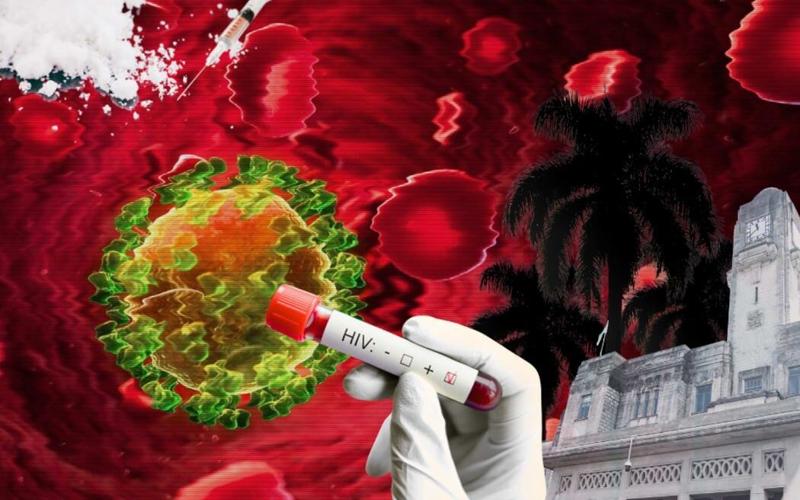
Recently, health experts have warned that Fiji’s rapidly rising HIV infection rate could spread across the Pacific if urgent action is not taken.
DG Tokon said the rising cases in neighbouring countries are a worry.
She said they have discussed with Fiji’s Ministry of Health the support they can offer regarding advice on facilities where Vanuatu student can seek care, and also how they are strategically addressing the current situation.
She said Fiji’s situation driven by drug use practices is beyond their health ministry, involving other sectors. They are struggling, but they are more transparent in addressing the issue and have more resources, she said.
“How to address the issue depends on each country’s context,” she said.
Manager Toa said the ministry is focussing on prevention to ensure citizens are aware of the situation and practise safe sex behaviours.
According to the DG, MOH has internal policies, an action plan, and strategies for managing HIV, but are focus on situations within the country, meaning that they need to approach the rising trends in Fiji differently.