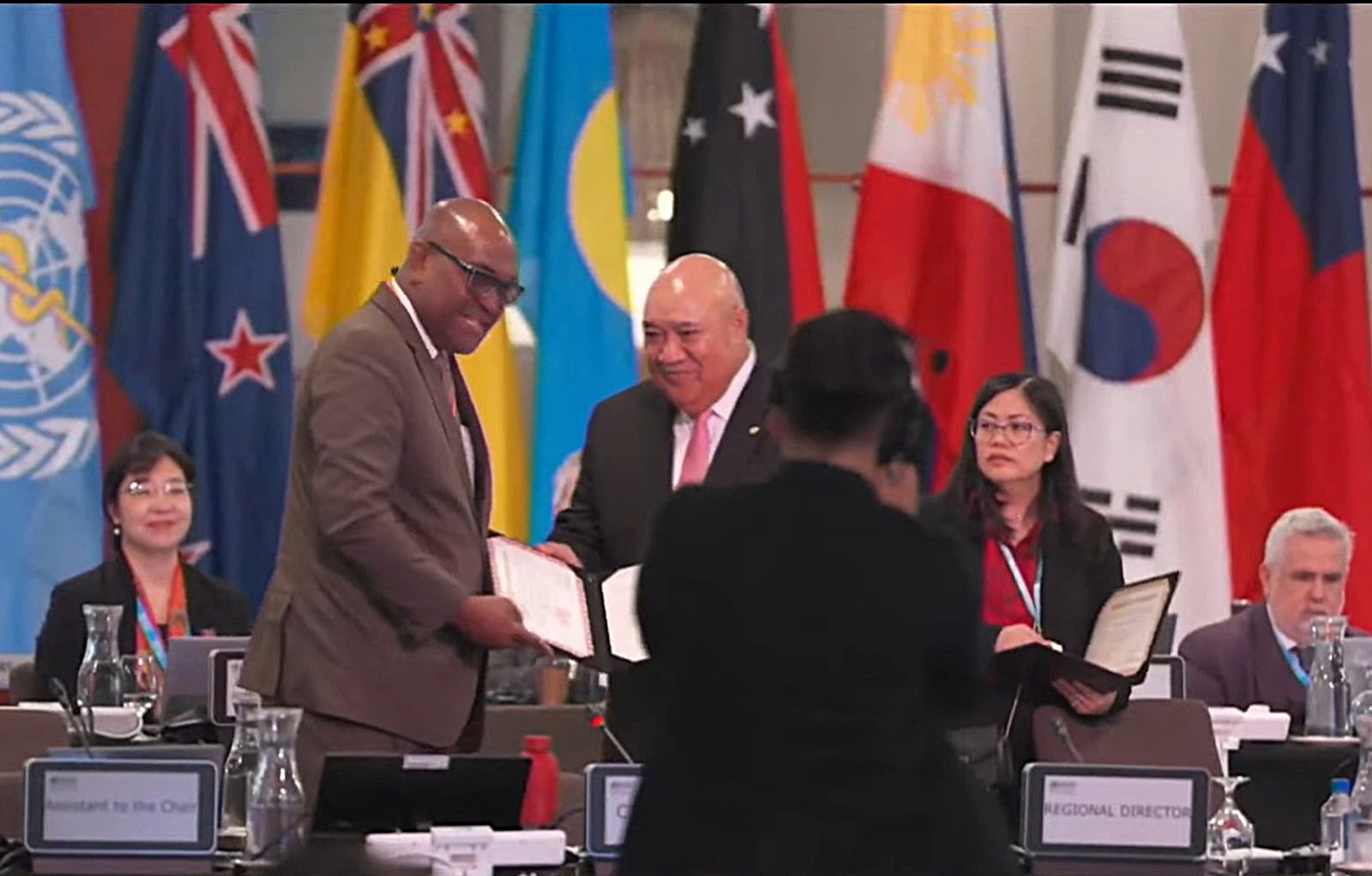
Fiji has achieved a historic public health milestone, with the World Health Organisation (WHO) officially recognising the country for eliminating measles, rubella, and trachoma as public health problems.
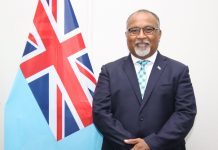
Health and Medical Services Minister Dr Ratu Antonio Lalabalavu told Parliament the recognition marked “a proud moment in Fiji’s health history” a result of decades of commitment by health workers, communities, and partners.
“These recognitions are testament to decades of sustained commitment by our Ministry, our communities, and our partners, and demonstrate the strength, resilience, and leadership of Fiji’s health system,” Dr Lalabalavu said.
The last WHO elimination declaration for Fiji was for polio in 2000. Twenty-five years later, the country now joins a small group of nations that have successfully eliminated three major infectious diseases.
Dr Lalabalavu reminded Parliament that measles once devastated Fiji, with the 1875 outbreak killing nearly a quarter of the population. But through decades of vaccination and improved medical care, the disease has been brought under control.
“The last confirmed case of measles in Fiji was reported on 19 March 2020, and no endemic transmission has since occurred,” he said.
Fiji’s 2019–2020 measles outbreak, which saw 31 confirmed cases but no deaths, was contained swiftly through rapid response and a mass vaccination campaign covering more than 300,000 people.
Rubella, another long-standing health threat, has been eliminated since 2013, with the last confirmed case in 2016.
“Through high vaccination coverage and strengthened surveillance, rubella circulation has been eliminated for nearly a decade,” Dr Lalabalavu said.
Fiji’s verification process for measles and rubella elimination followed WHO standards, which require no endemic virus transmission for at least 12 months, robust surveillance, and high vaccination coverage exceeding 95 percent.
Dr Lalabalavu said Fiji’s elimination verification was more complex than most countries because it was conducted as part of a collective sub-regional review with 20 other Pacific Island nations.
“In summary, measles and rubella have been eliminated in Fiji through maintaining high levels of vaccination coverage in the childhood immunisation program, maintaining surveillance for early detection of cases, establishing and maintaining confirmatory measles laboratory testing, and deploying rapid and effective outbreak response,” he said.
“Regional solidarity and effective coordination with partners, including WHO and UNICEF, has also been instrumental.”
He warned, however, that maintaining elimination status requires continued vigilance. “Other countries that were previously verified lost elimination status when the virus once again took hold. Key to maintaining our elimination status will be essentially the same actions that resulted in our verification,” he said.
Once a leading cause of blindness in Fiji, trachoma is now officially eliminated as a public health problem.
“Trachoma, once a leading cause of blindness in Fiji, was widespread in the 1950s with prevalence exceeding 20 percent among children in some areas,” Dr Lalabalavu said. “Today, following sustained national action, the prevalence of active trachoma has fallen to below 1 percent, with no cases of blinding trachoma recorded since 2015.”
The elimination was achieved through the WHO-endorsed SAFE Strategy — Surgery, Antibiotics, Facial cleanliness, and Environmental improvement.
Dr Lalabalavu said strong partnerships with the Pacific Eye Institute, Fred Hollows Foundation, and local health divisions helped transform hygiene practices across communities.
“Long-term investment in water, sanitation, and hygiene (WASH), school-based education, and community empowerment ensured that facial cleanliness and hygiene are now everyday habits across Fiji,” he said.
The WHO validated Fiji’s elimination status in October 2025 after a thorough review of data collected between 2019 and 2024. “Fiji is the 26th country to eliminate trachoma as a public health problem,” Dr Lalabalavu said.
According to Dr Lalabalavu, the benefits go beyond health.
“The elimination of measles, rubella, and trachoma delivers profound benefits to Fiji,” he said. “Reduced disease-related healthcare costs, improved workforce productivity, enhanced educational outcomes, and greater gender equity.”
He said these achievements highlight the success of Fiji’s primary health care approach focusing on prevention, community engagement, and inter-sectoral collaboration.
“The integration of immunization, disease surveillance, WASH programs, and eye health within primary health care demonstrates that investment in preventive health infrastructure and community engagement yields sustainable results,” he said.
Dr Lalabalavu said the Ministry will continue to strengthen surveillance, maintain high immunisation rates, and ensure equitable access to health services across all communities.
“Maintaining elimination requires continued vigilance and investment,” he said. “The Ministry will continue annual surveillance reviews, refresher training for health staff, and maintain outbreak response capacity.”
He also pledged Fiji’s continued support for other Pacific nations striving toward similar public health goals.
“These recognitions by the World Health Organisation mark a proud moment in Fiji’s health history,” Dr Lalabalavu said.
“They belong to every healthcare worker, community nurse, teacher, and partner organisation that has worked tirelessly to protect the sight, health, and lives of Fijians.”
“Fiji’s elimination of measles, rubella, and trachoma demonstrates that with sustained commitment, scientific excellence, community solidarity, and collective action, public health victories are not only possible — they are lasting,” he said.