
By Jean Marc ‘Ake, USP intern
With the 30th United Nations Climate Change conference (COP30) in Belém, Brazil, looming closer, Vishal Prasad, the Director of the Pacific Islands Students Fighting Climate Change(PISFCC) and other activists are set to make their mark on the world stage yet again.
The PISFCC were responsible for demanding legal accountability for climate change at the International Court of Justice.
What unfolded was the biggest case in history and the delivery of the ICJ’s Advisory Opinion on states’ obligations in relation to climate change.
This historical landmark decision has major implications for accountability, ambition, and climate diplomacy heading into COP30.
During an online media briefing on Wednesday, Prasad stated that the ICJ’s ruling acts as a guideline of informing the world of what must be done and how to measure action.
With this legal clarity, Prasad said they will demand two things at COP30 that would ensure compliance with international law.
“First is that the ICJ reiterates that the IPCC (Intergovernmental Panel on Climate Change) is the best available science for global climate policy and states that and states that it must use all the means at their disposal to prevent climate harm, said Prasad. “That means regulating the full life cycle of fossil fuels from production, licensing, consumption, and subsidies.”
“The advisory opinion confirms that states must cooperate in good faith to prevent significant climate harm and that this cooperation must be anchored in the 1.5° C limit.”
Prasad explained that if a policy or a plan is inconsistent with the 1.5° C goal or props up fossil fuels, it is on the wrong side of international law.
They will demand an outcome that translates this into practice, as well as commitment to end fossil fuel and phasing out, as well as the end of fossil fuel subsidies, which Prasad says are necessary steps to discharge legal obligation.
Their second demand is reiterating the ICJ’s statement that developed countries have a legal obligation to provide finance.
This applies for reparations through the loss and damage funds for climate harm that have been suffered.
Prasad said that this fund should be capitalised and operational with direct access for frontline communities.
“The advisory opinion strengthens the case that reparations for climate harms already suffered are not optional add-ons…the flow from the duties that have now been clarified by the court.”
What this would mean is that developed countries with greater historic responsibility and capacity would be expected to move first and at a larger scale by pledging and providing real money and clear timelines.
“Our message at COP is clear and very simple: end fossil fuels, fund the transition and protect rights,” he said.
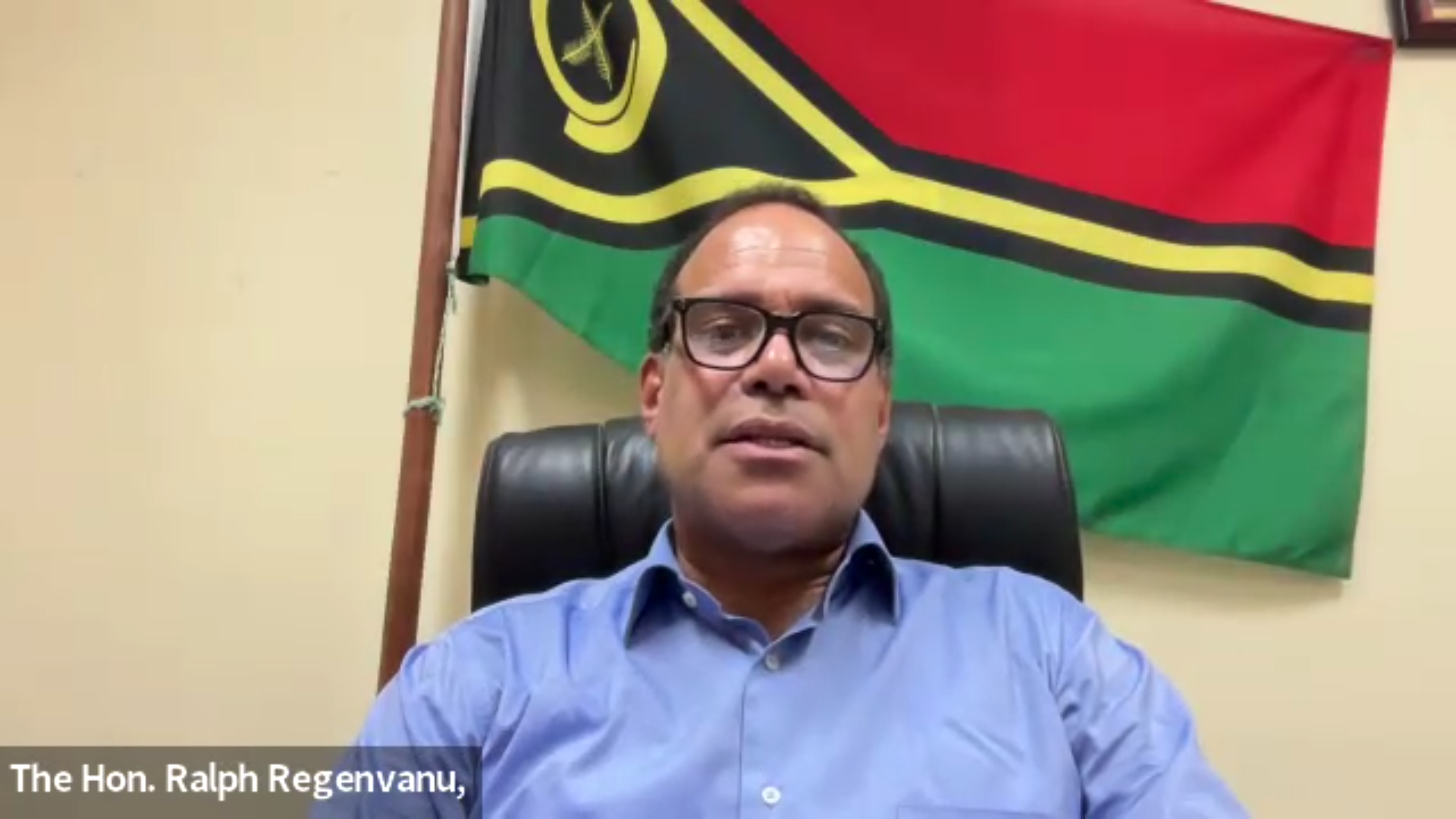
Meanwhile, Vanuatu’s Minister of Climate Change, Ralph Regenvanu, was also present at the briefing together with Dr Sindra Sharma from the International Policy Lead at the Pacific Islands Climate Action Network (PICAN).
Regenvau said that Vanuatu is working on a resolution to bring the advisory opinion to the general assembly in New York.
“We are now working on a resolution to bring it back, to get another vote on the floor of the general assembly to accept and adopt the advisory opinion and also to emphasise certain actions coming out of it that will operationalise the obligations outlined in the AO.”
The draft for this resolution, which is a collaboration between a core group of states, is expected to be released this week by the UN.
Regenvanu said his nation will take the resolution to the COP and socialise it with the hopes they could then take it to the general assembly in December or January.
He cited that one of the reasons they’ve decided to do this is because they have low expectations of COP, and they expect that some of the frustration that will arise from COP would add to the support for the resolution at the UNGA.
Dr Sharma echoed Prasad and Regenvau’s comments for the need for policies to keep up with climate science.
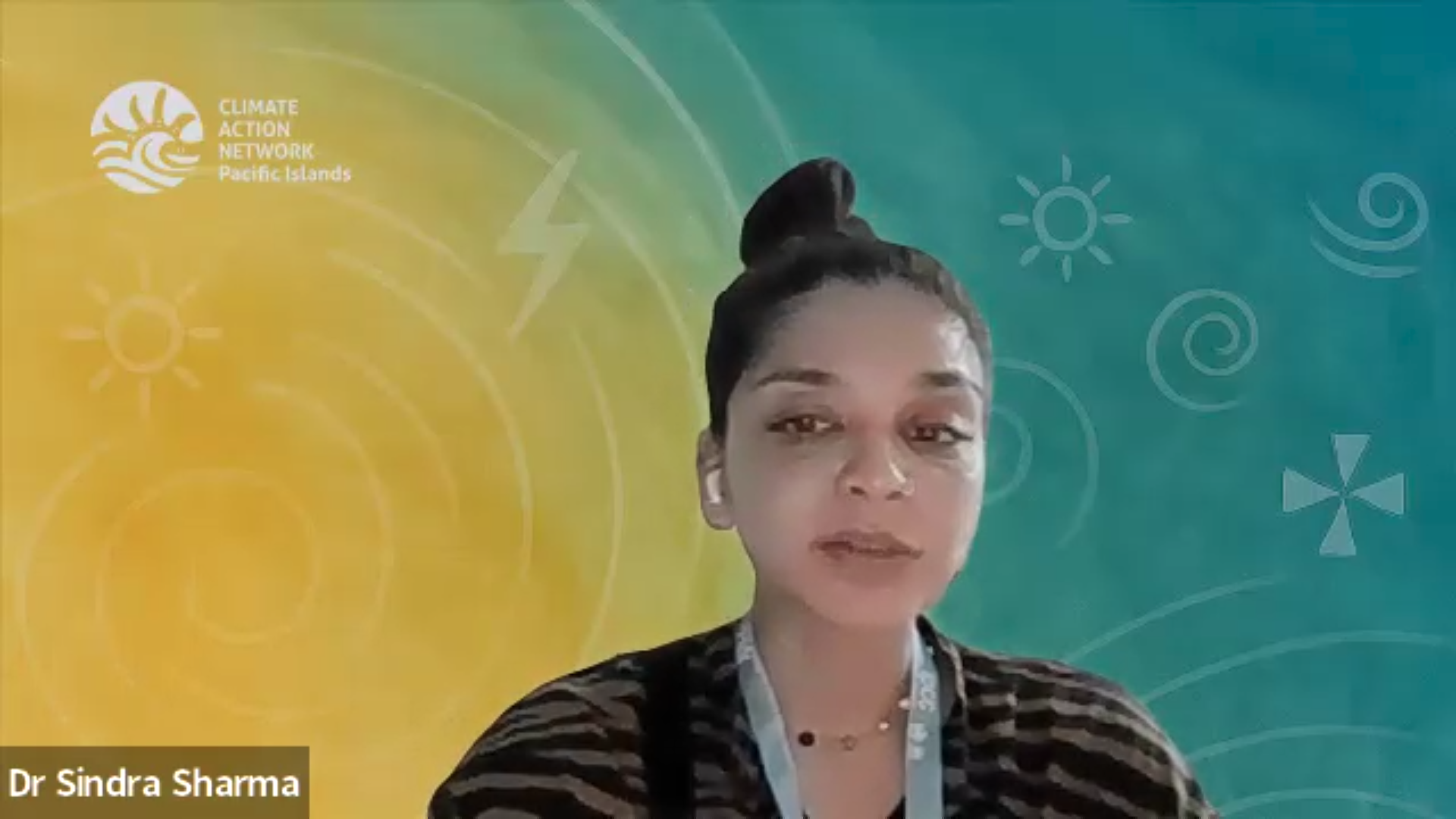
She said that science no longer just guides the law but sets the due diligence standard.
It’s with this sentiment that they’re going into this COP30 with which is of course correcting the trajectory of travel in accordance with the NDC, which is limiting global warming to 1.5 degrees Celsius.
“So, at COP30, this means a 1.5 align pathway is not just optional language.”
“It’s a legally relevant reference point for judging adequacy, and it means that near-term real economy reductions in CO2 are non-negotiable and action on short-lived pollutants like methane are definitely necessary, but it’s not a substitute for deep reductions in CO2 emissions we need to see.”
“So, addressing the core problem of fossil fuels.”
COP30 will run from 10 – 21 November and will feature a special head of state summit between 06 – 07 November.