

By Jean Marc ‘Ake, USP Student Intern
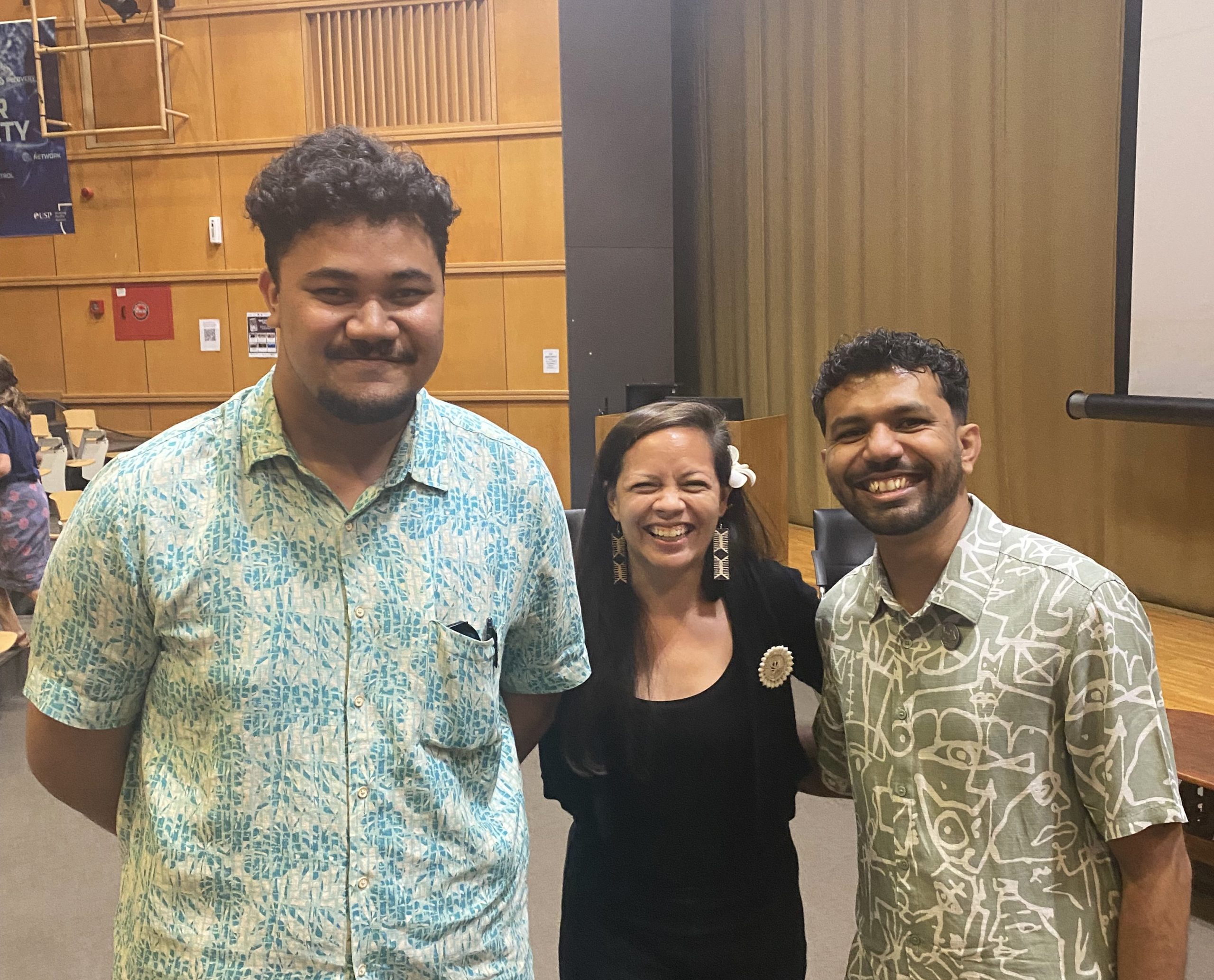
The Director of the Pacific Islands Students Fighting Climate Change (PISFCC), Vishal Prasad said there is a need for collective responsibility in pushing the International Court of Justice’s (ICJ) advisory opinion on climate change.
This climate ruling by the ICJ aimed at urging countries to address the climate crisis was a historic win for the Pacific region and has become the UN world court’s biggest case ever.
However, moving on, there are questions on how the PISFCC can make sure countries abide by international climate law and do not ignore what they’ve been fighting so hard to achieve.
Vishal says that, “pushing the advisory pin falls on all of us.”
“Whether we’re in academia, whether we’re in governments and civil society and regional organisations.”
“It’s important that the findings of the opinion are re-articulated, reinforced in everything we do so that we’re able to build that as the baseline now.”
“The ICJ has clarified that this is the baseline, this is what countries need to do, we need to now keep reinforcing it and hold governments accountable.”
“There are a number of tools that we can use; at COP, for example, our negotiating hand has now been strengthened because of this advisory opinion.”
Vishal said this during the screening of feature documentary YUMI at the 5th Pacific Human Rights Film Festival on Wednesday.
The film follows the PISFCC’s journey to deliver the advisory opinion on climate change to the ICJ from 2019 to 2024.
At the same time, Prasad revealed that their next step is finding a resolution to help reinforce the findings of the ICJ at the UN level and create mechanisms that can help address some of the injustices or structural impediments that small island states and climate vulnerable countries around the world have faced.
Prasad said that the Vanuatu government is planning on setting up a follow-up UN General Assembly resolution.