
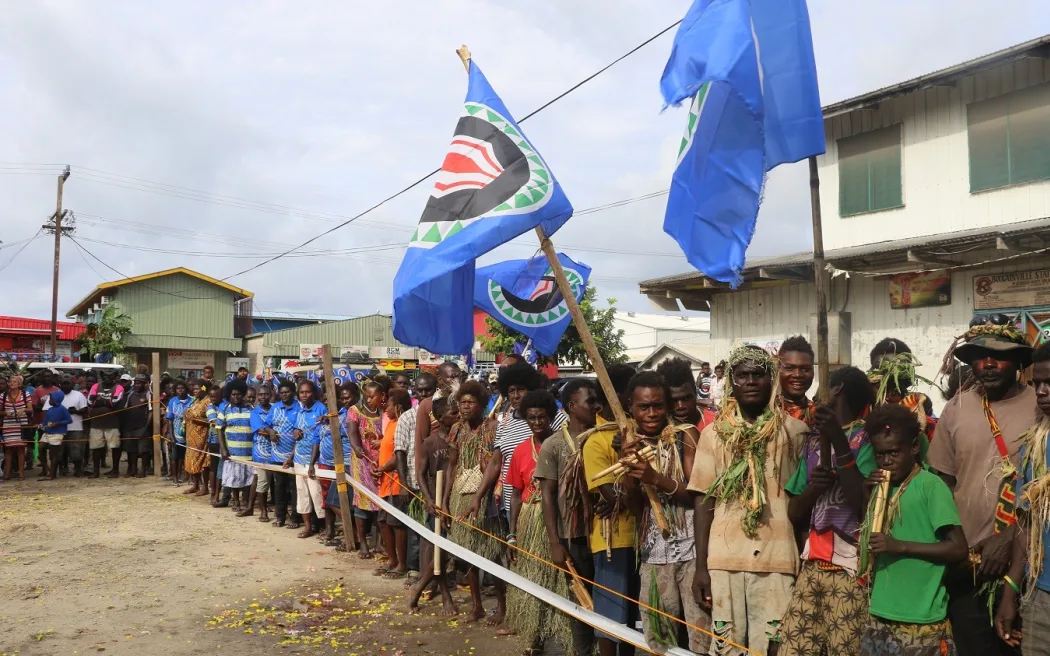
As the Autonomous Region of Bougainville heads into its general election in 2025 and goes to the polls tomorrow (Friday), the region finds itself at a historic and precarious juncture.
The vote will choose the political leaders tasked with one of the most daunting challenges in the modern Pacific: steering the region from post-conflict autonomy to potential full independence from Papua New Guinea.
The upcoming polling is not merely a routine democratic exercise. Analysts and locals alike frame it as a referendum on leadership style and strategy at a time when the region’s future hangs in the balance following the overwhelming vote for independence in the 2019 referendum.
This is the most critical election in Bougainville’s history. The new government won’t just be managing roads and health clinics. It will be negotiating the final political status of Bougainville with PNG. The stakes could not be higher.
The shadow of the 2019 referendum, where an astonishing 97.7 percent of voters chose independence, looms large over the campaign. However, the non-binding result kicked off a complex and often stalled process of “ratification” through the PNG Parliament.
The current Bougainville government, led by President Ishmael Toroama, a former revolutionary leader, has pursued a firm line on immediate independence. Yet, progress has been slow. Port Moresby, citing concerns over financial sustainability and fears of setting a precedent for other restive regions, has advocated for a longer timeline and greater economic self-reliance first.
“The next president must be a master of both diplomacy and determination,” said Simon Pentanu, former Speaker of the Bougainville House of Representatives. “They need the respect of the chiefs and the ex-combatants at home, and the political savvy to negotiate as an equal with Port Moresby and international partners.”
Several critical issues that have emerged during the campaign period:
1. The Negotiation Strategy: candidates have defined their approach to the independence talks. Will they continue Toroama’s unwavering push, while some have advocated for a more gradualist approach, perhaps even considering a modified form of autonomy if full independence proves unattainable in the short term?
2. Economic Development: Bougainville remains heavily dependent on grants from PNG. Reviving the economy is a universal pledge, but the ghost of the Panguna mine, whose closure sparked the civil war, is ever-present. Candidates have articulated their visions for economic development that move beyond mining to agriculture, tourism, and fisheries, while navigating deep-seated community fears about resource exploitation.
3. Unity and Reconciliation: Despite peace, underlying tensions from the conflict persist. The new government must continue to foster reconciliation among former factions to present a united front during the final status negotiations.
4. Service Delivery: For many voters, independence is abstract without tangible improvements in daily life. Candidates will be judged on their records and promises regarding healthcare, education, and infrastructure.
President Toroama is leveraging his status as a historic independence leader. However, he will likely face strong challenges from current cabinet ministers, former commanders from other factions, and perhaps technocrats promising a new style of governance.
The people are watching, and Bougainville have voted for freedom, and needs leaders who can deliver much-needed social services and economic prosperity for the region.
The political situation is being closely monitored by regional powers. Australia and New Zealand, key aid partners and security allies in the Pacific, have a vested interest in a stable and prosperous resolution. China and the United States, vying for influence in the region, will also be watching for any strategic opportunities that a new nation might present.
The 2025 election is Bougainville’s moment of choice. It will determine the faces and the strategy for the final leg of a journey that began with a brutal war and a hard-won peace. The voters will not just be electing a president; they will be choosing the architect of their future.