



By Dr Transform Aqorau
On 24 July 2025, the International Court of Justice (ICJ) delivered a historic ruling – one that began not in the grand chambers of global power, but in the determined hearts of Pacific youth, activists, and governments who dared to ask the world’s highest court: What does international law say about climate change?
The answer? A powerful affirmation: States have binding legal duties to protect the climate – or be held accountable for their inaction.
This was no mere opinion. This was a declaration of rights, duties, and justice – and it was made possible by the leadership of Pacific Island nations. As someone who has followed this journey from its grassroots beginnings to its courtroom culmination, let me share what this moment means for our region and our future.
From the Frontlines of Climate Change to the Frontlines of International Law
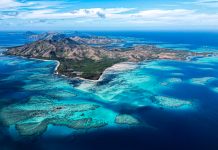
For decades, Pacific Island nations like Vanuatu, Kiribati, Tuvalu, the Marshall Islands, and others have warned the world that climate change is an existential threat – rising seas, bleached reefs, cyclones that wipe out decades of development, and cultures at risk of vanishing.
Now, the ICJ has recognised our cries. It confirmed that:
Climate treaties like the Paris Agreement are not just political promises – they are binding obligations.
States that fail to reduce emissions or adapt to the crisis may be committing internationally wrongful acts.
Even countries not party to climate treaties are still bound by general international law – no one can pollute with impunity.
Why This Matters for the Pacific
This isn’t just a legal milestone – it’s a shift in power. Here’s what the ICJ opinion means for our islands:
1. A Legal Shield and a Sword: We now have the legal basis to seek reparations for climate harm. The door is open for Pacific Island states to demand compensation, justice, and meaningful climate finance – not as charity, but as legal right.
2. A Recognition of Our Rights: The Court declared the human right to a clean, healthy, and sustainable environment. This strengthens our fight to protect our people, cultures, and lands. Our children now have international law on their side.
3. Accountability for Polluters: Countries must not only control emissions – they must regulate fossil fuel companies and other polluters within their borders. The ICJ affirmed that governments can’t turn a blind eye to corporate pollution.
4. Moral and Diplomatic Leverage: In climate negotiations, we can now say: “It’s not just us asking. The World Court has spoken. The law is on our side.”
From Legal Victory to Regional Action
This ruling gives us a new toolkit, but it’s up to us to use it:
Let’s update our laws to reflect these international obligations.
Let’s bring the ICJ opinion to COPs, international courts, and funding tables.
Let’s educate our youth and communities that their fight changed the law.
Let’s work together – through SPC, SPREP, PIF, and FFA – to turn this legal win into local resilience.
A Message to the World: We Are Not Drowning, We Are Fighting
This ruling started with a Pacific student movement. It was championed by Pacific leaders. And it brought the world’s highest court to acknowledge what we’ve always known: that climate justice is not optional, it is owed.
Let us carry this decision with pride, purpose, and persistence. Because when the tides rise, so too must our voices – now stronger than ever, backed by the weight of international law.