
Australia’s recent election, described as a ‘Labor landslide’, has been received positively as a sign of stability in Pacific policy.
But an international relations expert warns that shifting global trade deals and tariffs may pose challenges for New Zealand exporters.
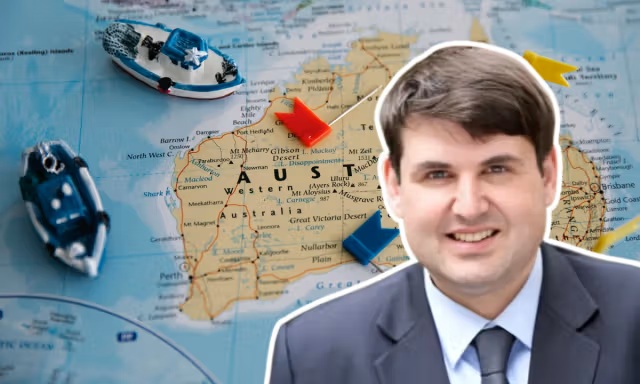
Speaking on Pacific Mornings, Geoffrey Miller said Anthony Albanese’s re-election as Australia’s Prime Minister emphasises that the continuity of key cabinet ministers with a vested interest in Pacific affairs is encouraging.
“Penny Wong in foreign affairs, Richard Marles in defence, Pat Conroy as the Minister for the Pacific … they’re going to be hitting the ground running,” Miller said.
“If you’re a Pacific state, you’ll be pleased about that … you know who you’re dealing with, you know the strategy, which is essentially more attention, more money, more development, more aid into the Pacific.”
The election outcome marks the first time in two decades that a prime minister has been re-elected, with opposition leader Peter Dutton defeated in his electoral seat.
Miller said if Australia secures the hosting rights for next year’s United Nations environmental summit, COP31, it will draw global attention to the Pacific region.
“For countries that are much further afield, it’s more abstract. They see the Pacific on the map, and they do understand the importance of the Pacific, particularly in the context of the strategic competition between the U.S and China.
“But they probably don’t have that direct experience in the same way that the likes of Australia and New Zealand typically do,” he said.
The Australian election comes as New Zealand reassesses its funding priorities. Last month, Defence Minister Judith Collins announced an additional $9 billion (US$5.34 billion)in spending over the next four years.
“This will raise New Zealand’s defence spending from just over one per cent of GDP to more than two per cent in the next eight years,” she said.
In a statement, Collins said the plan outlines the resources, equipment, and support needed to modernise the New Zealand Defence Force for a world that “is inherently more dangerous”.
“Our personnel are at the frontline of New Zealand’s security, they cannot do their jobs without the right equipment and conditions.”
But Miller said the allocation of funding is telling.
“There’s a temptation at the moment from a lot of countries to cut foreign aid and put that money into defence, and that’s the wrong decision, in my view.”
As larger nations seek to have U.S tariffs reduced, Miller advises that a cautious approach would be most effective for Aotearoa.
“We’ve seen the United Kingdom, they were chosen to do an early deal with the United States, China. It’s going to be the ‘big dogs’ really that have these deals done, New Zealand is in the back of the queue.”
New Zealand is facing a 10 percent tariff on its exports to the U.S, introduced last month.
Miller said the higher 25 percent tariffs on cars and steel are unlikely to affect New Zealand’s exports.
“New Zealand has the Tiwai aluminium smelter that exports around NZ$40 million(US$23.76 million) to the U.S each year, but it’s a relatively small amount of its production and a relatively small amount of New Zealand’s overall exports.”
While Miller acknowledges that New Zealand is “somewhat fortunate” to only receive the baseline tariff, he says there are concerns over including British beef in the U.S-UK trade deal, which may compete with New Zealand’s export quota.
“The United Kingdom is now able to export beef to the United States. It’s a relatively small amount, 13,000 metric tonnes, but New Zealand is a big beef exporter to the United States, and has a quota of around 200,000 tonnes to the United States at a preferential rate,” he said.
“If Trump does a deal with the EU, for example, and if tariffs are cut on wine below that 10 percent, then New Zealand exporters are going to be at a disadvantage,” said Miller.