
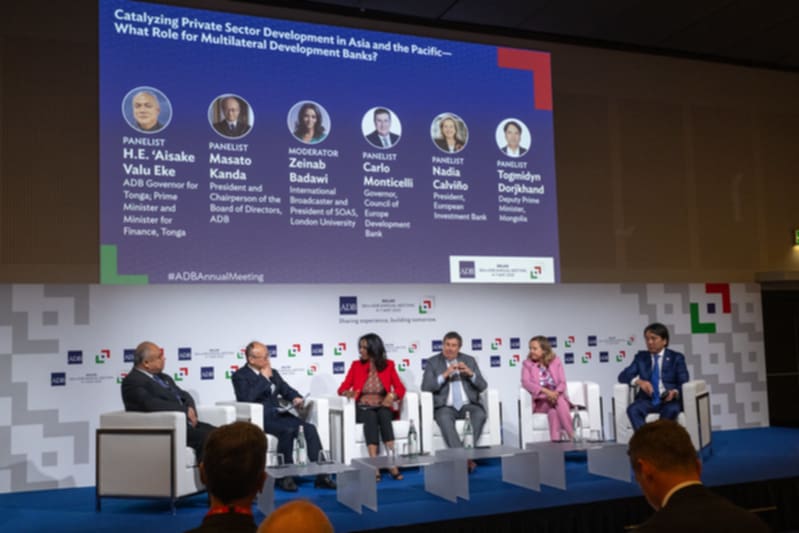
Leaders from governments and major development banks have called for deeper collaboration between multilateral development banks (MDBs) to boost private sector development in the Asia-Pacific region, during a high-level event at the Asian Development Bank (ADB) Annual Meeting in Milan on Sunday.
Italy’s Director General of the Ministry of Finance and Economy, Riccardo Barbieri Hermitte, said the growing presence of European multilateral institutions in Asia presents an opportunity for closer strategic partnerships.
He urged MDBs to leverage each other’s strengths to improve investment flows into productive and sustainable sectors.
“Data sharing is a powerful form of collaboration,” Barbieri said. “Improving the accessibility and quality of disaggregated data on investment risks and performance is vital to help investors make informed decisions.”
He pointed to a 2023 MDB working group on public procurement as an example of effective joint action, which enabled members to align on environmental standards and financial instruments. However, he acknowledged persistent challenges, including regulatory uncertainty and a shortage of bankable projects.
“Italy and its European partners are committed to nurturing a thriving private sector in the Asia-Pacific through closer, more resilient ties with MDBs,” he added.
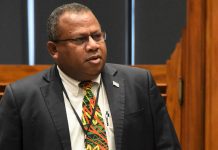
Tonga’s Prime Minister, Dr Aisake Eke, highlighted the constraints faced by small island developing states, where access to affordable capital remains a key hurdle.
“Tonga has potential for economic growth, but our financial system lacks depth,” he said. “Bank lending is limited, equity financing is hard to come by, and the cost of capital is prohibitive.”
Dr Eke welcomed the ADB’s move to introduce local currency bond issuance in Tonga for the first time this year, calling it a crucial step toward developing a secondary bond market to mobilise domestic liquidity.
“We need targeted strategies from MDBs to address the cost of capital and help us build functioning capital markets,” he said. “Equity financing, especially for women-led SMEs, is essential to foster inclusive growth.”
Nadia Calviño, President of the European Investment Bank (EIB), which holds a €600 billion (US$679 billion) balance sheet, reaffirmed the institution’s commitment to private sector support in Asia. She said roughly half of the EIB’s investments in the region are directed toward private sector projects, through loans, equity, and guarantees.
“Having detailed risk data is essential for attracting private capital,” Calviño said. “We must stay the course on multilateral cooperation—it has served the global economy well, and we are committed to deepening that reliance.”
She also endorsed Dr Eke’s call to invest in women-led businesses. “Investing in women means investing in stronger communities and more stable societies,” she said.
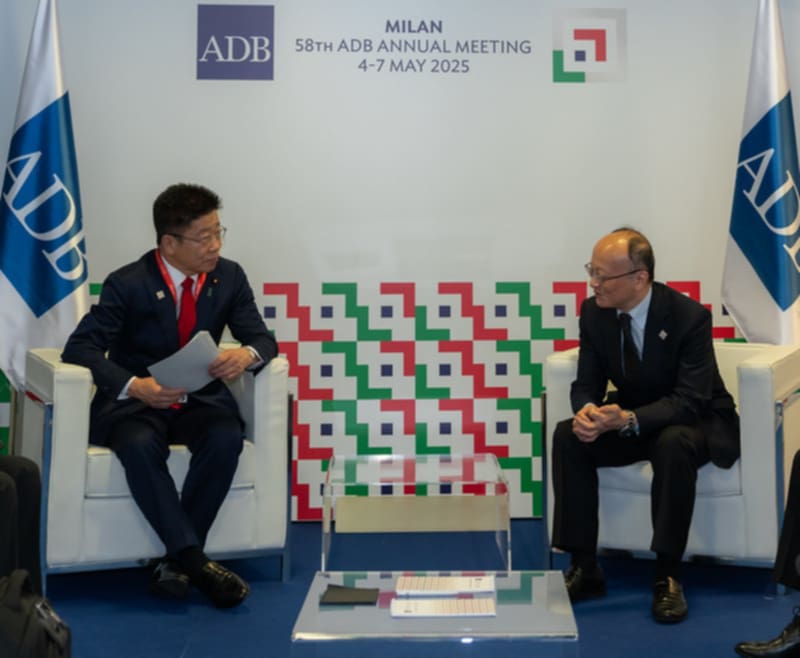
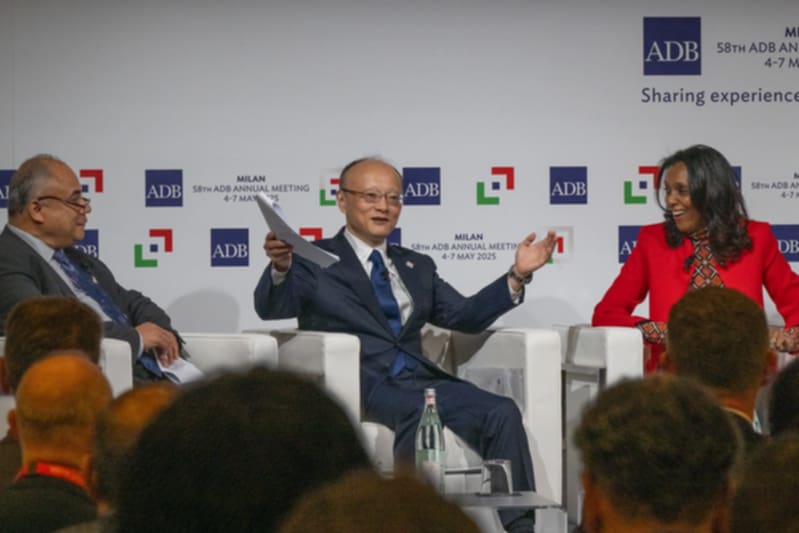
In a major announcement at the Annual Meeting in Milan, the ADB and the Government of Japan launched a new multi-donor trust fund called the ADB Market Acceleration Platform for Asia and the Pacific (AMAP)—to help developing countries strengthen private sector development, mobilise capital, and build long-term investment ecosystems.
The fund was formalised through a contribution agreement signed by ADB President and Japanese Finance Minister Katsunobu Katō on 3 May. Japan is the founding contributor, with an initial US$20 million commitment.
AMAP will support a wide range of activities including policy and regulatory reform, institutional capacity building, investment pipeline development, and de-risking structures. It will target sectors such as infrastructure, clean energy, financial services, and digital transformation, with special focus on frontier markets including the Pacific.