
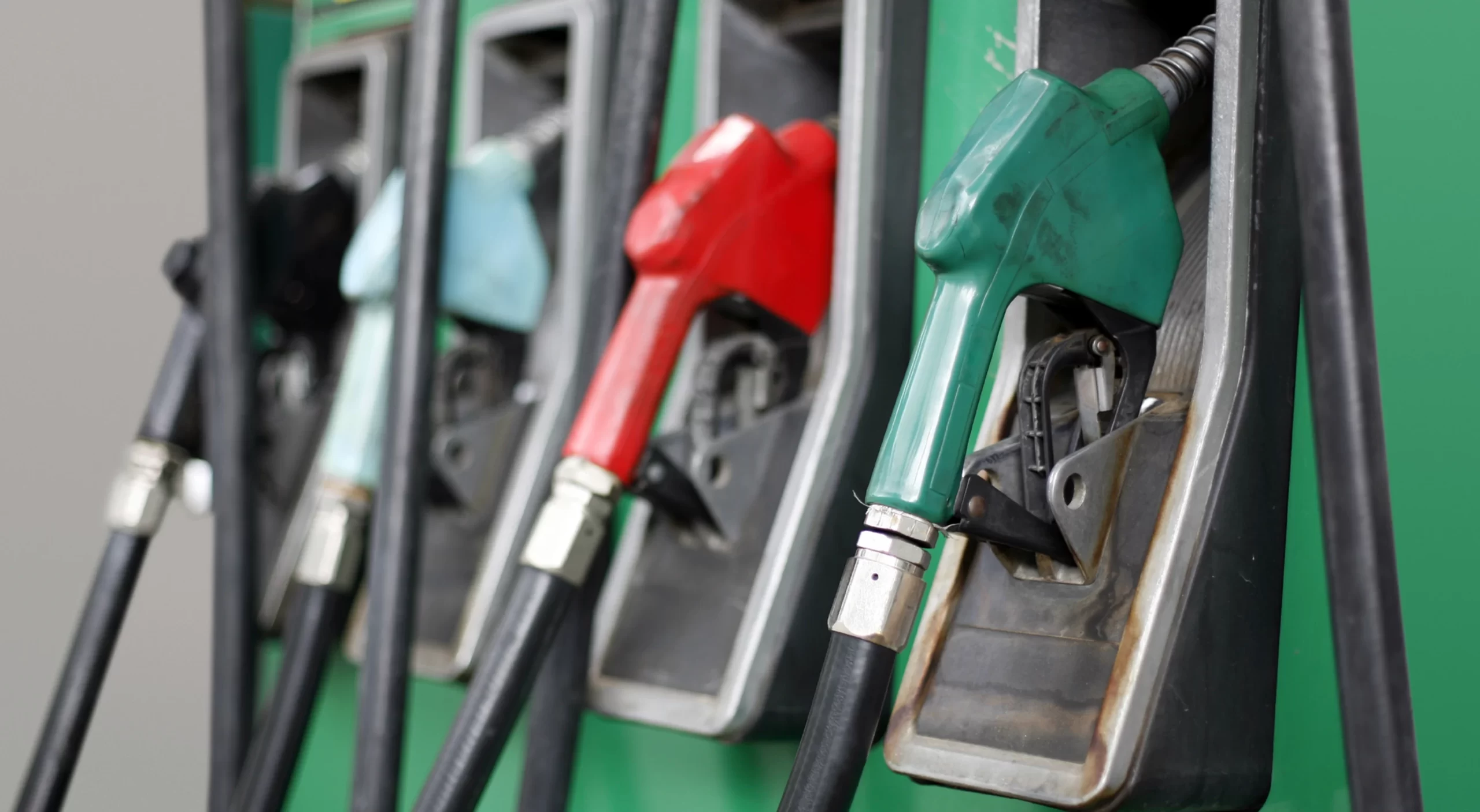
Allaying fears of a possible fuel shortage, Guam Governor Lou Leon Guerrero has declined calls to declare a state of emergency, assuring residents that Guam’s energy supply remains stable.
“I have been asked by some in the legislature to declare a state of emergency based on the fear of a fuel shortage. A fear that is being stoked by the attorney general,” the governor said in a special video message to the public.
While acknowledging that the unabated war in Iran has driven up global prices, the governor said she was assured by private fuel distributors, the Guam Power Authority (GPA), and military installations that there is currently no indication of any immediate shortage.
“Everyone is telling me the same thing: fuel supply remains stable. Fuel supply is here. And our supply lines are intact,” the governor said.
The conflict continues to disrupt key oil transit routes, including the Strait of Hormuz. Fuel prices have increased worldwide—impacting families across Guam.
In a letter to the governor, Senator Jesse Lujan noted that Guam has experienced a rapid and severe escalation in fuel and shipping costs, driven by disruptions to global oil supply through the Strait of Hormuz.
He cited the GPA’s report that its next fuel shipment, expected to arrive on or around 15 April, may cost approximately US$60 million — more than double the historical norm of US$24 to US$25 million per shipment.
GPA’s supplier has further warned of challenges in securing cargo for the May shipment due to reduced refinery operations and government directives abroad to prioritize domestic supply.
In response, the governor said, “No executive order gives a governor superpowers. And no emergency declaration from Guam can reopen the Strait of Hormuz.”
The Marshall Islands was the first nation to declare a state of economic emergency in response to the geopolitical ripples caused by the escalating U.S-Israel war on Iran. President Hilda Heine issued the declaration on 26 March.
The Philippines followed suit on 28 March.
As for the senator’s request for an executive declaration of a state of emergency, the governor said: “Such actions must be grounded in clear and immediate threats to public safety or the continuity of essential services.”
Guam’s current conditions have not reached a level that would warrant an emergency declaration, she added.
Lujan has also proposed reappropriating the remaining US$104 million currently in State and Local Fiscal Recovery Funds to provide relief to Guam consumers.
“With an estimated 65,000 taxpayers on Guam, a reappropriation for direct relief could provide roughly US$1,600 per taxpayer,” Lujan said. “That is real and meaningful relief. More importantly, it empowers families to determine for themselves what their most urgent need is: whether that be rent, childcare, groceries, fuel, utility bills, school supplies, or medical expenses.”
The governor, however, said the federal funds in question are restricted.
“The government of Guam has already received guidance from the U.S Department of the Treasury outlining allowable and prohibited uses of these funds,” Leon Guerrero said in a letter responding to Lujan.
“Based on that guidance, the type of direct, across-the-board payments being proposed is not an authorised use of SLRF funds. We remain committed to ensuring that all federal funds are used in full compliance with applicable rules and requirements while continuing to explore other lawful and responsible ways to support our residents,” she added.