

By Kristie Drucza, Kate Learmonth and Mosese Qasenivalu
Fiji is facing a worsening sexual and reproductive health crisis that is hurting young people, families and the economy, but new community research shows that Fijians already have practical solutions that could turn things around if they were properly supported.
Rising teenage pregnancy, high rates of sexually transmitted infections and HIV, and widespread violence in relationships are making it harder for girls to stay in school, work and plan their futures. These problems are not just about individual choices. They are rooted in gender inequality, silence and shame around sex, and services that often feel unwelcoming or unsafe, especially for young people and those who already face discrimination. At the same time, Fiji has a strong policy foundation and a long history of valuing family and community care, which means there is a real chance now to match commitments with action.
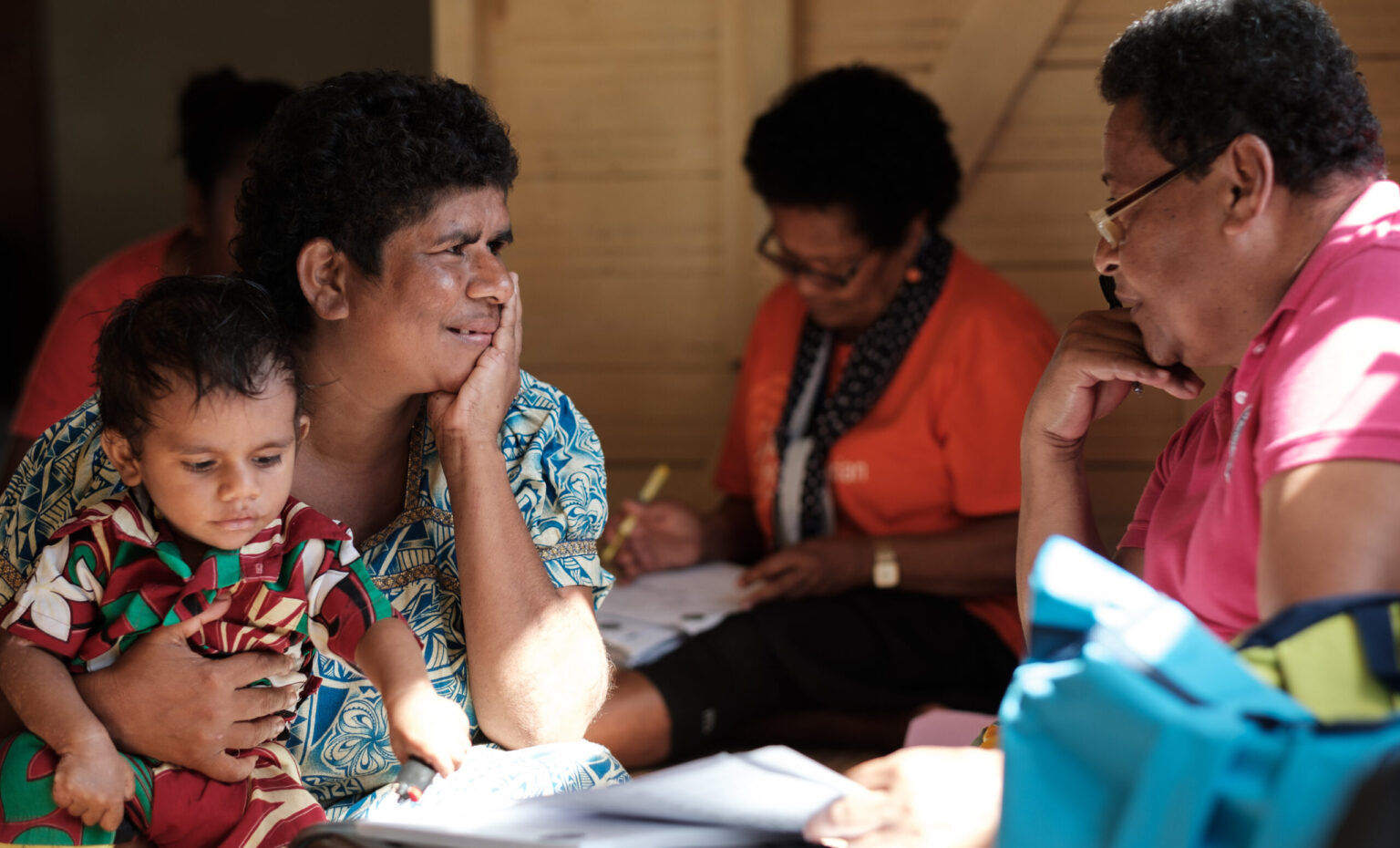
Recent community-based research in six urban, peri-urban, rural and maritime communities brought together 103 young people, parents, community leaders, health workers, faith leaders, sex workers and people with disabilities to talk about what is happening and what needs to change. Many youth described sex as something that is “unspoken” at home, with parents and elders acting as gatekeepers to information and often using shame or fear rather than open conversation.
Schools are not filling the gap. Young people said Fiji’s Family Life Education classes are basic and moralistic, with topics like consent, contraception, pleasure, diverse sexualities and healthy relationships often skipped altogether. In this silence, many turn to friends, social media and pornography for answers, which can reinforce harmful ideas about masculinity, women’s autonomy and what counts as “normal” in a relationship.
When young people or women do try to seek help, they often find services that do not feel safe. Participants across all research sites described health facilities where staff gossip about clients seeking contraception or HIV tests, speak harshly to unmarried girls, sex workers or people with disabilities, and sometimes breach confidentiality in ways that make the whole community aware of someone’s private choices.
Young people talked about avoiding HIV testing or contraception because they fear being judged or exposed, while rural communities face extra obstacles like long travel distances, high transport costs, staff shortages and limited clinic hours. When violence or coercion occurs, schools, clinics, police and social welfare services rarely work together, so survivors are left without joined-up, survivor-centred support and many cases never come to light.
The research highlights how deeply gendered power imbalances shape reproductive decisions and leave many women feeling they have “no good options”. Women described having little say over when sex happens, whether contraception is used or how many children they have, with attempts to negotiate condom use sometimes triggering verbal or physical violence.
Myths and misinformation about modern methods are widespread. Injections and implants are often blamed for infertility or cancer, and condoms are sometimes seen as only for “strangers” or “prostitutes”, not for protecting health within relationships.
For girls who become pregnant outside marriage or experience sexual violence, stigma and family pressure can be so intense that some see suicide or unsafe abortion as the only way out, relying on informal and dangerous methods rather than safe, confidential services.
A snapshot of key statistics shows how serious the situation has become and why community-led solutions matter.
These numbers sit behind the stories of girls leaving school, women trapped in violent relationships, and families struggling with illness and lost income. The economic estimates suggest that sexual and reproductive health gaps are costing Fiji hundreds of millions of dollars a year in lost productivity, higher health spending and reduced participation in work and education.
The research also shows that some groups face even higher barriers and harms). People with disabilities often encounter clinics that are physically inaccessible, assumptions that they are asexual, and situations where others make reproductive decisions on their behalf. Many women with disabilities face heightened risk of gender-based violence and are blamed, shamed or isolated when abuse occurs.
Sex workers report being judged and humiliated in health settings, with confidentiality frequently breached, so many only attend services in emergencies.
Fijians with diverse sexual orientations, gender identities and expressions described being stared at, questioned in invasive ways or refused care in some clinics, and some reported being thrown out of their home or their church when their identity became known. Many said they simply avoid mainstream services and instead depend on inclusive clinics and community organisations that treat them with respect.
Fiji’s religious and geographic diversity shapes how these challenges are experienced. In many Methodist and Catholic iTaukei communities, abstinence-only messages and opposition to contraception still dominate. Other churches, including some Pentecostal and independent congregations, are beginning to talk more openly about health, protection and responsible decision-making, and some pastors now actively support modern contraception to prevent sexually transmitted infections and unintended pregnancy.
Despite this difficult picture, the study documents many home-grown solutions that are already working in Fijian communities and could be scaled with the right support. Some faith leaders are reframing discussions about bodies and relationships through values of compassion, care and responsibility, opening space in youth programs and sermons for more honest conversations. Women’s groups and church fellowships provide safe spaces where women and girls can talk openly, support each other in accessing services, and challenge harmful gender norms. Youth advocates are running peer education sessions, social media campaigns and community events that give young people language and tools to navigate relationships and make informed choices.
If the Fiji government, donors and community organisations back these local solutions with long-term, flexible funding and policy reform, Fiji can shift from crisis management to prevention and transformation.
That means investing in comprehensive, culturally grounded sexuality education that covers consent, pleasure and diverse experiences, expanding youth-friendly clinics, building strong referral pathways so survivors of violence get joined-up support, and putting inclusion at the centre of all decisions, with resources earmarked for disability-accessible facilities and services that welcome everyone.
It also means supporting Fijian leaders, from pastors to youth activists to women with disabilities, who are already bridging gaps between tradition and change and helping communities talk about topics that were once taboo.
Kristie Drucza is the CEO of Includovate.
Kate Learmonth was formerly the Senior Pacific Senior Gender Based Violence Advisor for the International Planned Parenthood Federation based in Suva, Fiji.
Mosese Qasenivalu is an independent consultant based in Fiji.