

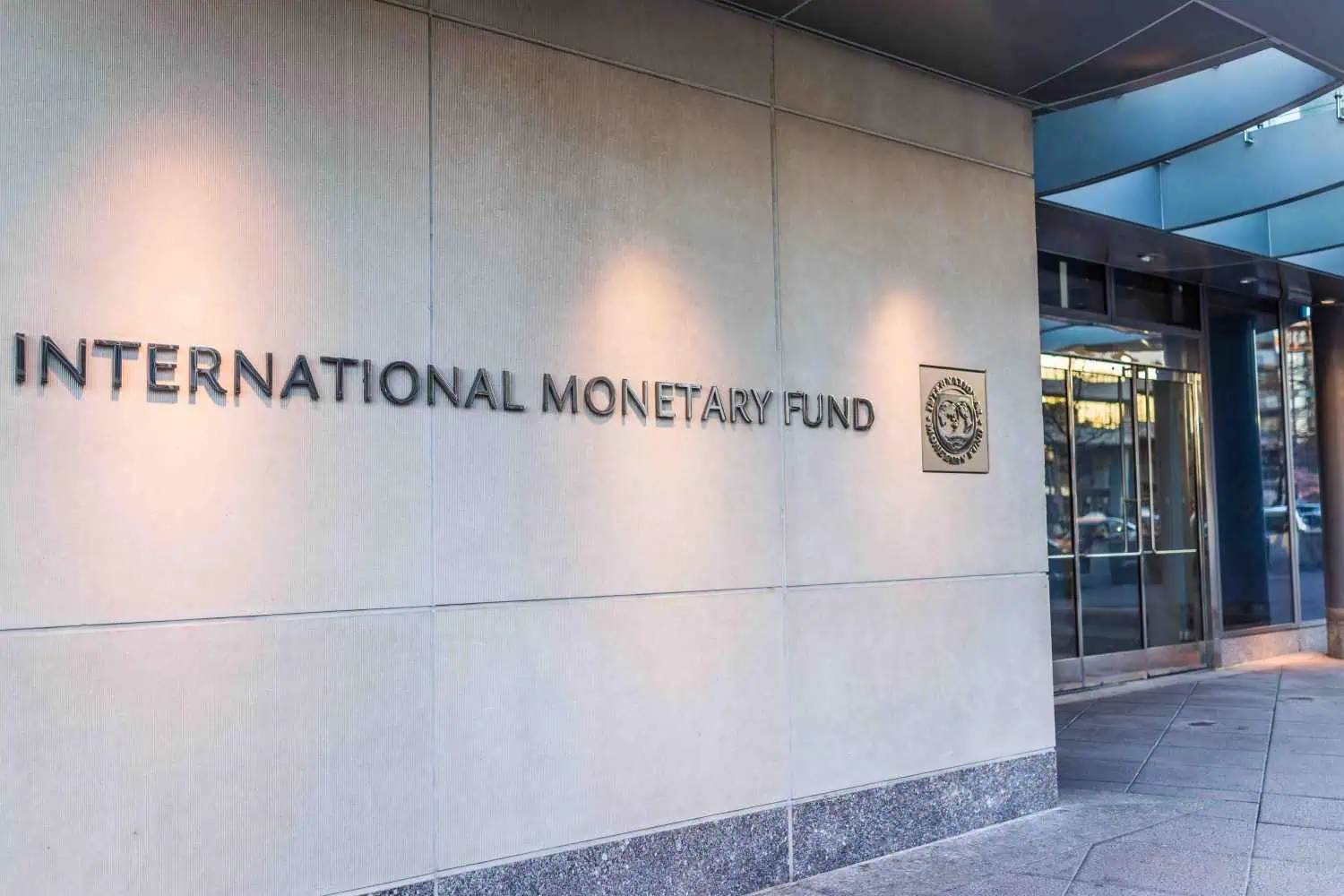
The International Monetary Fund (IMF) says Fiji’s economic growth is expected to slow in 2026 as global pressures weigh on the outlook, while calling for urgent fiscal reforms and targeted support for vulnerable groups.
An IMF team led by Alasdair Scottvisited Fiji from 16 -27 March for its 2026 Article IV consultation.
“Economic activity remained resilient in 2025, supported by strong tourism inflows, continued remittances, and fiscal stimulus. This momentum has begun to ease into early 2026. Tourism already appeared to be softer for the first part of this year. Now higher global oil prices are weighing on the outlook.”
The IMF projects growth to moderate to around 2½ percent in 2026, with inflation rising to about 2¼ percent.
“Given these headwinds, the IMF team forecasts growth in 2026 at around 2½ percent, which would be weaker than in recent years. Inflation is expected to increase to around 2 percent percent.”
The report highlights increasing risks linked to global conditions and domestic fiscal pressures.
“Risks to the outlook are to the downside. They arise primarily from fiscal financing pressures, which could raise borrowing costs, constrain spending, and increase pressures on external balances and reserves.”
The IMF stressed the need to rebuild fiscal buffers to prepare for future shocks.
“The budget passed last year leaves the government with very little room to handle unexpected needs for extra spending. While the economy now faces higher fuel prices, in the future it could also face natural disasters or new global shocks. The challenge for fiscal policy is therefore to rebuild fiscal buffers with growth-friendly reductions in deficits, while managing higher costs of living.”
It also recommended targeted assistance rather than broad subsidies.
“To support those most vulnerable to fuel price increases, targeted social assistance is the best option. Untargeted subsidies or price caps would be very expensive for the government and would provide less help to the most vulnerable.”
On monetary policy, the IMF said Fiji’s exchange rate system remains effective but needs improvements.
“The exchange rate peg maintained by the Reserve Bank of Fiji continues to serve the economy well. That said, the effectiveness of monetary policy could be improved by strengthening the links from the policy interest rate to retail rates.”
The IMF noted the banking sector remains stable but requires close monitoring.
“The banking system remains sound overall, with adequate capital and liquidity buffers and improving asset quality.”
It also called for stronger implementation of long-term reforms.
“Structural reforms are needed to support medium-term growth and resilience… Achieving stronger and more durable growth will require clearer prioritization and sequencing of reforms, improved implementation capacity, and sustained efforts to mobilize public and private investment.”
The IMF team held talks with Finance Minister Esrom Immanuel, Reserve Bank Governor Ariff Ali and other stakeholders during the mission.
“The team had fruitful discussions with the Minister for Finance, the Honorable Esrom Immanuel, the Governor of the Reserve Bank of Fiji, Ariff Ali, other senior government officials, development partners, and private sector representatives. The team would like to thank the Fijian authorities for their excellent cooperation and hospitality.”
The IMF will now prepare a full report for consideration by its Executive Board.