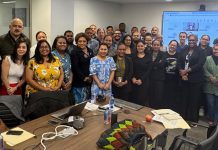



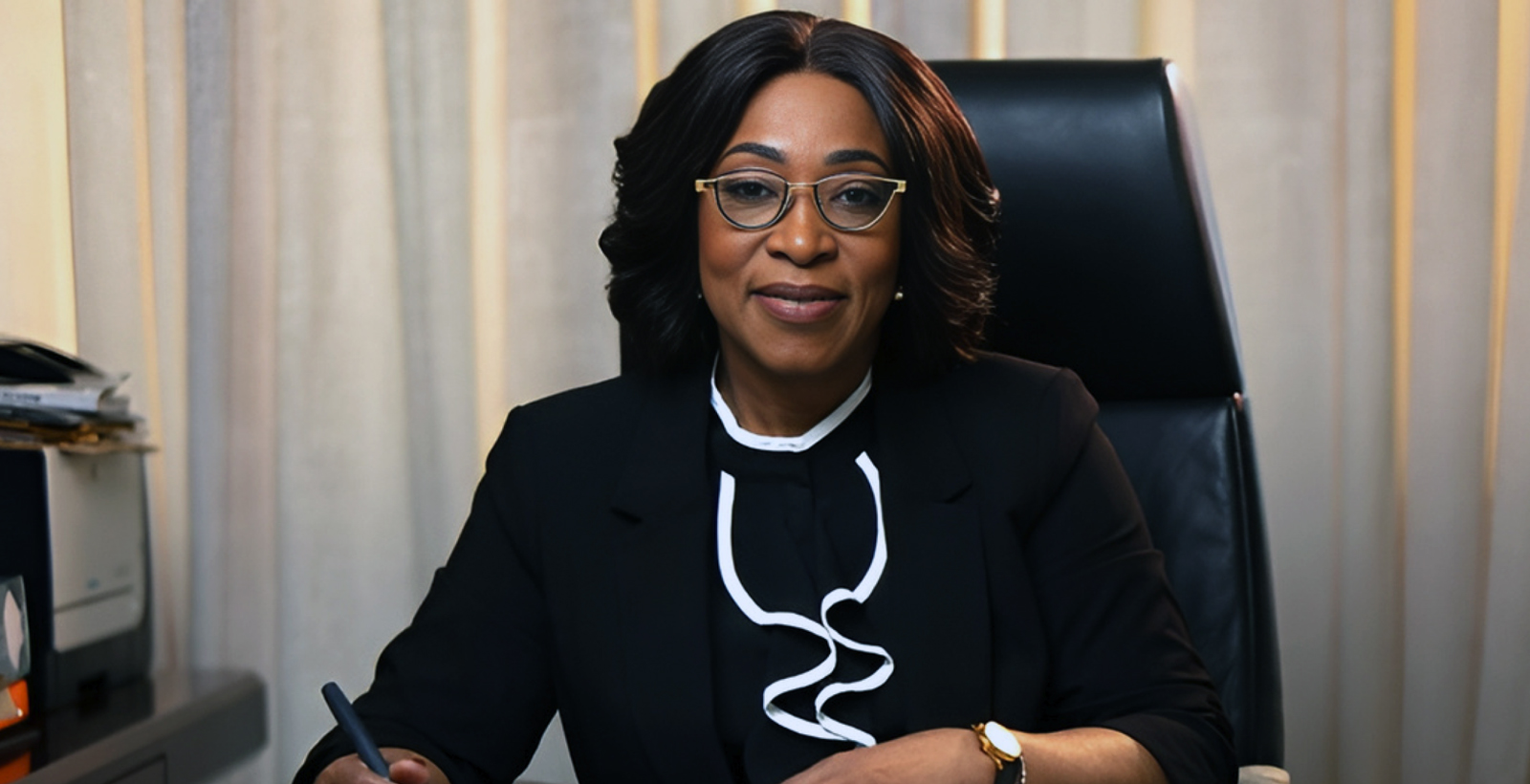
The Secretary-General of the Commonwealth Shirley Botchwey has warned that rising global debt is threatening development, sovereignty and survival for many countries, particularly small and vulnerable states.
Opening the Commonwealth Forum on Sustainable Sovereign Debt at Marlborough House Monday, Botchwey said governments are being forced into difficult trade-offs that affect their people and future.
“Debt is not a question of balance sheets. For many countries, it is a question of choices; of social cohesion and of survival.”
“Between investing in people or servicing the past. Between resilience, and vulnerability. Between sovereignty, and the choices of creditors,” said Botchwey.
She said for many small states, the consequences are immediate and severe.
“For many of our Small States and vulnerable economies, it is quite literally the difference between a new school or a shuttered clinic — between recovery and retreat.”
The Secretary-General said the current global financial system is failing those most in need.
“Because we are not simply confronting high levels of global debt. We are confronting a global system that is no longer delivering as it should.”
“A system where risk is priced unevenly. Where access to finance is too slow, too costly, and too conditional.”
“And where those most exposed to shocks often face the greatest barriers to recovery. That is not just unsustainable. It is unjust.”
She said these challenges are also affecting global economic growth.
“And it hurts growth across our interconnected global economy.”
Botchwey stressed the need for coordinated global action.
“It is precisely why the Commonwealth must act — not only to support our members, but to help shape a more effective and equitable approach to sovereign debt globally.”
She said the issue is becoming more urgent as global debt reaches unprecedented levels.
“Now, we must build on that legacy — and adapt it to a far more complex and uncertain world. A world in which public debt has reached unprecedented levels.”
“A world where climate shocks, economic and geopolitical volatility as well as technological disruption are no longer peripheral risks — but central drivers of fiscal instability.”
She warned that decisions made now will have long-term consequences.
“And a world in which the decisions we take today will define the opportunities available to future generations.”
The Secretary-General also launched two new reports during the forum, highlighting the long-term impact of debt decisions.
“Together, they make one message unmistakably clear: Today’s debt decisions will shape tomorrow’s development outcomes.”
Botchwey said the issue is also about fairness between generations.
“In a Commonwealth where 60 percent of our people are under the age of 30, this is not only an economic issue. It is an intergenerational contract.”
“Every dollar spent on unsustainable debt is a dollar not invested in education, in jobs, in opportunity — and in the future our young people deserve,” she said.
The Secretary-General outlined three key priorities for reforming debt management across Commonwealth countries.
The first is modernising debt systems through technology.
“Through Meridian 2030, we are building the infrastructure for real-time, transparent, data-driven debt management.”
“By integrating artificial intelligence and advanced digital tools, we aim to equip governments with the information and foresight they need — not simply to manage debt, but to negotiate from a position of strength,” said Botchwey.
She said new tools will help countries better prepare for future risks.
“And through Horizon 2.0, we are advancing forward-looking analytical tools that help countries anticipate — rather than react to — emerging risks.”
The second priority is linking debt to climate resilience.
“In too many of our member states, climate shocks are now the single greatest driver of fiscal stress.”
“We must ensure that sovereign debt frameworks reflect this reality.”
“By leveraging blue and green assets, expanding access to resilience finance, and integrating climate risk into debt strategies, we can reduce vulnerability while protecting the natural capital on which so many of our economies depend.”
The third priority is turning ideas into action.
“For too long, innovative instruments have remained on the margins.”
“Debt swaps, resilience-linked financing, and other tools must become part of the mainstream.”
“Our new Handbook on Debt Swaps is designed to support precisely this transition — turning ideas into practical solutions that create fiscal space and unlock investment.”
SG Botchwey said the forum must deliver real outcomes, not just discussions.
“This week is not only about ideas. It is about implementation.”
“It is about building partnerships that can unlock concessional finance at scale.”
She also announced new initiatives to strengthen cooperation across member countries.
“That is why I am pleased to announce the Inaugural Commonwealth Public Debt Management Awards.”
“These awards recognise the professionalism, integrity and innovation of public debt offices across our membership.”
She said a new Commonwealth Debt Managers Network will also be established.
“This network will provide a permanent platform for collaboration, peer learning, and coordinated action.”
“It will strengthen our collective voice. And it will help ensure that the priorities of our member states are reflected more effectively in global financial discussions.”
The Secretary-General urged officials to act decisively, warning that incremental changes are no longer enough.
“To the Heads of Public Debt Management in this room: You are not only managers of debt. You are architects of economic resilience.”
“The decisions you shape this week will not remain in conference rooms. They will determine fiscal space, development pathways, and economic sovereignty for years — even decades — to come.”
She said bold action is now required.
“So let us be clear about the task before us. The time for incremental change has passed.”
“What is required now is coordination, innovation, and the courage to act differently.”
The Secretary-General said the Commonwealth has a key role to play in shaping the global response.
“If we succeed, the Commonwealth will not simply respond to the global debt challenge. We will help redefine how it is addressed.”
“And in doing so, we will ensure that our countries are not only more resilient — but more empowered, more equitable, and better prepared for the future,” Botchwey said.