


Wetlands are often described as nature’s quiet workhorses, filtering water, protecting coastlines, and sustaining life.
For communities across Fiji, they are also places of memory, identity, and survival, woven deeply into traditional knowledge passed down through generations.
Each year on 02 February, World Wetlands Day is observed globally to highlight the critical role wetlands play for both ecosystems and people.
This year’s theme, “Wetlands and Traditional Knowledge: Celebrating Cultural Heritage,” explores how Indigenous knowledge systems have long guided the protection and sustainable use of these landscapes.
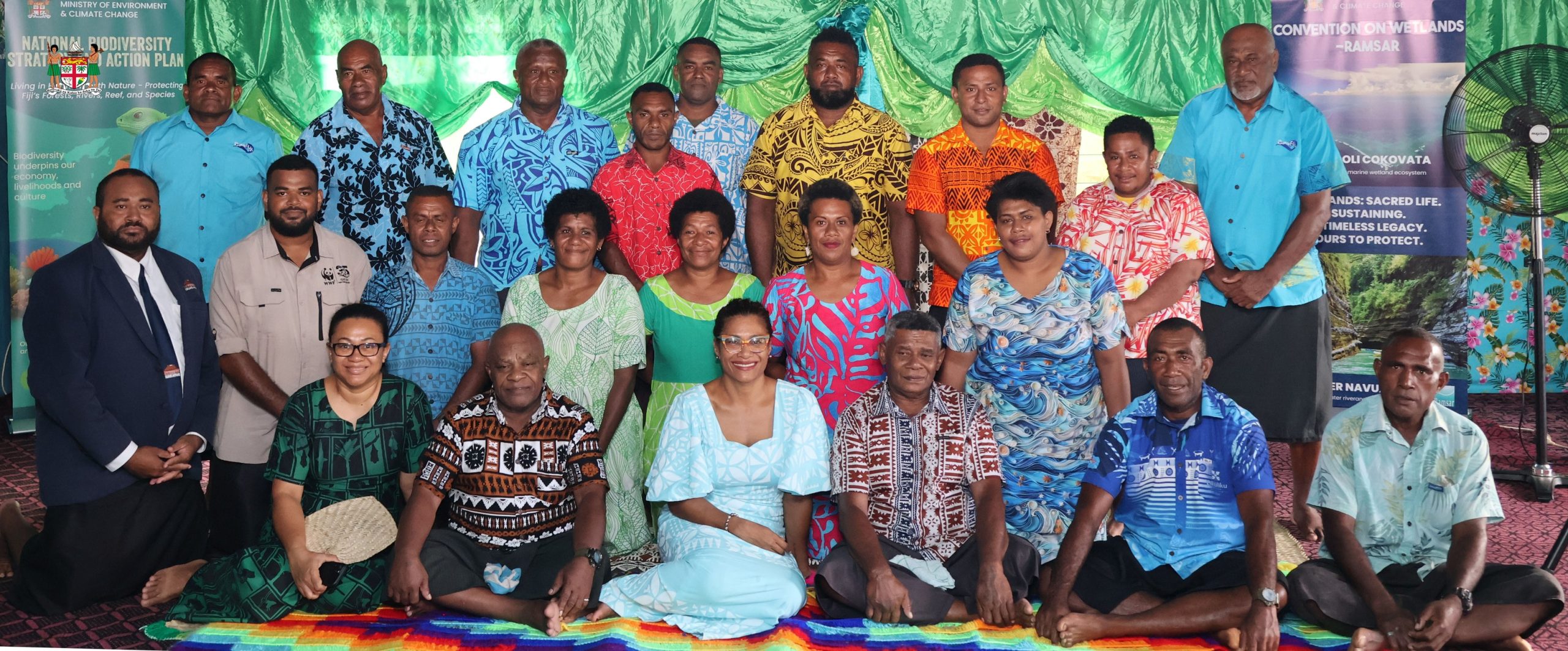
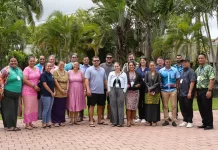
In Nabukelevu Village, Serua, the message resonated strongly as Fiji’s Minister for Information, Environment and Climate Change, Lynda Tabuya, marked the occasion by emphasising that safeguarding wetlands begins at the community level.

“The protection of wetlands will not be won by policies, workshops or government action alone, but through villages, yavusa meetings, and the daily choices of resource owners,”Tabuya said.
She said healthy wetlands are inseparable from resilient communities.
“When wetlands are healthy, communities are resilient. When wetlands are protected, Fiji is protected,” Tabuya said.
“Our duty is simple, and heavy: To leave abundance behind for the next generation.”
Fiji’s commitment to wetland protection is reflected in its two designated Wetlands of International Importance, also known as Ramsar Sites, places where conservation, culture, and livelihoods intersect.
The story of the Upper Navua Conservation Area (UNCA) begins not with policy, but with discovery. Located in Serua Province on the south-central coast of Viti Levu, the area first drew attention in 1997 after a kayaking expedition revealed a river system of striking beauty and largely untouched wilderness. According to the Rivers Fiji website, this discovery led to the establishment of Rivers Fiji and sparked a movement to protect what many recognised as a national treasure.
Framed by towering canyon walls, cascading waterfalls, and thriving wildlife, the Upper Navua Gorge was quickly understood to be a place of exceptional ecological value. Yet preserving it required overcoming significant challenges. Logging and gravel extraction had to be halted, and support had to be secured from nine indigenous landowning clans (mataqali), alongside approvals from the Native Land Trust Board and the Great Council of Chiefs.
The solution lay in replacing destructive practices with conservation-driven livelihoods, supported by low-impact whitewater tourism. Through collaboration between landowners, traditional leaders, conservation partners, and government agencies, Fiji’s first fully protected, tourism-funded conservation area was born.
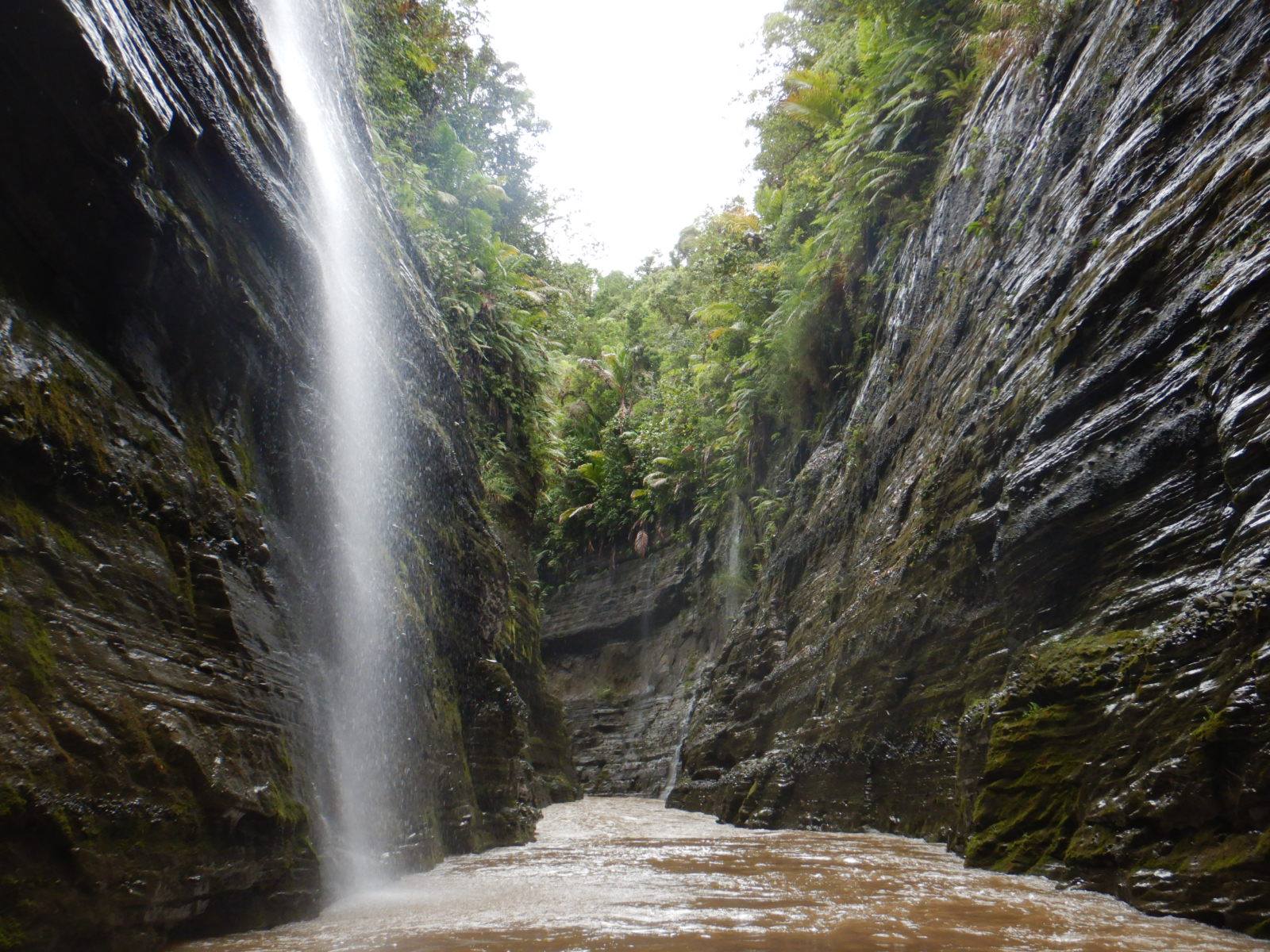
These collective efforts led to a major milestone in 2006. With backing from the University of the South Pacific, WWF, and government stakeholders, the Upper Navua Conservation Area was officially designated a Ramsar Site on 11 April, making Fiji the 152nd party to the Ramsar Convention.
Today, UNCA stands as a living example of how traditional stewardship and modern conservation approaches can work hand in hand. Home to rare and endemic species, the site continues to demonstrate that protecting wetlands can also support sustainable livelihoods and cultural continuity.
More than a decade later, Fiji expanded its Ramsar network with the designation of Qoliqoli Cokovata on 16 January 2018. Stretching along the north coast of Vanua Levu, the site encompasses vast fishing grounds, coral reefs, lagoons, and mangroves that have sustained coastal communities for generations.
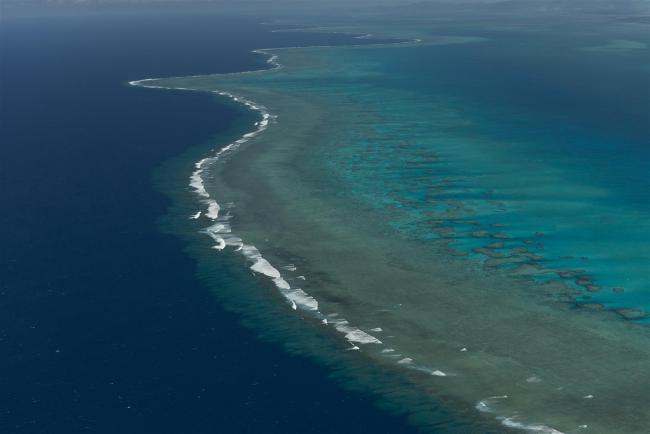
Its extensive barrier reef system spans approximately 260 kilometres, making it the third-largest continuous barrier reef system in the world. As the most biologically rich area of the Great Sea Reef, Qoliqoli Cokovata is globally significant, supporting an extraordinary diversity of marine life while underpinning food security and income for local communities who retain custodial ownership of the fishing grounds.
The interconnected habitats of coral reefs, seagrass beds, and mangroves provide essential feeding, breeding, and nesting areas for threatened turtle species, including hawksbill,green, leatherback, and loggerhead turtles. The waters are also home to vulnerable fish species such as giant grouper, humphead wrasse, and humphead parrotfish.
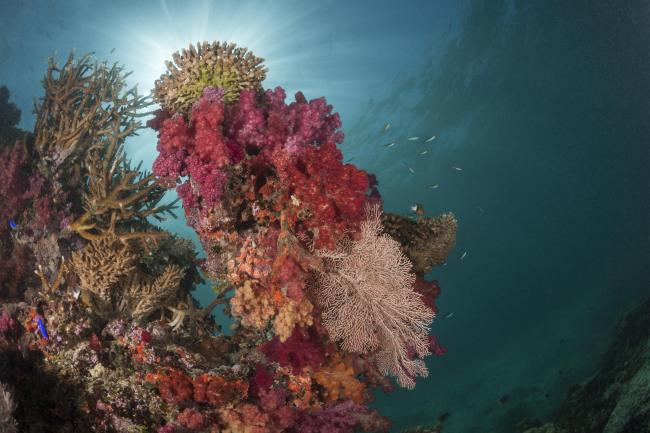
Seagrass beds and mangroves play a critical role as nurseries for fish, shellfish, and sea cucumbers, species that are vital to both subsistence fishing and the national economy. Yet these ecosystems are increasingly under pressure from pollution and wastewater linked to nearby settlements and sugarcane farming.
In response, traditional owners have established the Qoliqoli Cokovata Management Committee, a community-led body tasked with managing and caring for the site, ensuring decisions reflect both environmental priorities and cultural responsibilities.
Against the growing impacts of climate change, Tabuya said wetlands remain among Fiji’s strongest natural allies, describing them as a “lifeline”.
“Mangroves reduce storm surges. Wetlands absorb flood waters. They protect villages during cyclones and heavy rain. Wetlands are also powerful carbon sinks,” Tabuya said.
She said long before climate science confirmed these benefits, Pacific ancestors already understood their value.
“Without knowing the science, our ancestors were already protecting one of the world’s greatest climate solutions.
“For too long, wetlands have been misunderstood. Our ancestors knew better. What science proves today; traditional knowledge has always known. Wetlands are lifelines,” she said.