As an island territory, American Samoa faces a set of challenges linked to its geographic isolation and exposure to changing ocean conditions. Government agencies, port authorities, marine operators, and emergency services all depend on timely, accurate information to operate effectively. But access to data alone is not enough. It must also be easy for stakeholders to translate complex ocean research into decision-ready services, whether supporting a harbourmaster in planning vessel movements, a weather forecaster issuing advisories, or an emergency responder preparing for hazardous conditions.
Recognising this need, American Samoa took an important step forward in late 2025 by hosting its first national capacity-building event dedicated to translating ocean science into real-world applications. The “Ocean Science to Service Workshop and Consultation”, held in November 2025, focused on strengthening locally driven ocean services with regional support. The workshop was organised by the American Samoa Weather Service in collaboration with the Pacific Community (SPC).
“This workshop is the first of its kind hosted in American Samoa. It grew out of a need identified by the National Weather Service for more discussion and training for our marine community across our island groups, and it responded directly to demand for more structured dialogue, collaborative learning, and hands-on training among organisations that regularly rely on ocean information,” said Elinor Lutu-McMoore, National Weather Service Director.
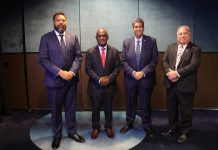
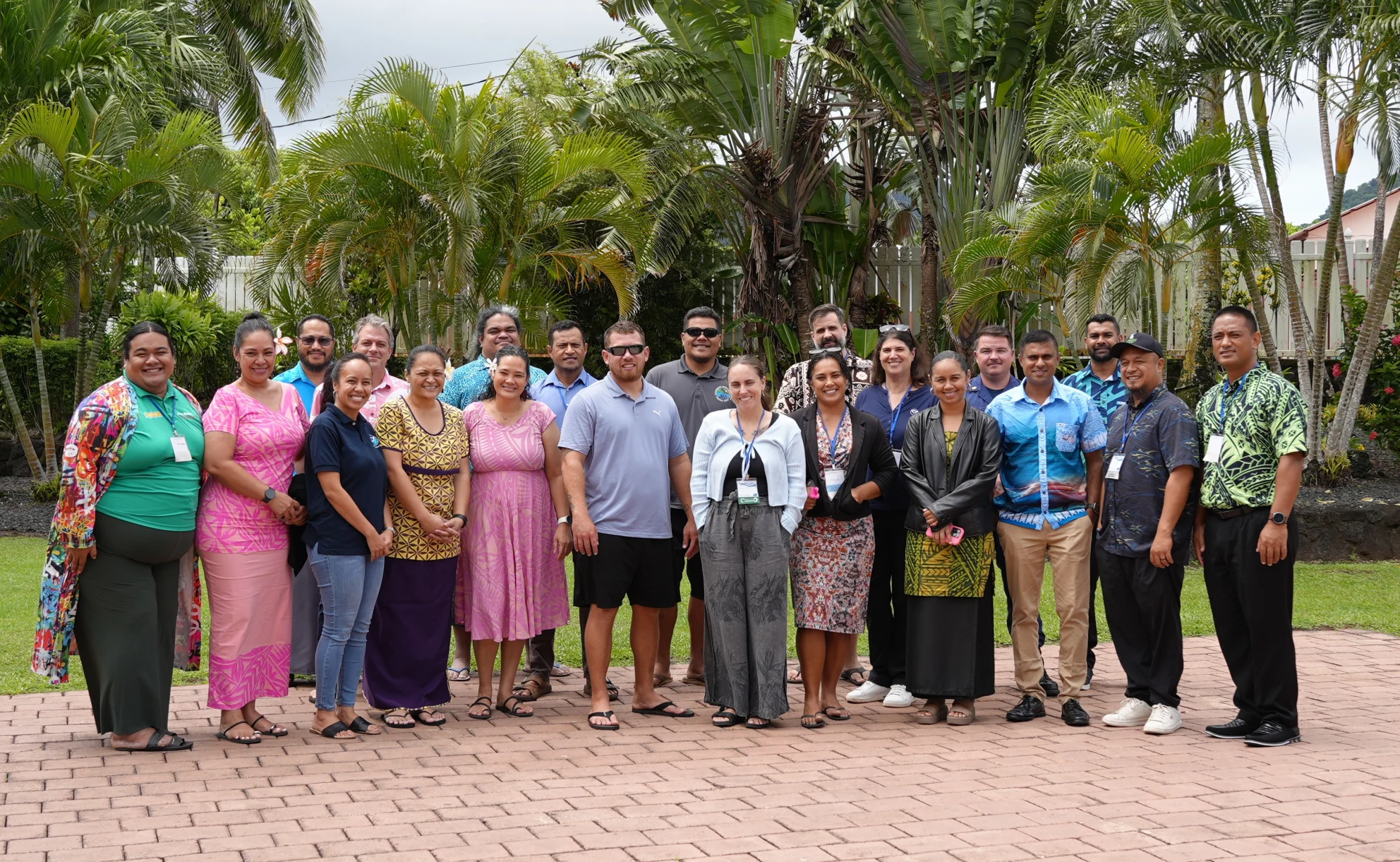
Participants represented a diverse variety of organisations concerned in marine safety, environmental management, emergency response, and maritime operations. These included the Department of Homeland Security, the American Samoa Coral Reef Advisory Group (CRAG), the Weather Service Office (WSO), the American Samoa Marine Patrol Division, the National Marine Sanctuary, the NOAA Fisheries Office in American Samoa, the Port Administrator, and the United States Coast Guard. Bringing these parties together provided a unique chance for interaction between sectors that frequently operate in parallel yet rely on the same ocean conditions.
Training on tidal calendars and sea-level statistics underscored their direct and practical importance for port and harbour operations. The 2025 tidal Predictions Calendar for Pago Pago provided detailed daily tidal heights and timings throughout the year, supporting safe navigation, efficient port management, and informed coastal planning. Knowing when and how to apply this information can make a meaningful difference in day-to-day operational decision-making.
The workshop also placed strong emphasis on hands-on training related to the Pacific Ocean Portal, an online platform that collects historical and near-real-time ocean data from throughout the Pacific. The portal provides users with access to data on waves, winds, ocean currents, sea level, and tides, all of which are critical for marine safety, forecasting, and coastal decision-making.
“The Ocean Portal brings together data from different Pacific islands, allowing you to easily select the information you want and need. It opens quickly, and you can view tides for different days and times. It could make my job easier and more efficient,” said Pu’amavae Ah-Mai, Harbormaster at the Department of Port Administration.
Finally, the event allowed participants to visit the American Samoa Weather Service and to discover how the station operates. During the visit, participants learned about daily forecasting procedures, including the launch of weather balloons twice a day. These balloons collect critical atmospheric data such as temperature, humidity, wind speed, and wind direction at different altitudes. This information plays a vital role in improving weather forecasts, marine advisories, and early warning services for American Samoa and the wider Pacific region.
By bringing together different institutions, the event fostered an understanding of how ocean information is used across sectors and how services may be better coordinated. Participants left with improved technical skills, new professional connections, and a better understanding of how ocean research can help American Samoa’s communities become safer and more resilient.