



By Pita Ligaiula in Manila, Philippines
Sharks Pacific has delivered a strong message to the Western and Central Pacific Fisheries Commission (WCPFC), warning that the region cannot claim credible fisheries managementwhile ignoring the growing threat of marine pollution, especially abandoned fishing gear.
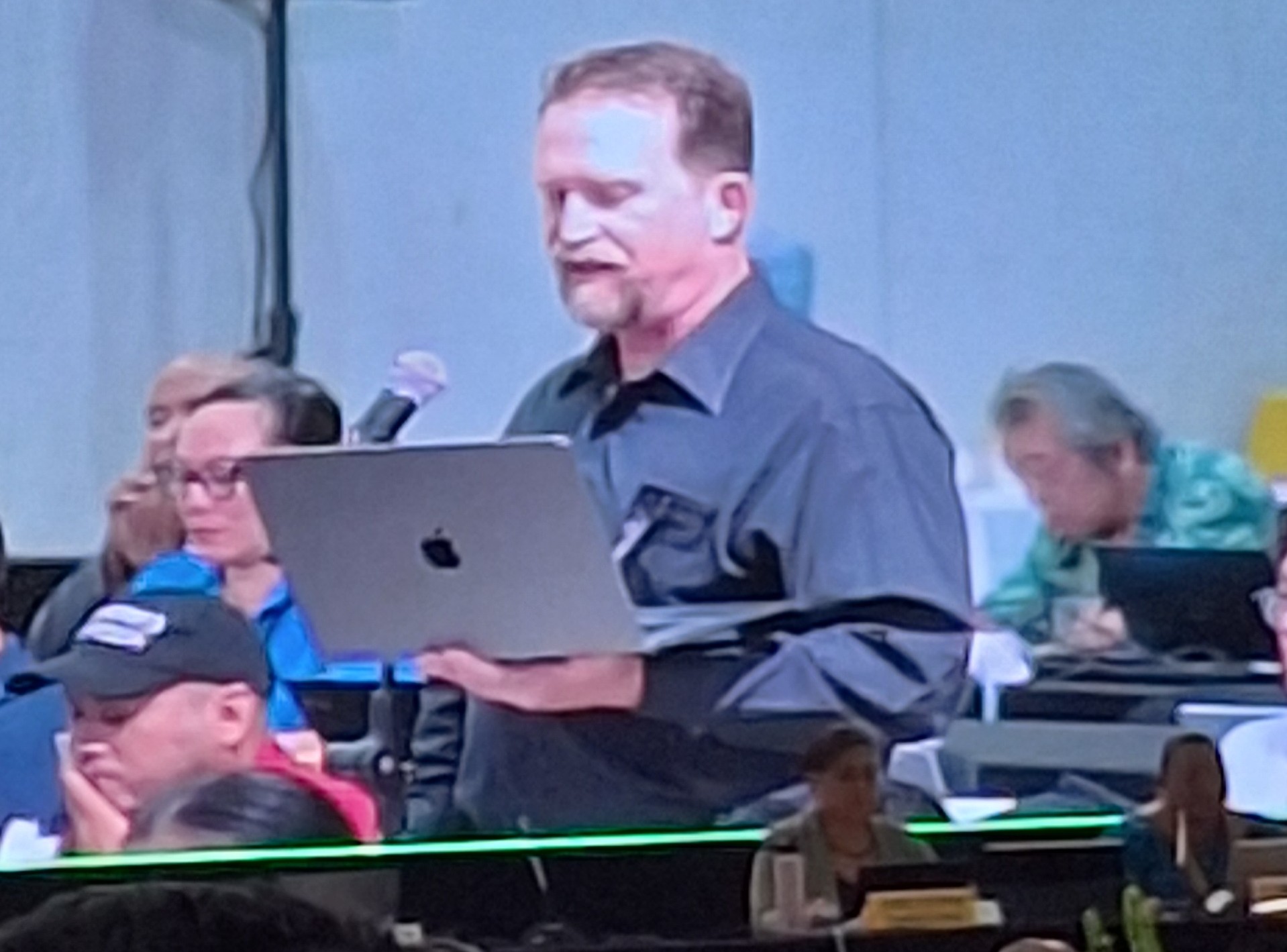
Policy Director Bubba Cook used his intervention at WCPFC22 in Manila to praise Canada’s leadership on the issue but said the Tuna Commission’s current rules are falling behind the scale of the problem.
“Sharks Pacific would like to commend Canada for its continued leadership in elevating marine pollution, particularly Abandoned, Lost or Discarded Fishing Gear (ALDFG) and ghost gear, as a core fisheries management issue, not just an afterthought.
This Commission cannot claim to be managing the Western and Central Pacific Ocean responsibly if we ignore the fact that abandoned, lost, or discarded gear, including drifting FADs, continues to kill sharks, turtles, seabirds, and other vulnerable species long after fishing vessels have moved on,” said Cooks.
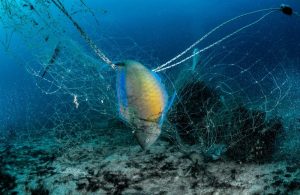 Cook said the review of Conservation and Management Measure (CMM) 2017-04 shows that while some rules exist, “major gaps remain in data, definitions, enforcement, and accountability.”
He welcomed Canada’s detailed roadmap for updating the measure, including intersessional work through 2025 and a proposal for adoption at WCPFC23, calling it “a strong foundation” that must result in a “genuinely strengthened and modernised measure.”
Sharks Pacific highlighted several priorities from the review process.
“First, we strongly support the effort to clarify and expand definitions, including ALDFG, plastics, e-waste, open burning, and noise pollution. These distinctions matter because vague definitions produce vague obligations, which in turn produce weak compliance,” he told the meeting in Manila.
Cook said the scope of the measure must match global best practice and cover all forms of marine pollution, not just plastics or FADs, with clear links to the Commission’s FAD Management Objective Intersessional Working Group.
He also pushed for stronger accountability systems:
• Clear and timely reporting requirements.
• Stronger provisions for port reception facilities so that vessels have practical alternatives to dumping.
• Safeguards to prevent perverse incentives that might encourage at-sea discharge.
• And meaningful compliance review and enforcement rather than symbolic commitments.
“These gaps were identified repeatedly during the intersessional feedback,” Cook said, stressing that fixing them is essential for a functional, enforceable measure.
Sharks Pacific backed Canada’s proposed 2026 timeline, warning against further delays.
“This issue is too important to fall into another cycle of delay,” he said.
Cook said strengthening the measure is a chance for WCPFC to show it takes ecosystem impacts seriously and to protect the fisheries that coastal communities depend on.
“Sharks Pacific encourages all CCMs to actively contribute to the intersessional process and to ensure that, by WCPFC23, we adopt a modern, enforceable, and fit-for-purpose marine pollution measure,” he said.