

By Pita Ligaiula in Manila, Philippines
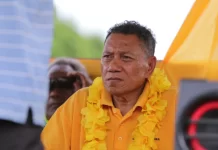
Western and Central Pacific Fisheries Commission (WCPFC) Chairperson Dr Josie Tamate says the economic future of Pacific tuna fisheries hinges on delivering a long-delayed harvest strategy for South Pacific albacore when the Commission meets in Manila next week, warning that island members want certainty after years of economic decline.
In an interview with PACNEWS, Dr Tamate said the South Pacific albacore management procedure is now directly tied to protecting the region’s US$5.3 billion annual tuna economy.
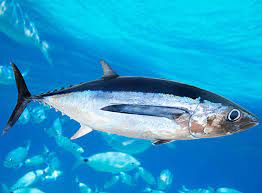
“South Pacific Albacore (SBA) is a key fishery for southern Pacific Island groups. There have been concerns that although the stock is deemed to be biologically healthy, the economics does not look good,” she said.
“In previous WCPFC meetings, we have heard statements calling on the need to rebuild the fishery, for stability and the need to improve catch rates. Therefore, the SPA harvest strategy is to help provide certainty and opportunity to rebuild the fishery. The fishery is important to domestic and locally based fleets.”
With domestic longline fleets in Tonga, Samoa, Fiji and Cook Islands heavily dependent on albacore, Dr Tamate said Pacific delegations have been clear and unified in their messages ahead of Manila.
“I have heard consistent messages over the years on the need to improve the economics of the fishery. The South Pacific Group comprising five FFA members have been leading the discussions internally within the FFA arena and also at the WCPFC meetings on the need to rebuild the economics of the fishery.
“Four of the five members have domestic fleets, and SPA is the main species in their EEZs,” she told PACNEWS
The urgency comes as the Commission attempts to finalise a harvest strategy that was originally scheduled for adoption last year.
Economically, the fishery has been squeezed by falling catch rates, rising operational costs, and competition from distant-water fleets on the high seas.
Pacific governments have repeatedly warned that failure to adopt an albacore harvest strategy would undermine longline industry stability, discourage investment, and weaken confidence in the Commission’s reform agenda.
Dr Tamate said she remains optimistic that consensus can be achieved, but she noted that island countries expect the Commission to deliver after more than a decade of commitments.
She said the focus in Manila must be on restoring predictability and rebuilding the longline sector that many small island economies rely on.
With the region’s longline fleets under mounting economic strain, Manila is shaping up as a test of whether the WCPFC can finally turn years of planning into a real management framework that protects both the tuna stocks and the economic lifeline they provide to Pacific nations.