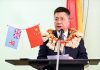

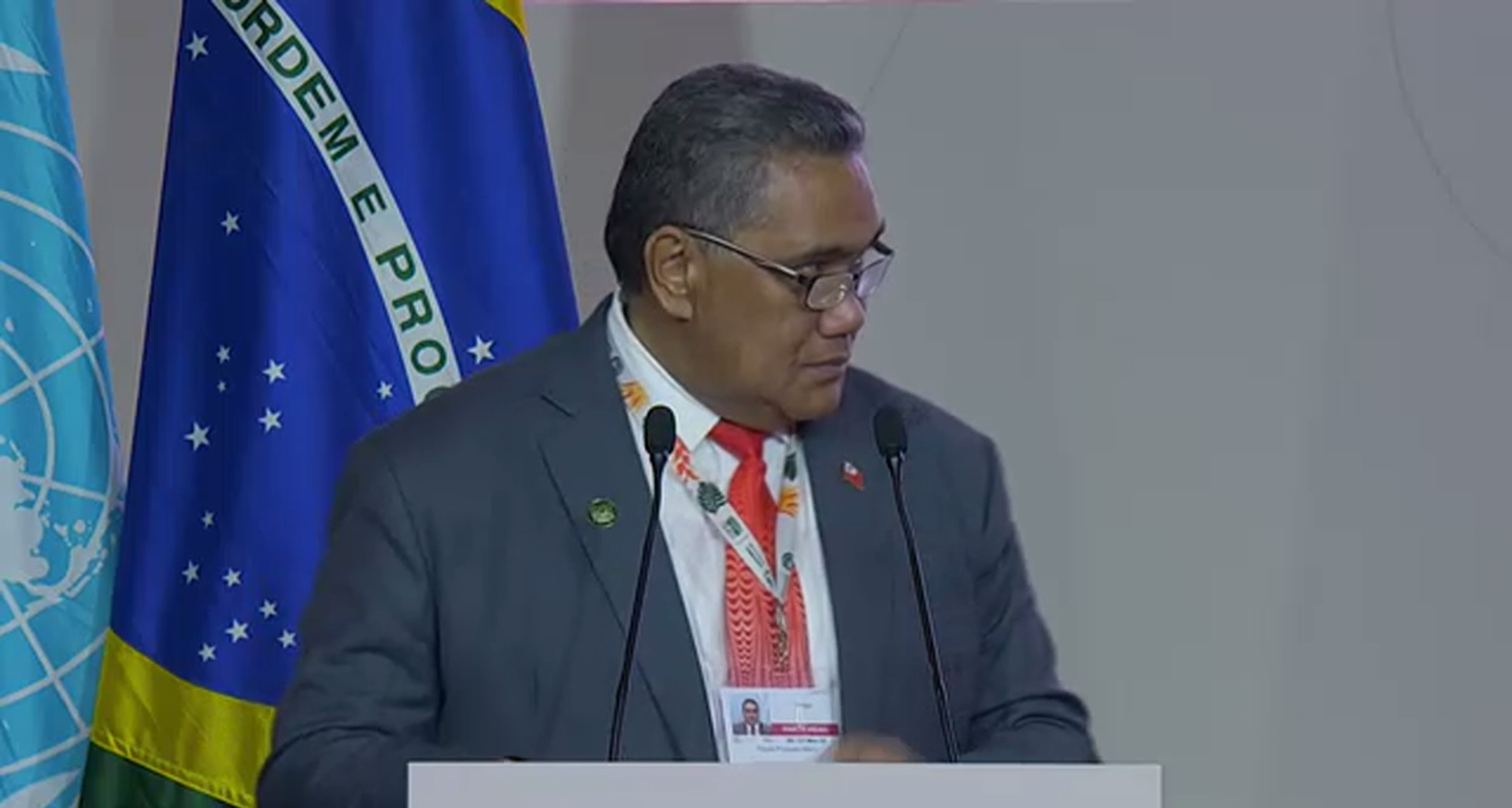
Climate change remains Tonga’s “most essential threat,” Head of Delegation and Secretary to Cabinet at the Prime Minister’s Office, Paula Pouvalu Ma’u, told world leaders.
Rising seas, extreme cyclones, and degraded ecosystems are already affecting communities across the islands. Speaking at the High-Level segment at COP30, Ma’u said the scientific evidence is clear.
“Human activities have driven a significant rise in greenhouse gas concentrations. The consequences of continued emissions are severe and alarming,” he said, citing the 2025 NDC Synthesis Report and the UNEP Emissions Gap Report, which paint a “sobering and troubling picture.”
Tonga, though a negligible emitter, is experiencing dramatic climate impacts. Sea levels are rising at 7.3 millimetres per year, faster than the global average, causing coastal erosion, flooding, and loss of infrastructure and habitats. Saltwater intrusion is harming groundwater, increasing soil salinity, and reducing agricultural productivity.
“Rising ocean temperatures have caused widespread coral bleaching and a decline in marine biodiversity,” Ma’u said.
He warned that Tonga’s land, ocean and marine resources, vital to livelihoods and survival, are under immediate threat.
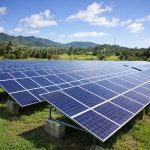
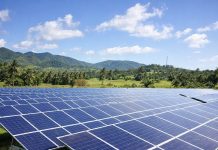
Despite these challenges, Tonga remains committed to climate action. The country aims to achieve net zero emissions by 2050 through 70 percent renewable electricity, strengthened energy efficiency, and implementing adaptation and loss and damage strategies under its National Energy Plan by 2028.
Ma’u also stressed the urgent need for international climate finance.
“The critical importance of timely and adequate climate finance cannot be overstated. Without it, strategic actions cannot be realised,” he said, calling on developed countries to fulfill long-standing commitments.
Tonga reiterated that global climate action must align with frameworks like the Sendai Framework, the Sustainable Development Goals, and Paris Agreement goals. He voiced support for Australia’s bid to co-host COP31 as the “Pacific COP,” providing a platform for Pacific states to amplify solutions.
“The decisions and choices we make today will shape the future of our country, our generation, and those to come,” Ma’u said, urging genuine partnership and cooperation to ensure all voices are heard.