

Pacific leaders remain “cautiously optimistic” as the region steps up efforts to secure a home-ground climate summit, supporting the push for a Pacific COP hosted by Australia.
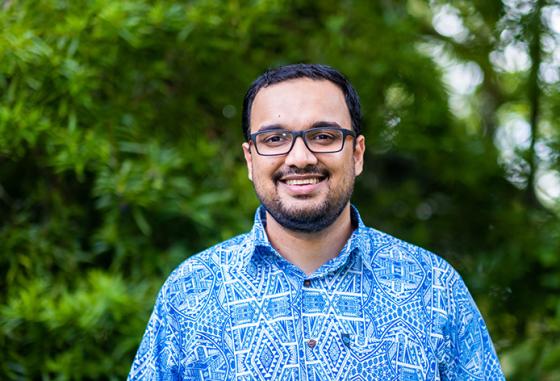
Speaking during an online media briefing from COP30 in Belem, Pacific Islands Forum Secretariat Director, Zarak Khan said the political will across the region is united and unwavering.
“The sentiment amongst our Pacific countries is that we are cautiously optimistic… because we believe as a Pacific region, through Australia, who has put in the bid, that we have a very strong case to make to host a Pacific COP in our region,” Khan said.
He highlighted that the push is grounded in lived experience.
“We are at the front lines of climate change. It’s a lived reality for us, whether you talk about tropical cyclones, landslides, droughts, many other climate-induced disasters—our people are facing that on a regular basis,” he said.
He added that hosting a COP “in our backyard” would not only reduce logistical challenges but also allow the Pacific to influence the agenda, set thematic priorities, and ensure outcomes are “tangible, substantive and meaningful for our people, not just another talk fest.”
A key priority for Pacific negotiators at COP30 is the formal inclusion of oceans on the COP agenda, which Khan described as long overdue.
“Oceans has been treated on the periphery,” he said.
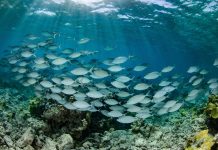
“Apart from food security, it delivers half of the world’s breathable oxygen and absorbs a huge amount of carbon emissions. The Pacific Ocean is the largest body of water in the world. It’s a missed opportunity not to have oceans as a formal COP agenda item, where we could bring stakeholders, financing, and a structured approach to ocean issues.”
Khan also stressed the Pacific’s regional unity and diplomatic coordination.
“We may be very small countries with small GDPs, but we have an equal vote in UNFCCC processes. When we come together, we’re a much stronger grouping,” he said.
Pacific negotiators are also building a coalition of willing countries from Africa, the Caribbean, Latin America, and Asia to support the elevation of oceans as a formal COP agenda item.
While the Pacific is strongly backing Australia, Khan emphasised that the ultimate decision rests with the Western European and Other States (WEOG) group, a key body within UNFCCC decision-making processes.
“We are very respectful of their role,” he said.
The path to a Pacific COP remains politically complex.
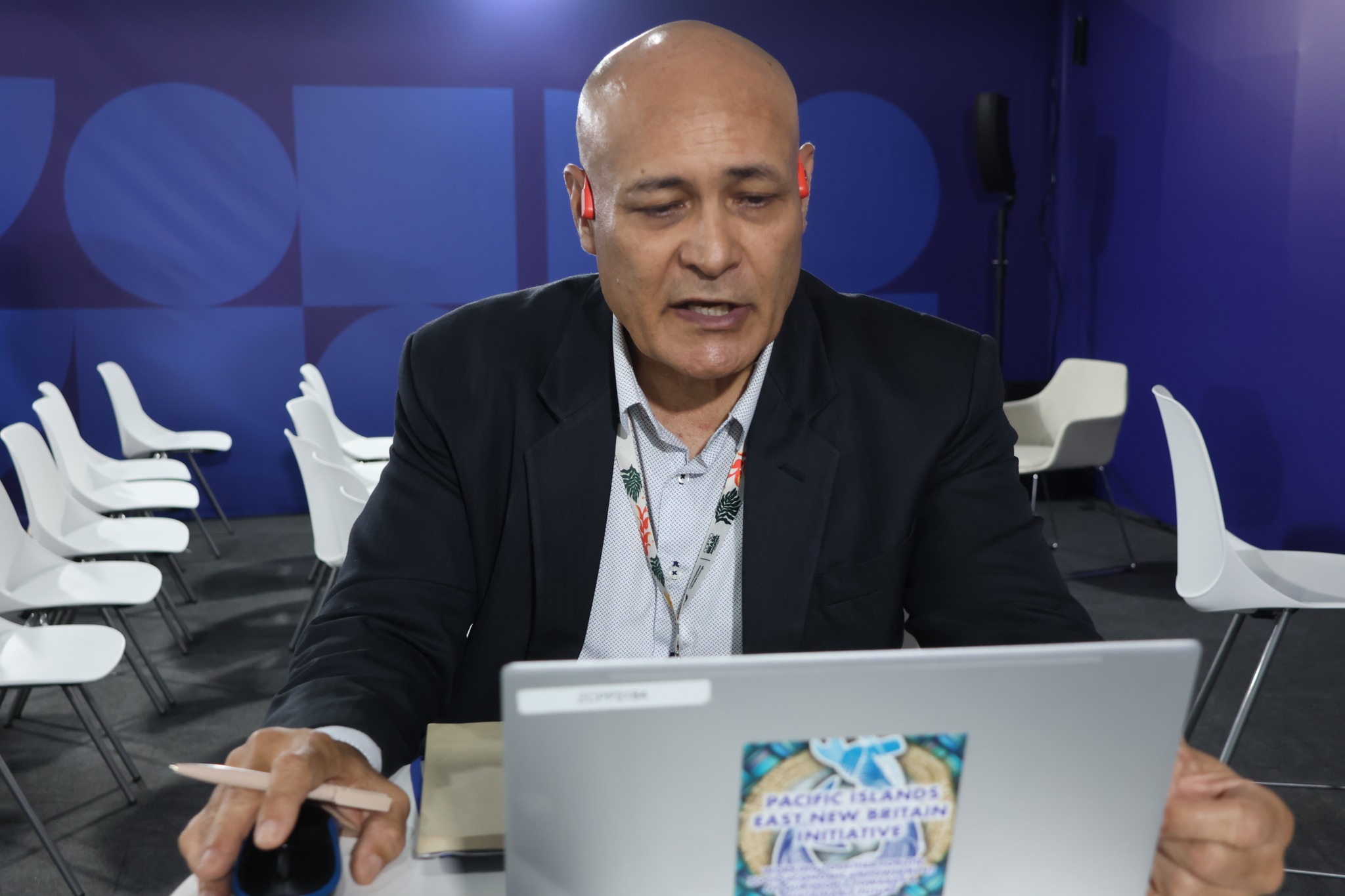
Forum Climate Finance & Resilience Team Leader Karlos Lee Moresi said negotiations between Australia and Turkey, the two contenders, are “very tough.”
“Turkey is adamant that they want a COP… they’re not giving up,” Moresi said.
Pacific countries are exploring whether they can be directly involved in these talks under the spirit of Talanoa.
“What we’re asking Australia is if there’s a potential for the Pacific to be brought into the negotiations between Australia and Turkey, so we can try and make some sort of compromise,” he said.
The leadership summit, traditionally held alongside COP, remains a sticking point. Pacific countries have pushed for it to be held together with COP to maintain visibility and credibility.
Moresi acknowledged that fallback scenarios are being considered but emphasised that “we don’t really want to get to that stage.”
For the Pacific, hosting COP31 is more than symbolism; it is a chance to reshape global climate priorities around the realities of frontline communities.
“Australia winning the bid to host COP31 in our region would be a major accomplishment,” Khan said.
“It would be the first time the Pacific hosts a COP, and we remain committed to supporting Australia so that we can secure this opportunity and bring oceans to the heart of climate negotiations.”