

The Western Pacific region is celebrating 25 years since being declared free of indigenous wild poliovirus, but the World Health Organisation (WHO) has warned countries not to become complacent as global health challenges continue to evolve.
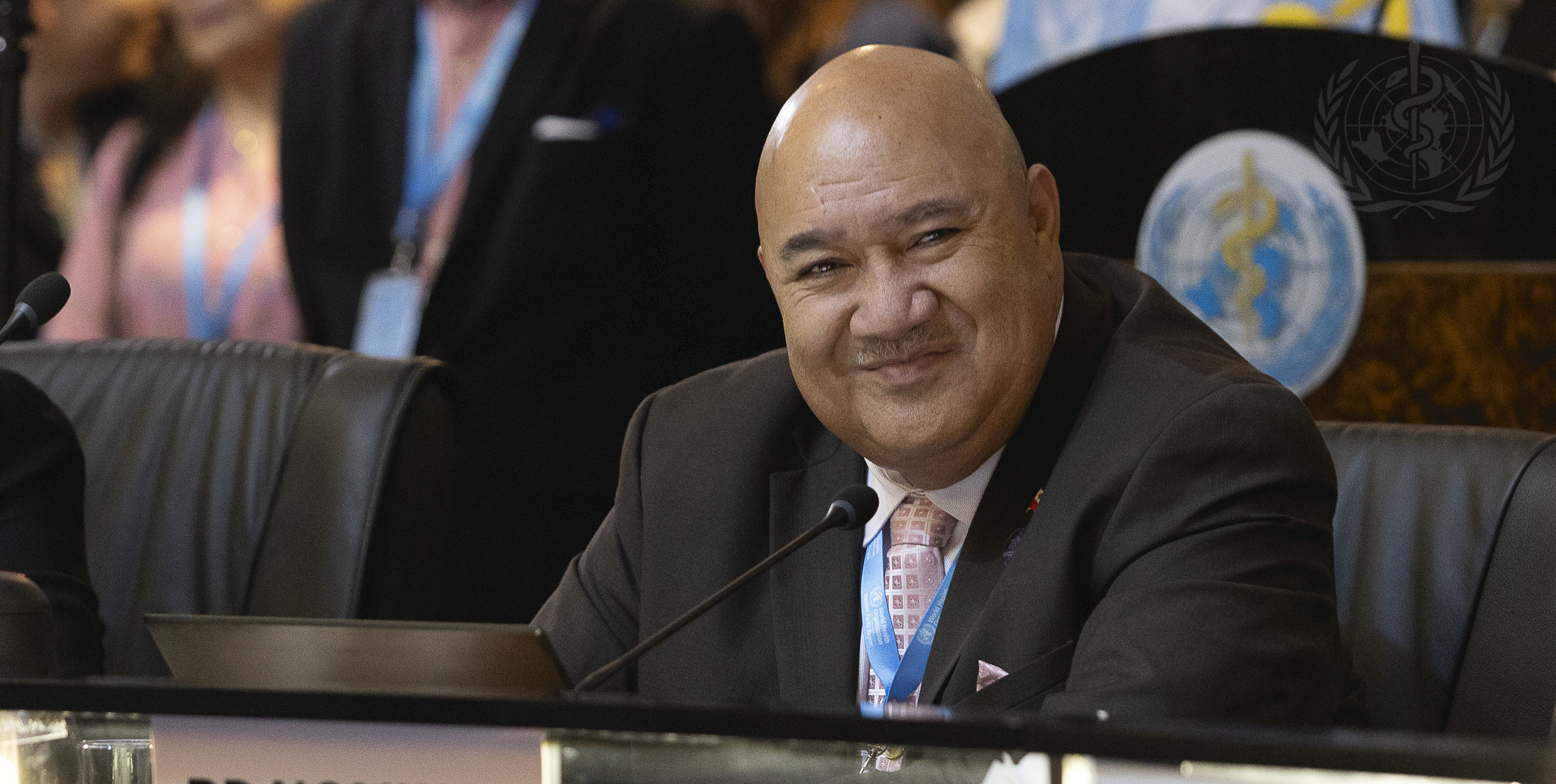
“It is my great pleasure to welcome you to the thirty-first meeting of the Regional Commission for the Certification (RCC) of Poliomyelitis Eradication in the Western Pacific.
“This year, we are especially delighted to greet our newest Member State, Indonesia,” said Dr Saia Ma’u Piukala, WHO Regional Director for the Western Pacific in Tokyo, congratulating Indonesia’s National Certification Committee for joining what he called the region’s “polio eradication family.”
He said the milestone reflected “decades of unwavering commitment by all Member States” working toward a shared goal to “eradicate poliomyelitis and protect every child from this devastating disease.”
The WHO Regional Director paid tribute to the tens of thousands of health workers, public health experts, and volunteers who delivered life-saving vaccines across the region, as well as governments and partners who provided long-term support.
“Our progress would not have been possible without the steadfast support of our partners and donors,” he said, naming Australia, New Zealand, Japan, the US Centres for Disease Control and Prevention (CDC), the European Commission, the World Bank, UNICEF, the Gates Foundation, GAVI, and Rotary International.
Dr Piukala gave special recognition to Dr Shigeru Omi, WHO Regional Director Emeritus, who led the office from 1999 to 2009 and declared the region polio-free in 2000.
“Today, Dr Omi continues to champion public health as Rotary’s Polio Eradication Ambassador and Chair of the Japan Anti-Tuberculosis Association,” he said.
While celebrating the region’s achievement, Dr Piukala cautioned against letting down its guard.
“Polio is entirely preventable – yet it resurfaces when vigilance falters,” he warned.
“We must continue to vaccinate every child, everywhere – not only against polio but against all vaccine-preventable diseases.”
He congratulated Indonesia on the recent closure of its cVDPV2 outbreak, confirmed by the third Polio Outbreak Response Assessment (OBRA-3), describing it as a testament to resilience and commitment.
“In a world facing permacrisis and fraying multilateralism, your collaboration shines as proof of what is possible when we unite for a noble cause,” Dr. Piukala said.
“As the saying goes: One day, polio will be just a memory. Until then, we vaccinate,” he said.