
Pacific ministers have endorsed the creation of a new regional mechanism to improve coordination and delivery of humanitarian aid across the region.
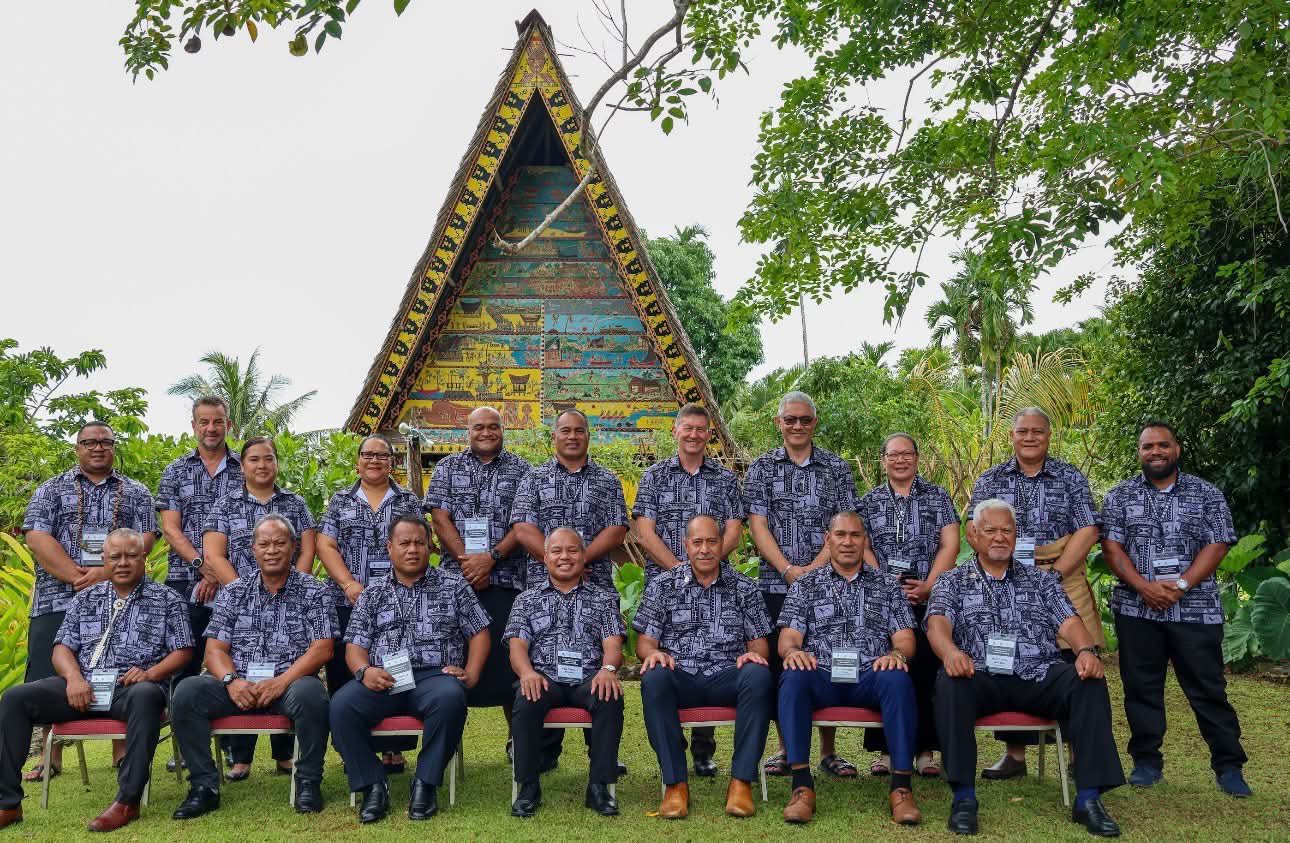
The new system, known as the Pacific Regional Emergency Coordination Mechanism (PResCoM), was approved at the 2nd Pacific Disaster Risk Management Ministers Meeting in Palau this week.
Designed as a virtual, “on-request” hub, PResCoM will mobilise international and regional assistance only when a Pacific Island country requests it — and in line with national laws and disaster management plans.
Under the proposal, the Pacific Community (SPC) will serve as the Regional Operations Coordinator, supported by a core group including Australia, New Zealand, the United Nations Office for the Coordination of Humanitarian Affairs (UNOCHA), and SPC itself.
“We want to improve coordination so assistance reaches affected communities quickly and effectively,” said Mosese Sikivou, SPC’s Disaster Risk Management consultant.
“Humanitarian action must save lives and protect dignity without creating new risks.”
The new mechanism will be implemented in stages, becoming fully operational by 2027 and reviewed in 2028.
While discussing PResCoM, several members stressed the need to respect sovereignty and fit-for-purpose aid. An example of Fiji once receiving broken beds during a disaster was given.
Cook Islands’ Assistant Minister to the Prime Minister, Sonny Williams drew on his country’s experience during the 2011 Christchurch earthquake in New Zealand to highlight the challenges of uncoordinated aid.
“One of the experiences we’ve had when the New Zealand Christchurch earthquake happened — that was a major disaster for New Zealand — and a lot of our countries looked to contribute,” Williams said.
“We gathered our builders and construction teams to go across to New Zealand, and also gathered a whole lot of clothes. But New Zealand said, no, we cannot accept it. The construction crews needed to be self-sustained; they couldn’t accommodate or feed them. You offer the help, but those cause more problems on the ground for Christchurch to take care of. And the clothes — they said they were too light for the colder climate.”
Sikivou said there would be a dedicated staffing plan and connectivity framework developed in consultation with member countries to guarantee readiness.
Samoa plans to include PResCoM in their National Disaster Management Plan (2025–2035), while Tonga’s Head of Delegation, Mafua Vaiutukakau Maka proposed regular regional training and simulation exercises to test the mechanism.
The Federated States of Micronesia (FSM) Head of delegation, Mee Kyeng A Kim-Lambert raised ongoing transport challenges between islands, saying these continue to hamper relief operations. American Samoa’s Head of Delegation, Lologa Olo said her country supported the mechanism “in principle,” as any participation must align with U.S. federal and territorial frameworks.
Tokelau’s Head of delegation, Paula Faiva welcomed the initiative’s inclusive design and urged that territories should be fully involved in future planning.
Tuvalu Minister, Ampelosa Tehulu asked how the mechanism would operate if one of the coordinating members were affected by a disaster. Mr Sikivou that contingency plans allowed role-sharing within the core group so other partners, such as Australia or New Zealand, can assume coordination duties.
Ministers also discussed how PResCoM could integrate with existing regional initiatives such as the Pacific Resilience Facility and the Pacific Humanitarian Warehousing Program to ensure that financing, supplies, and deployment work seamlessly during emergencies.
Solomon Islands Minister Polycarp Paea suggested renaming the initiative to better reflect its purpose—proposing “Oceania Humanitarian Emergency Assistance and Response Tool (OHEART)” as an alternative title.