


The Asian Development Bank (ADB) has revealed a new plan to boost disaster resilience across the Pacific, introducing financial tools and partnerships to help island nations better prepare for and recover from overlapping crises.
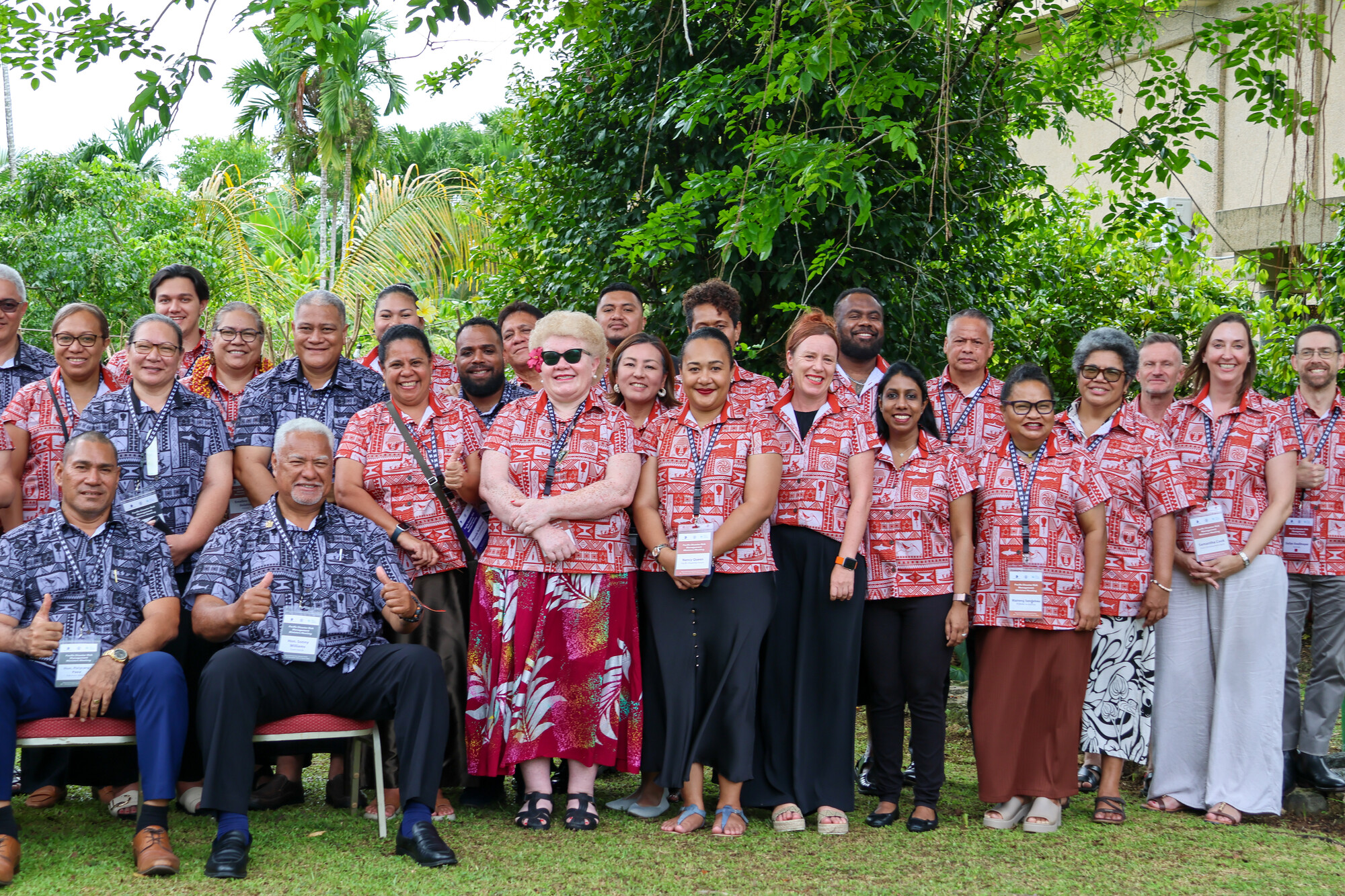
Speaking at the 2nd Pacific Disaster Risk Management Ministers Meeting in Palau, ADB representative Samantha Cook said Pacific nations often face back-to-back disasters that strike before recovery from the last is complete.
“While you’re still recovering from the last event, the next one happens,” Cook said, highlighting the region’s growing exposure to climate and natural hazards.
To address these challenges, ADB has developed a Disaster Risk Management Action Plan to reduce risks, improve preparedness, and ensure fast, reliable access to funding during crises
The Bank is increasing investments in resilient infrastructure, helping update building codes and standards in Palau and Vanuatu, and leading a regional study on how well these codes strengthen resilience.
In partnership with the Pacific Community (SPC), ADB is also conducting a Pacific Risk Assessment Study, which shows that while data on disaster risks is plentiful, it is often difficult for governments to access and apply.
The Bank’s Crisis Response Toolkit provides emergency financing and a Debt Deferral Clause that lets Pacific countries delay loan repayments for up to two years after a major disaster, allowing them to use funds for recovery.
Following consultations with Pacific ministries and agencies, ADB is designing a multi-donor trust fund, backed by Japan, to strengthen disaster risk finance.
Cook, however, asked Pacific nations to continue sharing their experiences and needs to shape the new framework.
“We need your input to ensure a more resilient and prosperous Pacific,” she said.
The two-day ministerial meeting which ends today brings together Pacific leaders, development partners, and regional organisations to strengthen cooperation on disaster preparedness, financing, and recovery efforts across the region.
Ministers reviewed progress made since the first meeting in 2022 in Nadi, Fiji and discussed new measures to align national disaster risk management efforts with the 2050 Strategy for the Blue Pacific Continent.
On Tuesday, the meeting endorsed the Pacific Humanitarian Response Coordination Mechanism (PResCoM), a new regional policy designed to improve coordination and speed up assistance when disasters strike. Other priorities include improving early warning systems, water security, and humanitarian warehousing across the islands.