


A new study has found that unsafe water and poor sanitation are key drivers of acute watery diarrhea (AWD) in Fiji, with nearly one in five cases linked to inadequate water and sanitation infrastructure.
The findings highlighted the urgent need for improved access to clean water and sanitation services, especially in vulnerable and underserved communities across the country.
The study, titled Patterns of Acute Watery Diarrhea in Fiji: Understanding the Implications for Water and Sanitation Services, was conducted by researchers Suliasi Mekerusa Batikawai, Nicholas J. Osborne, Phu Do, Toga Vosataki, Vimal Deo, and Simon A. Reid.
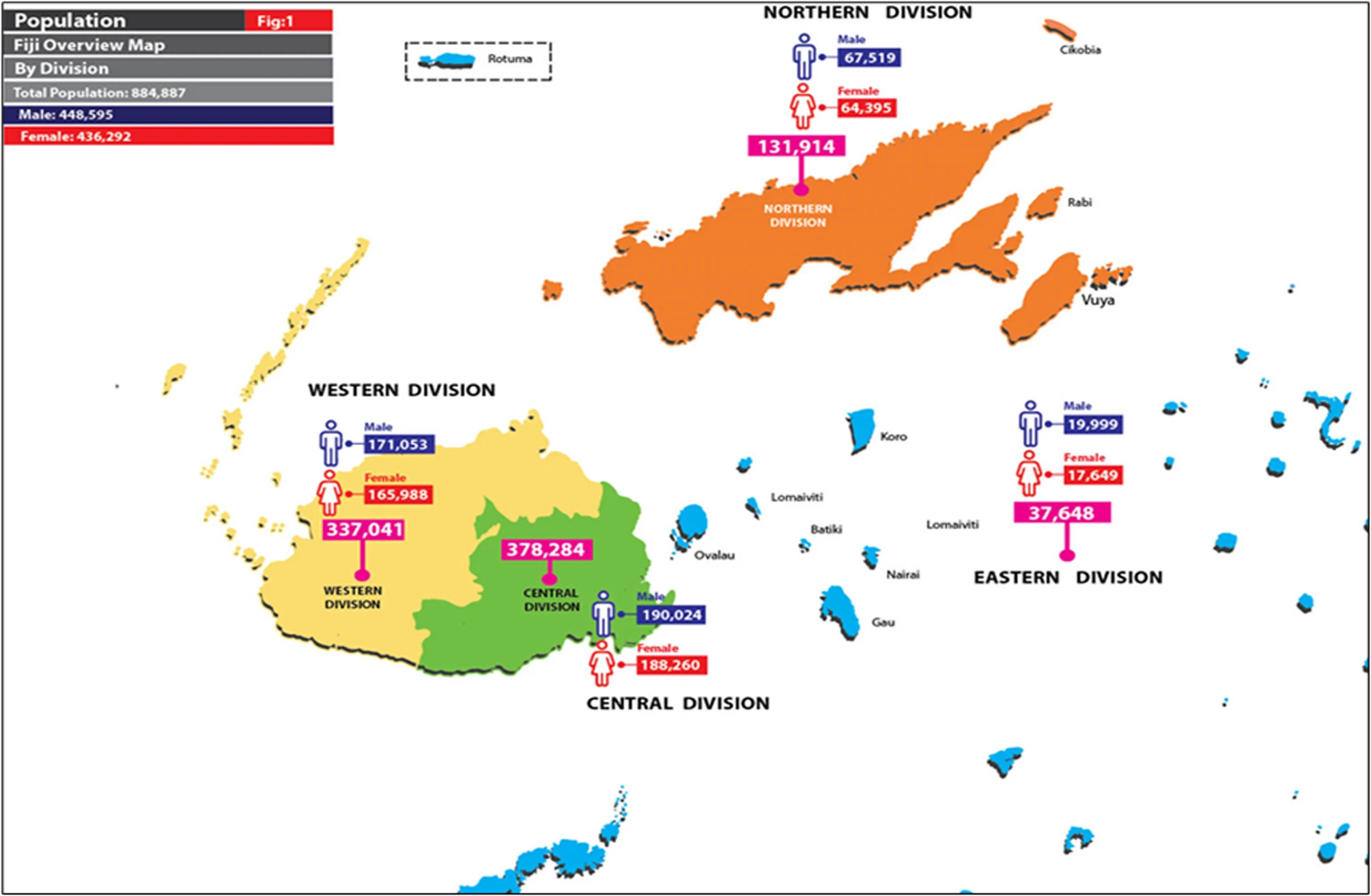
It was published this year in BMC Public Health (2025) and analysed AWD patterns in Fiji’s Central and Western Divisions between April 2016 and December 2021.
Researchers examined over five years of national surveillance data to understand how environmental and infrastructural factors influence the spread of diarrheal diseases.
The study found that children under five years old experienced the highest rates of AWD throughout the study period, followed by older age groups who also exhibited similar seasonal patterns, particularly from February to April each year.
“Children remain the most affected by acute watery diarrhea, and this is consistent with global trends showing that diarrheal disease continues to be a leading cause of illness and death among young children in developing and middle-income countries,” the study noted.
During the COVID-19 pandemic, Fiji saw a temporary drop in AWD cases as travel restrictions and lockdowns reduced disease transmission. However, once restrictions were lifted, AWD rates rebounded sharply, revealing the persistent vulnerabilities in the country’s water and sanitation systems.
The study found that 17.46 percent of all AWD cases were attributed to unimproved water sources, while 17.80 percent were due to unimproved sanitation facilities. It also highlighted that households using unsafe or intermittently supplied water were over three times more likely to experience AWD (relative risk 3.42; 95 percent confidence interval: 2.66–4.38), while those with inadequate sanitation faced more than seven times the risk (relative risk 7.56; 95 percent confidence interval: 4.21–13.58).
“Advancing access to safely managed water and sanitation is essential to mitigate AWD,” the authors said.
“Investments in water and sanitation infrastructure, particularly in underserved and high-risk areas, should be prioritised.”
The research identified clear geographical hotspots for AWD in districts such as Rakiraki, Rewa, Nasigatoka, and Bau, where inadequate infrastructure, combined with frequent flooding and limited drainage, worsens the spread of diarrheal diseases.
The authors also observed a strong correlation between AWD cases in children and adults, suggesting that households often share the same exposure risks through contaminated water or poor hygiene practices.
“This link between child and adult cases reflects common environmental exposures rather than isolated age-specific risks,” they said.
The study reinforced the importance of Fiji’s ongoing efforts to expand access to safely managed water and sanitation services under national development and health strategies. However, it warned that progress remains uneven, especially in rural and peri-urban areas where intermittent water supply, old infrastructure, and flooding continue to undermine health outcomes.
Researchers called for more targeted investments to strengthen Fiji’s water, sanitation, and hygiene (WASH) infrastructure, along with community-level education and resilience programmes.
“Safely managed water and sanitation services provided strong protection against AWD, while intermittent or unsafe water supplies significantly increased risk,” the study said.
It also urged the government and regional partners to consider the impact of climate change, as rising temperatures and more frequent floods increase the risk of contamination and disease outbreaks.
“Continued investment in safely managed WASH services, alongside further research, remains critical to closing remaining knowledge and service gaps,” the authors concluded. “Strengthening water and sanitation systems is not only a public health priority but also a key strategy for climate resilience and sustainable development.”
The findings come as Pacific Island countries face growing challenges from climate change, population growth, and infrastructure constraints that threaten to reverse public health gains.
For Fiji, the study serves as a timely reminder that ensuring safe water and sanitation access for all remains central to protecting lives and building a healthier, more resilient nation.