

The Republic of the Marshall Islands(RMI) has expressed deep frustration and disappointment following the International Maritime Organisation’s (IMO) failure to move forward with a decisive vote on a global shipping carbon tax — a delay reportedly influenced by pressure from major powers, including the United States.
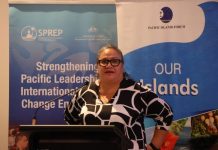
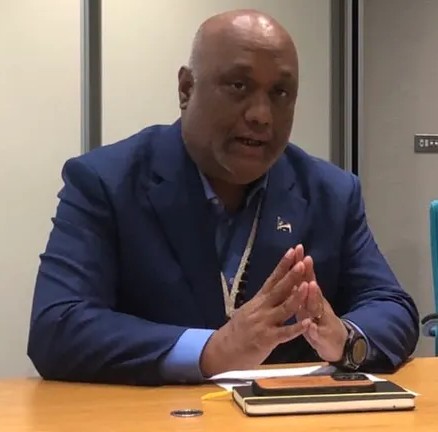
In a passionate and direct statement posted to LinkedIn, Albon Ishoda, Marshall Islands Ambassador and a leading voice in international climate diplomacy, condemned the international community’s inaction.
“I hate to say, I told you so… but I TOLD YOU SO,” Ishoda wrote.
“Don’t pretend that the Pacific was voiceless; we were ignored, bullied, threatened, cornered, sidelined and harassed. But we stood tall.”
At the heart of the issue is the growing frustration among Pacific Island nations, who have long been pushing for a carbon levy on international shipping a move they argue is vital to both reduce global emissions and generate funds for climate adaptation.
The Marshall Islands, alongside allies like the Solomon Islands and Seychelles, has been at the forefront of the proposal, emphasising that they are among the least responsible for yet most impacted by climate change.
The delay of the IMO’s decision by another year, Ishoda stressed, is not a bureaucratic technicality, but a life-threatening setback.
“A year delay is a year of more devastation and displacement for our communities that have nothing to do with this catastrophe” he said.
“We don’t have the luxury of time. The IMO owe our people an explanation!”
Behind closed doors, diplomatic sources have suggested that intense lobbying by the United States and other major economies played a significant role in stalling progress, amid concerns over potential impacts on global trade costs and inflation. However, small island states argue that economic concerns must not come at the expense of their survival.
The Pacific Island nations have consistently argued that without urgent measures, entire communities face displacement due to rising sea levels, increasingly intense storms, and coastal erosion.
The Marshall Islands itself, with an average elevation of just two meters above sea level, is on the frontline of the climate crisis.
Observers say the IMO’s credibility as a climate actor is now at stake. The Marshall Islands and its allies are expected to continue rallying international support ahead of the next IMO environmental committee meeting in 2026 but the tone has shifted.
There is now a growing sense of disillusionment and outrage among climate-vulnerable states, who say promises of support from wealthy nations continue to ring hollow.
“We gave the hardest miles and took the hardest hit,” Ishoda said.