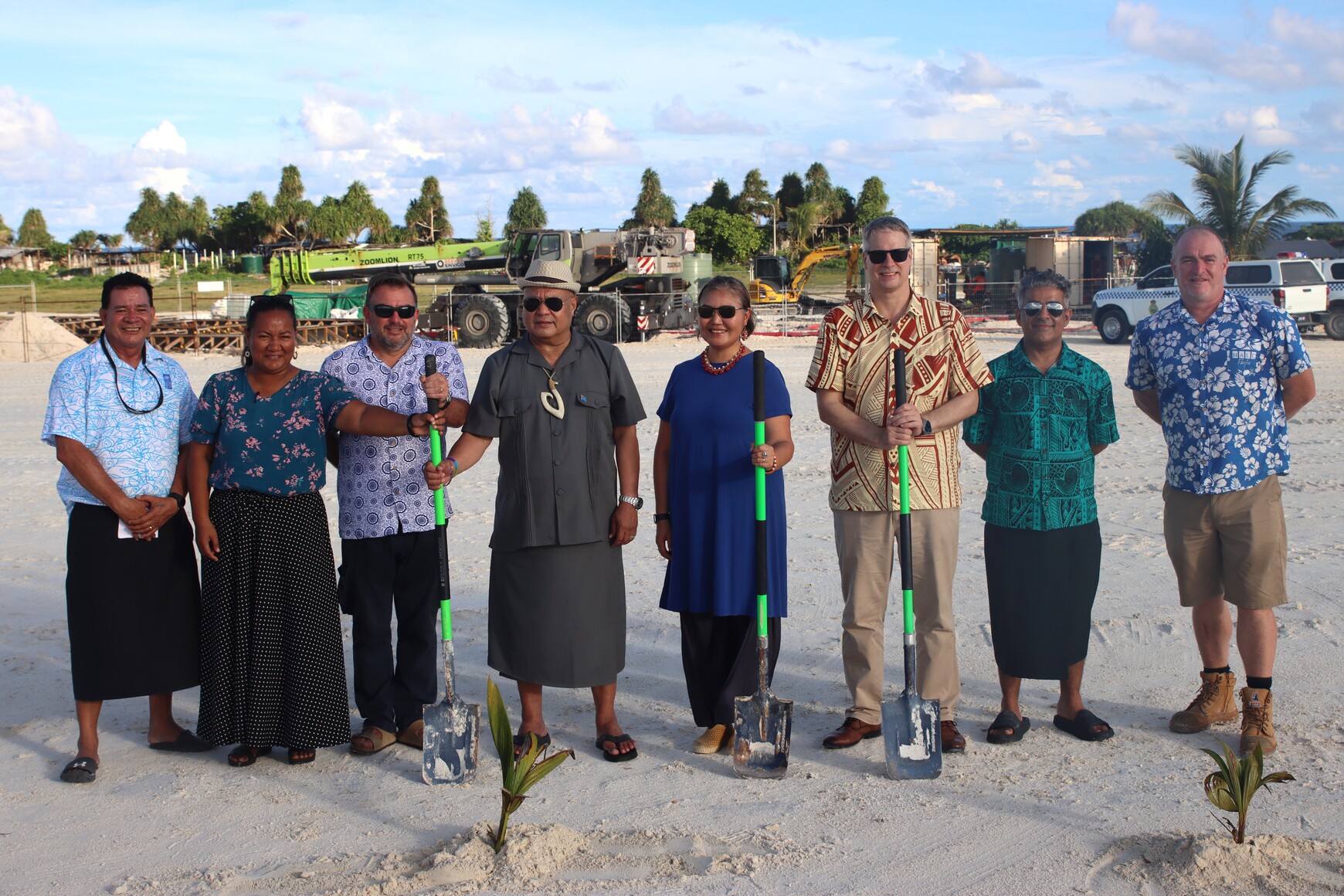
The people and Government of Tuvalu have marked a defining moment in their nation’s journey toward climate resilience with the completion of 8 hectares of land reclaimed under Phase 2/TCAP 1A of the Tuvalu Coastal Adaptation Project (TCAP).
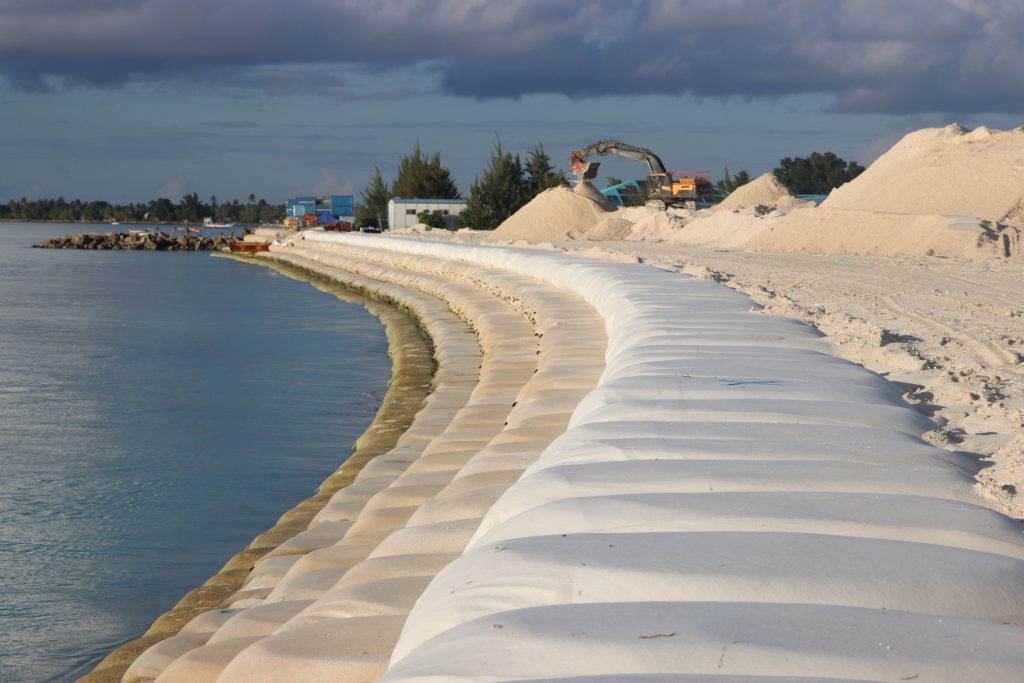
The US$17.5 million project, funded by the Governments of Australia, New Zealand, and the United States and implemented by the UN Development Programme (UNDP), has created eight hectares of newly reclaimed and elevated land on Fogafale—the largest and most populated of Funafuti’s islets in Tuvalu. The reclaimed land is designed to remain above projected sea levels beyond 2100.
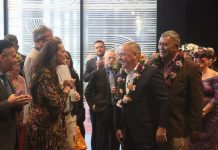
Speaking at the completion ceremony, Prime Minister Feleti Teo highlighted Tuvalu’s determination to protect its people and way of life in the face of rising seas.
“TCAP 1A represents a powerful example of leadership and partnership in action. The new land will provide safe ground for homes, schools, and essential infrastructure, guided by a community-designed land use plan that places people and ecosystems at the centre of development.”
UNDP Pacific Office Resident Representative, Munkhtuya Altangerel, commended the people and Government of Tuvalu for their vision and perseverance. “This milestone stands as a testament to Tuvalu’s determination to chart its own path toward climate resilience and sustainable development. Where we stand today represents hope translated into infrastructure, policy turned into protection, and partnership turned into progress.”
Australian High Commissioner to Tuvalu, David Charlton, said, “We have a regional responsibility. We are here to do better for Tuvaluans and have invested more than $38 million in projects to date, not only for this generation but also for those to follow.”
Representing the New Zealand Ministry of Foreign Affairs and Trade, Belinda Malaefou added, “We aim to build on the great work that has already been done on the ground. As reflected in this project, through strong partnerships and a shared approach we can deliver great impact for Tuvalu and its people.”
UN Resident Coordinator for the Pacific, Dirk Wagener, reassured: “Tuvalu’s success in mobilising resources for TCAP is a vital milestone, but it is only the beginning. So much more is needed, but it demonstrates what can be achieved when finance reaches where it is really needed most. This collaboration between the UN, and our partners is not just desirable but crucial—it is what true multilateralism looks like.”
The project also strengthens Tuvalu’s national systems for land management, coastal planning, and policy development—ensuring that the country’s adaptation journey remains grounded in national ownership and long-term sustainability.
Planning is already underway for TCAP 1B, which will extend coastal protection along the northern shoreline of Fogafale and, most importantly, incorporate lessons from earlier phases to further strengthen the quality and effectiveness of the work.
UNDP with the support from development partners reaffirmed its commitment to work alongside Tuvalu and its partners to ensure that every investment made today contributes to a secure, sustainable, and self-sufficient Tuvalu tomorrow.