


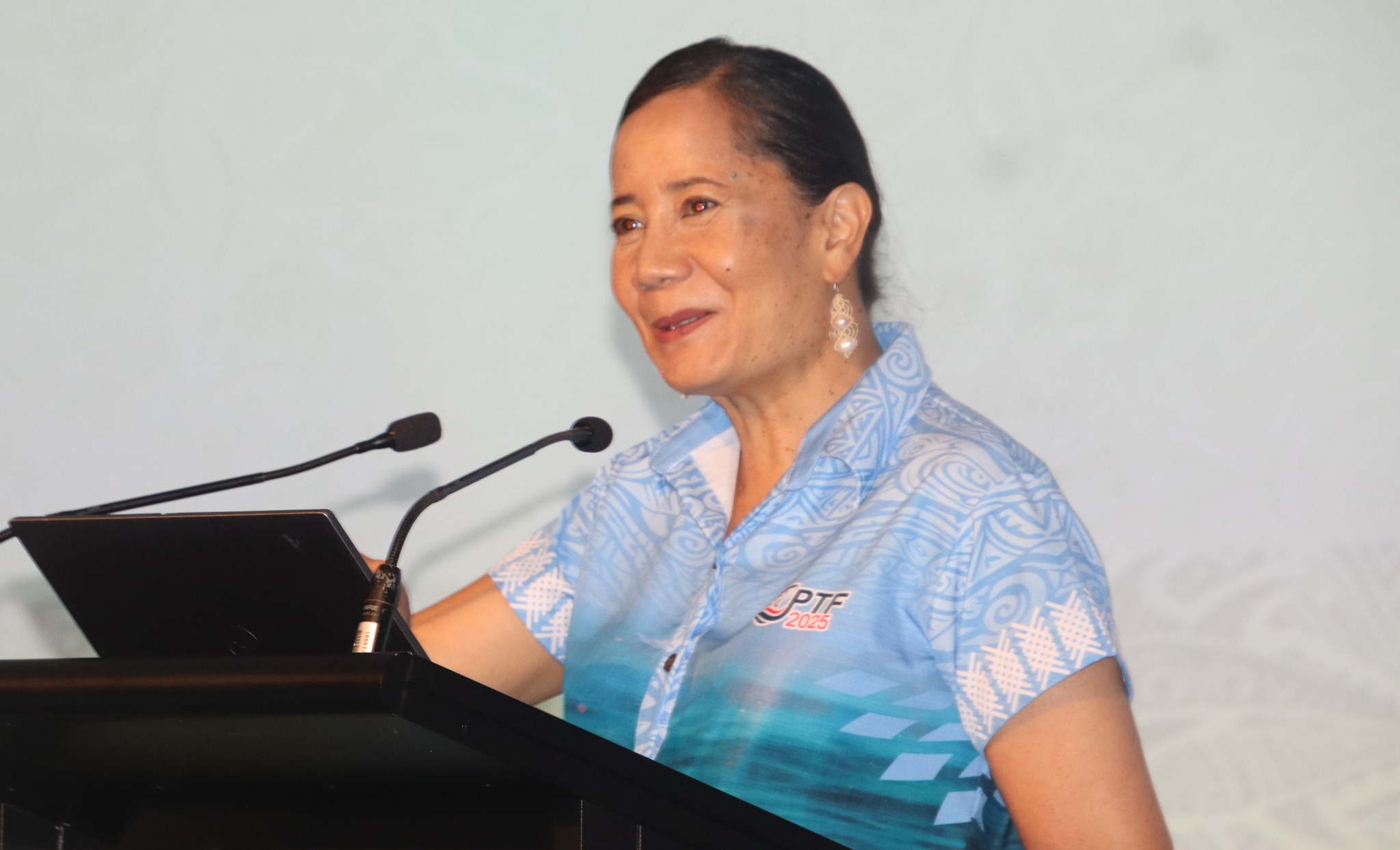
The two-day Pacific Tuna Forum, held in Denarau, Nadi, Fiji, wrapped up Wednesday with powerful closing remarks from Dr Manumatavai Tupou-Roosen, Chairperson of the Pacific Tuna Forum 2025.
The Acting Deputy Vice-Chancellor of the University of the South Pacific’s Regional Campuses & Global Engagements in her address emphasised the critical themes of sustainability, technological innovation, and the social responsibility that underpin the future of the Pacific’s vital tuna industry.
Balancing Economic Gains and Sustainability
Dr Tupou-Roosen reminded participants of the ongoing challenge faced by the Pacific region: how to balance the pursuit of economic benefits derived from tuna fisheries with the imperative of environmental sustainability.
She highlighted that the work being undertaken seeks to strike this delicate balance, ensuring that Pacific nations can harness the industry’s opportunities without compromising the health of their oceans.
Initiatives such as Papua New Guinea’s Special Economic Zone and the Republic of the Marshall Islands’ Pacific Island Tuna project exemplify Pacific-led efforts to align fisheries development with sustainable trade and development goals. Understanding tariff impacts and aligning subsidies with sustainability and trade aspirations remain vital to this mission.
Harnessing Technology and Innovation
The forum showcased the rapid transformation of the tuna industry through technology and innovation. Cutting-edge tools—ranging from advanced food safety testing, by-product utilisation, interconnected fishing systems, to satellite and drone monitoring—are revolutionizing how tuna is harvested, processed, and traced.
The deployment of ocean observation systems and the new Pacific fisheries research vessel exemplify how science and technology support not only efficiency and market access but also bolster climate resilience, food security, and environmental stewardship.
Turning By-products into Opportunities
A key theme discussed was the shift towards full utilisation of tuna catches.
The Pacific Island Tuna Ventures Programme and other value-adding initiatives are turning what was once waste into high-value products, creating new employment opportunities and fostering regional innovation. These efforts demonstrate a forward-looking approach that maximizes resource use while fostering regional and global partnerships that are essential for scaling sustainable ventures.
Social and Human Dimensions
While technological advancements are crucial, Dr Tupou-Roosen underscored the importance of prioritizing the well-being of people—the industry’s most valuable asset.
She emphasised the need for rigorous attention to worker welfare, social accountability, and certification standards, alongside safeguarding tuna resources. The safety and health of observers and all industry personnel must remain at the forefront of Pacific fisheries management, recognising that social sustainability is integral to the industry’s long-term resilience.
A Call to Action: Our People, Our Future
The closing remarks resonated with a unifying message: the work of the Pacific tuna industry is fundamentally about “our people.” It is about passing on the guardianship of the ocean and its resources to future generations, ensuring Pacific communities take ownership of their future through solutions rooted in their cultural and environmental context.
Dr Tupou-Roosen emphasised that the Pacific is resilient, strong, and innovative. When the region works together, there is nothing it cannot achieve. The forum’s rich discussions and collaboration reaffirmed that collective effort and shared vision are the keys to sustainable and inclusive growth.
Final Reflection
The last two days served as a testament to the power of collaboration and shared purpose. As Hon. Wong reminded everyone, “we can do this.” The ultimate motivation lies in the core reason for all these efforts: Our People, Our Fisheries, Our Future. Moving forward, the Pacific must continue to innovate, collaborate, and prioritise its people—ensuring that the Pacific’s rich oceanic heritage benefits its communities now and for generations to come.